One of my favorite personal rewards from launching the Witchcraft Fundamentals course is the Google Group, where all of us are exchanging insights, asking tough questions, trying to answer tough questions, and getting to know each other. To give you a sampling of what that e-mail list-serv group is like, I’m sharing something I wrote on there in one of the threads started by a practitioner of both Eastern and Western metaphysics.
The question presented is, in short, how do you reconcile Eastern elemental-directional correspondences with Western elemental-directional correspondences?
By the way, scroll all the way down for the PDF downloads of this post, which you can then print out and tuck into whatever reference manual for your metaphysical studies you have going on.
IN THIS WESTERN WITCHCRAFT COURSE, you’ll learn fairly soon that there are different systems of elemental-directional correspondences even within the umbrella of Western occult philosophy, and we cover three of them in this course:
This is a supplemental lecture in Module 11 of the Witchcraft Fundamentals course, titled “The Magic Chain.” If you’re working through the course in the order outlined by the syllabus, then watching this video lecture would come after having watched the video lecture for Chapter XI in the Doctrinal Basis workbook.
However, this supplemental lecture is being provided for free public access.
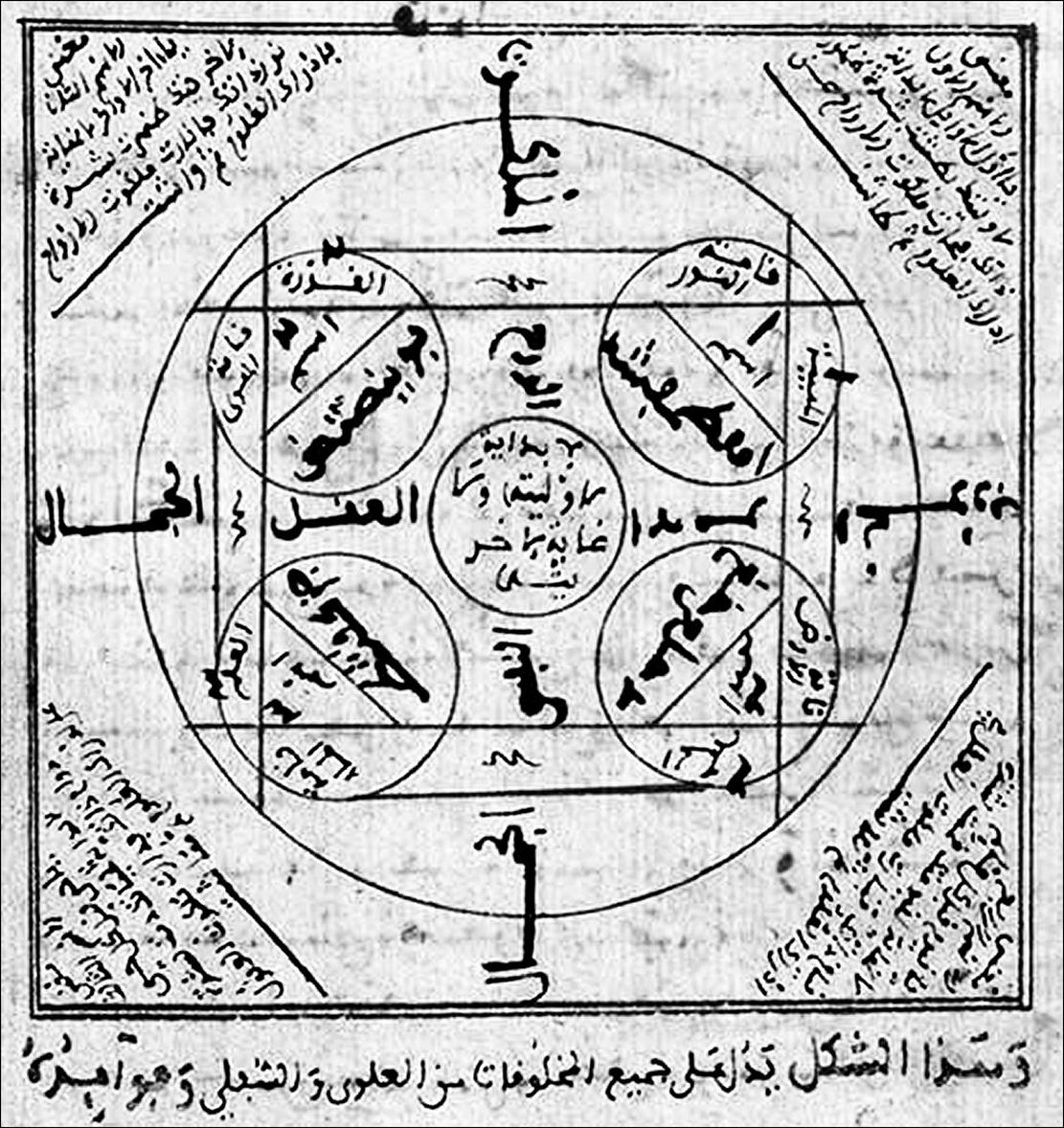
A “Seal to Defeat All Foes”? Oh, snap. That sounds badass. We definitely need to give this one a try, right?
You’ll find my write-up of this in one of the back-end appendices of Key of Solomon and Collected Studies on Spirit Conjure. It’s a free e-book download here, and if after checking out the pdf version you realize you want it in physical hard copy paperback, that link will give you instructions on how to order one.
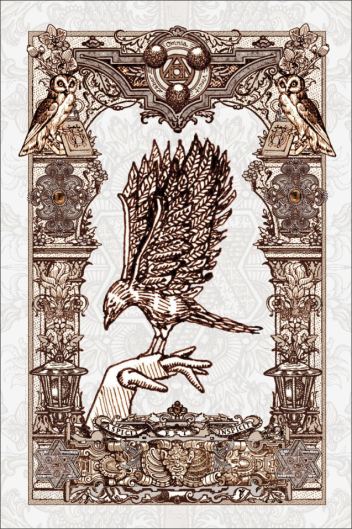
Although the First Edition black and white and second Vitruvian Edition sepia-toned Spirit Keeper’s Tarot decks are now out of print (forever, as they were both limited edition decks), for those interested, you can download a 30-card version of a black and white Vitruvian. These are the Majors only, with only The Initiate card as Key 0, plus the 4 Aces and the 4 Archangels (tarot Kings).
Solomonic magic is pretty much the foundation of occultism, modern witchcraft, and ceremonial magic west of India and China, encompassing Europe, the Middle East, and now the Americas.
What you will discover within the pages of this book I’m sharing, you’re going to find to be the keystones of Persian magic and witchcraft, the magical practices of Muslim-influenced Southeast Asian countries, the Golden Dawn (though many of their correspondences differ), hoodoo, Wicca, and maybe even the traditions you’ve inherited and have been wondering where those traditions might have come from.
If you’re serious about your occult studies, then I hope you’ll add this text to your library and read through it cover to cover at least once.
From my vantage point, this book is essential reading, even if for no other reason than to take it apart to realize once and for all this is not for you. That, too, is invaluable. Whether you want to strengthen the connection to these roots or you want to sever ties with the roots altogether and grow anew, either choice calls for an examination of this text.
The images from historically significant grimoires, the essence of the ritual instructions provided, and the methodology behind the crafting of seals, devising the magical scripts, and even how to prepare for ritual can help to inspire your own creativity, offering sparks and revelations for how to do Craft your way.
From the Tractatis de Nigromatia (16th century), A grimoire on necromancy
If you’re a total beginner, then please do not try out any of these rituals or operations on your own. Plus, the instructions are pretty clear that most of these conjurations should never be performed solitary.
At the beginner and intermediate level, a light read of this text is going to be the best introduction to ceremonial magic, witchcraft, and occultism west of the Indies you can get.
This should be your orientation manual into the Craft and the beginner steps for realizing your Great Work. Levi even says as much, which is why in a course I was putting together focused on Levi, I ended up having to back-track and start first with the Key of Solomon.
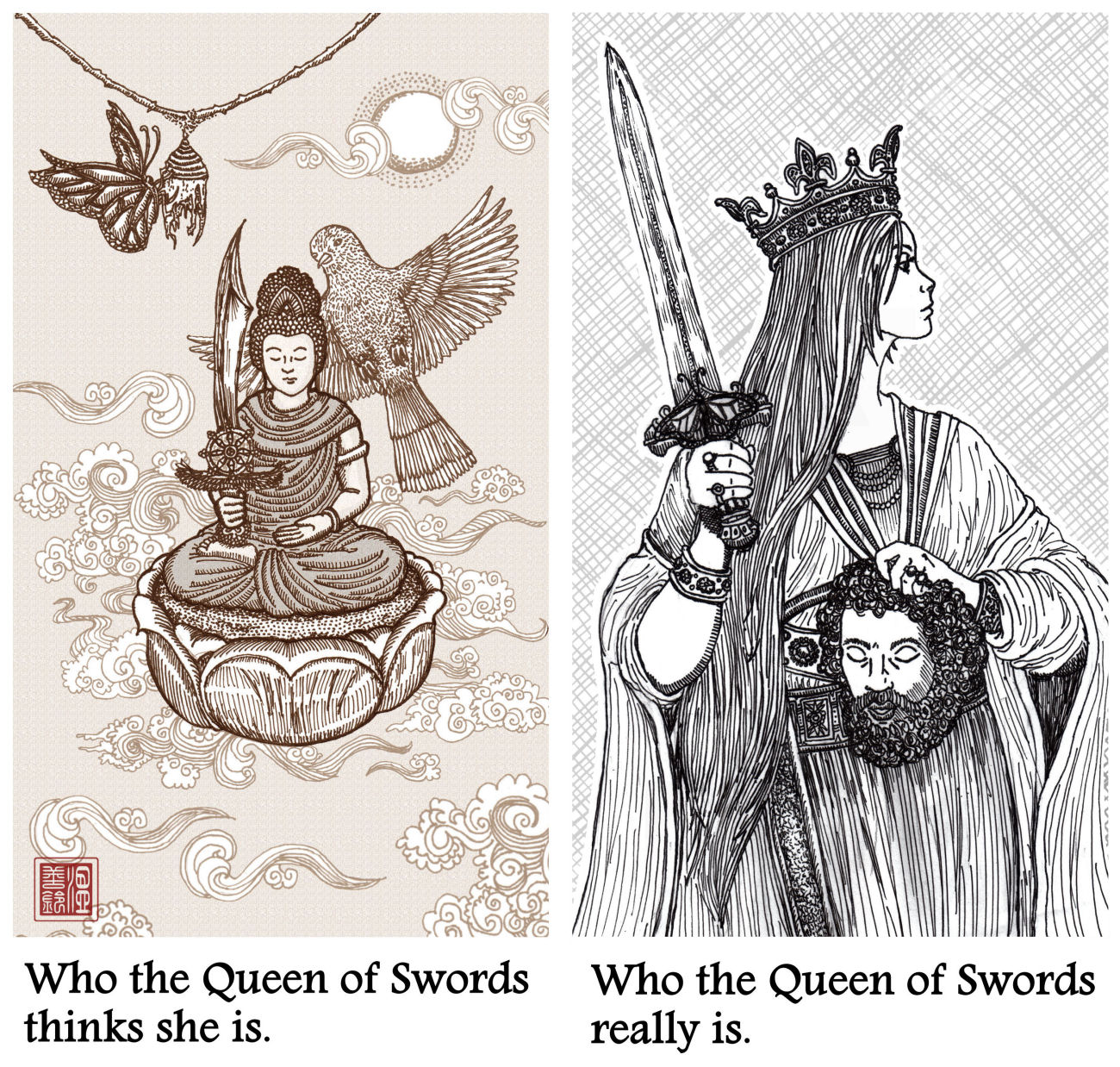
I ended up drawing two versions and hope you’ll help me out by voting on which one you prefer. I’m torn between the two because they go in pretty different directions, not just in the art, but especially in terms of interpreting the Queen of Swords. You’ll see what I mean.
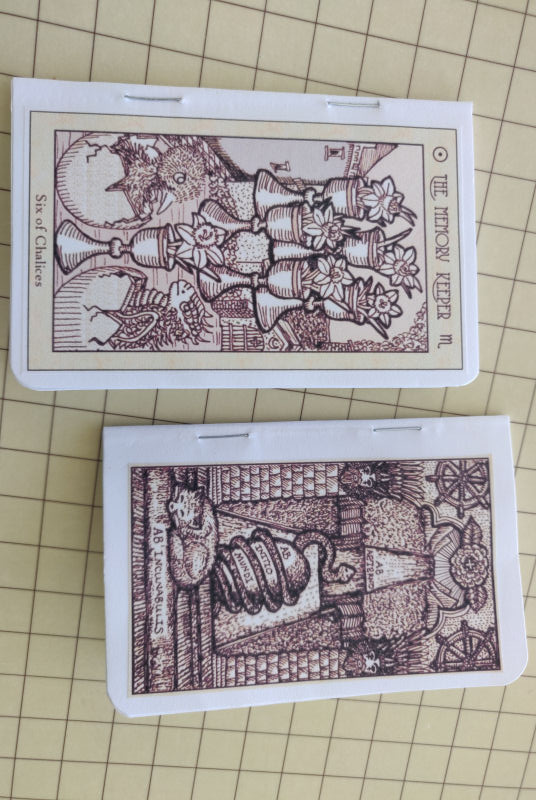
This is a 2.75″ x 4.25″ saddle-stitch notebook you can easily make yourself from 3 sheets of loose print paper, 1 sheet of adhesive sticker paper for printable labels (these are typically free from UPS or FedEx), scissors, a stapler, and a corner rounder is optional.
I like this DIY pocket notebook because it’s easy to make at home, doesn’t require any specialty tools or expensive materials, and most important of all, fits in the back pocket of your jeans or easily with a pen in your jacket pocket. That makes it really convenient to travel with.
The short form card meanings compiled from both the First Edition LWB and the Vitruvian Edition LWB are provided in the back of the Tarot Readings Diary for your convenience of reference.






 benebell wen