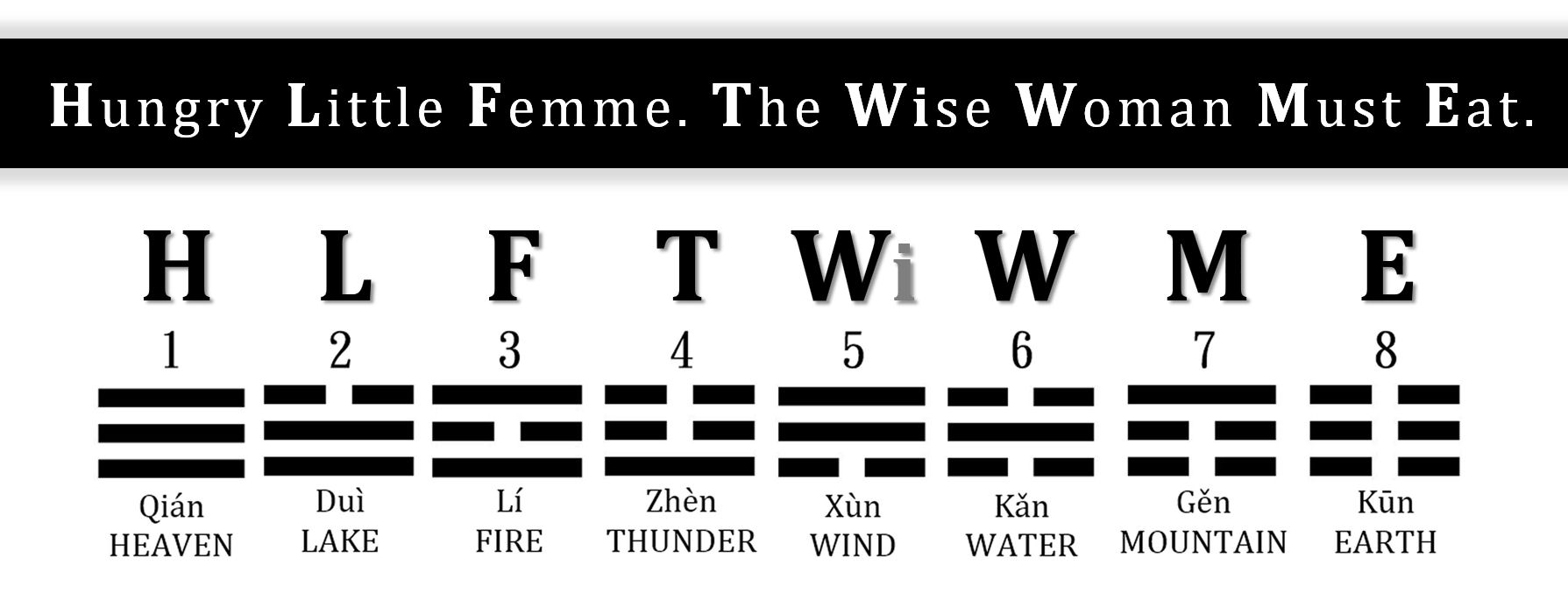
This video lecture course is an overview of the eight trigrams (八卦, Bā Guà). It is part of a companion course series leading up to the release of my third book, I Ching, The Oracle.
My goofy mnemonic for remembering the order of the trigrams
Timestamps provided in the video description box (you’ll have to watch on the YouTube platform). Apologies, the editing and audio are a bit choppy. The timing of the slides and voiceover narration are off in a few places.
Let’s make it unambiguously clear that nothing herein is science or evidence-based medicine.
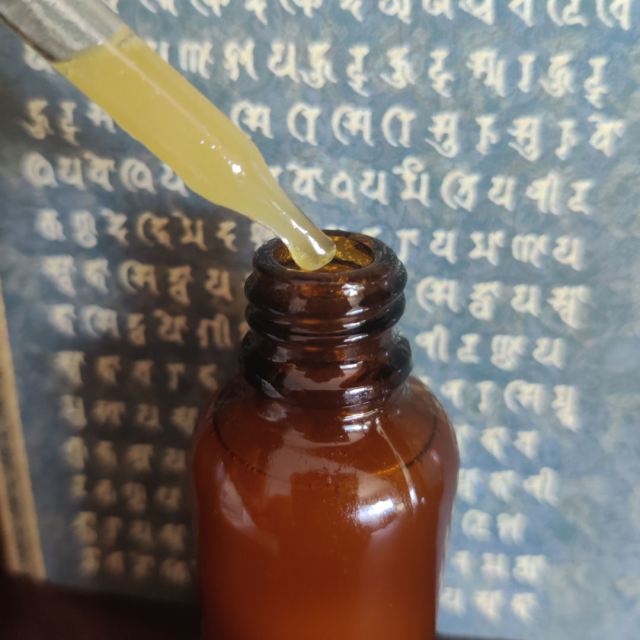
For the last three years, J and I have been routinely applying this multi-purpose antiviral treatment (in addition to getting vaccinated, boosting up the wazoo, and making prudent judgment calls with regard to masking). I sincerely believe this treatment oil has kept us Covid-free throughout the pandemic.
Oh, and not to mention, it’s great for my scalp, controlling dandruff, and promoting hair growth. Just a totally random incidental benefit. =)
You can convert the basic recipe into a mouth wash. Historically a myrrh mouth rinse was used after tooth extractions because the myrrh oil kills bacteria and sanitizes.
The base recipe also makes for a fantastic cologne. I get so many compliments about the scent when I wear this as a cologne.
Continuing from what I said in the video chat, if this is something you seriously want to do, then start by getting that three-ring binder. Though I think organizing it into eleven sections is sufficient, I noticed you can’t buy packs of just eleven binder dividers. They come in sets of 12, so that’s fine. Having a final “Miscellany” tab is always a good idea anyway.
I wanted to put this out there in hopes that someone googling for this info will find my post. So yes, topically it’s a bit outside my beaten path here on this blog.
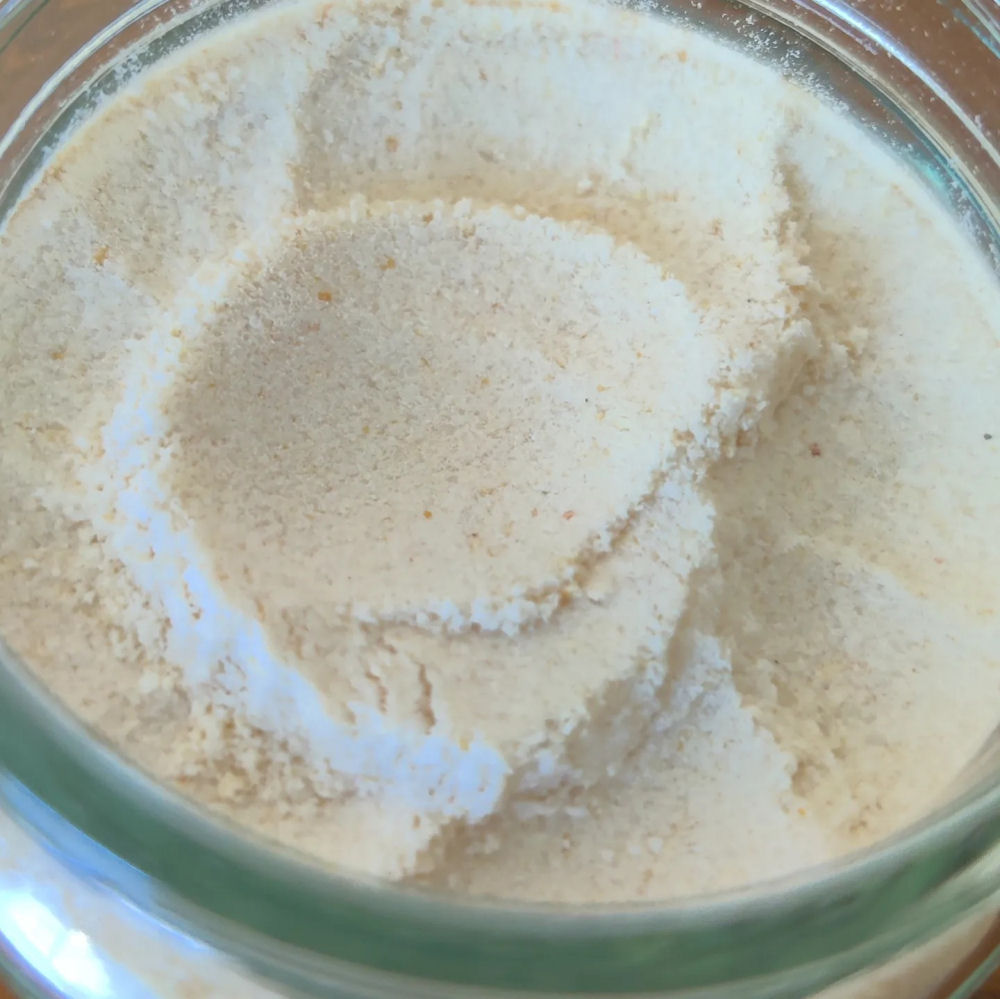
I made my own citrus peel powder + rice grains powder face treatment to deal with hyperpigmentation and texture concerns, applied it twice daily for 100 consecutive days, and am now sharing my thoughts.
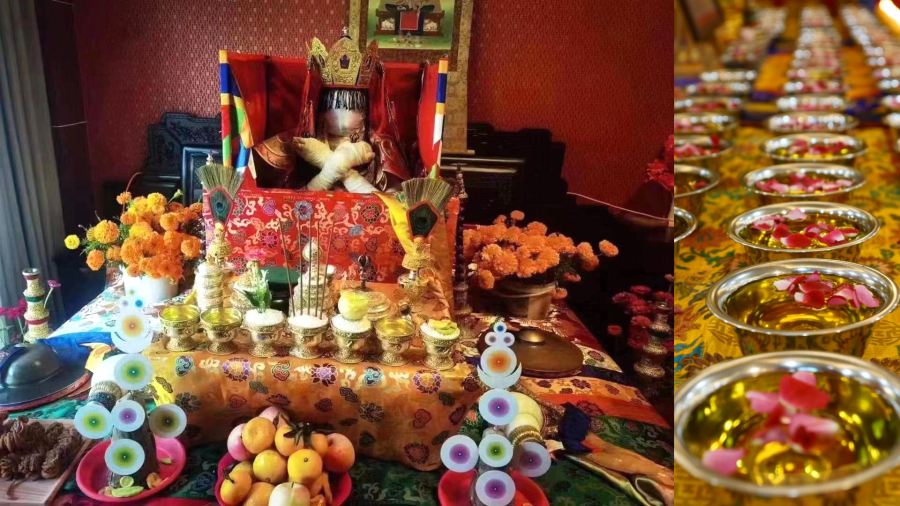
The above video commentary is a short introduction to esoteric Buddhism, covering the distinctions between sutra-based Buddhism and tantric Buddhism. As noted at the end of the video, this write-up will give instructions to the “homework assignments,” practica[I don’t know why I’m such a nerd and called these “homework assignments”] intended to give you a firsthand experience with Buddhist folk magic.
Timestamp 11:39 Addendum: Oops, I cut out too much of the raw video chat and omitted the part where I talked about where I was going with this. =) So if you were left confused, it’s not you, it’s me. =) Continuing from what I am saying at this timestamp, if tantric esoteric Buddhist cultivation is characterized as a “shortcut” to the destination but one that’s far more dangerous and riskier terrain, then endeavoring to take this route all but requires a highly skilled guide to help you navigate the tougher terrain. It’s not a route you’d want to go at on your own or, worse yet, with a guide falsely self-proclaimed as a lama or spiritual leader who will lead you astray, or who isn’t equipped to help you deal with mara. Thus, the framing of the question shouldn’t be “is it open or closed,” but rather as “what, really, would be the most assured path for you?” Can you fully trust someone else’s claim of endowing you with the empowerment you’re seeking?
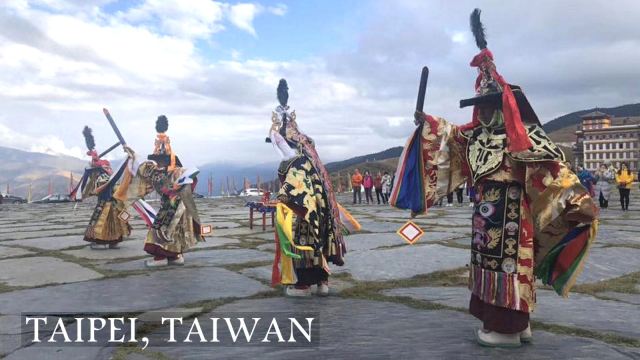
Taipei Katok Ten Directions Buddhist Association
As a beginner-level introduction, these practices are intended to be general enough for all, so you’ll be encouraged to piecemeal neutral elements often found in esoteric Buddhism and graft it onto your preexisting practice, and most importantly of all, your local environment.
Taipei Katok Ten Directions Buddhist Association
Just like esoteric Buddhism takes on the indigenous practices and magical systems from the land it touches, be that Bön folk magic syncretized with Buddhism in Tibet, Taoist mysticism with Buddhism in China, Shinto in Japan, or tantric Buddhism melded with Tai and Hmong shamanic practices in Southeast Asia, you’ll be working with features of esoteric Buddhism syncretized with what’s native to you.
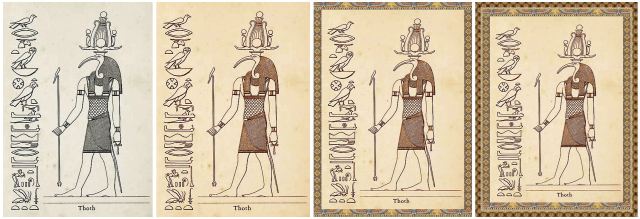
These twelve images are sourced from an 1870 publication, Bilder-Atlas – Ikonographische Encyklopädie, a multi-volume compendium of reference books in German. The images are formatted to print at 5.0” x 7.0”, but the resolution isn’t the sharpest. Nonetheless, they still printed okay.
Oops! Please ignore the typo.
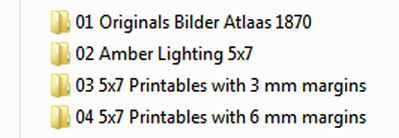
After you unzip the file, you’ll see four folders for four different versions of the twelve images. I’ve included the originals, a version where I converted the images to a warmer sepia tone, then two versions with borders for printing.
I’m sharing the files here for those who are fascinated by these sorts of finds.
If you want about 3 mm of patterned border to show and you’re using makeplayingcards.com to print your deck, then go with the 6 mm margin files.
Cory Thomas Hutcheson, author of New World Witchery: A Trove of North American Folk Magic (2021), has brought together an incredible assembly of folk practitioners from across North America– Mexico, the United States, and Canada.
You will get an own voices insider perspective of Appalachian mountain magic, brujeria, curanderismo, Detroit hoodoo, Florida swamp magic, French Canadian sorcellerie, Irish American folk magic, Italian American magic, Melungeon folk magic, New England cunning craft, New Orleans voodoo, Ozark folk magic, Pennsylvania powwow and braucherei, Slavic American folk magic, Southern conjure, and more.
North America stretches five thousand miles across, nestled in between two great oceans, and within that space, frozen tundra, glaciers, pine forests, deciduous rainforests, blooming deserts, prairies, and towering groves of redwood.
This is the homeland of hundreds of Indigenous nations for millennia, a land ravaged with invasions and displacements, of dark legacies but also a hope for and collective effort to forge a brighter future.
Click on the above image file to download and use freely (but reverently, please). The image file is in 400 dpi and should print okay at 9.5 inches x 9.5 inches. So don’t go much larger than that, but you can go smaller. Actually 11″ x 11″ should still be fine.
All the extra border is to allow for bleed margins.
I’ll start by saying it’s gimmicky to claim a list of “the most auspicious” hexagrams in the I Ching. The Book of Changes doesn’t work like that. Not to mention as the sequential lines move through the Changes, line 1 up to line 6, different points of that movement of change can indicate different turns and degrees of auspices.
And so while I Ching practitioners wouldn’t necessarily say there are “good” vs. “bad” hexagrams, in moments of fun, sure, everybody’s got their own shortlist of favorite hexagrams.








 benebell wen