
The following is from a keynote presentation I did at the Northwest Tarot Symposium in 2022, the materials now made freely and publicly available.
The subject of this presentation was one more often seen as taboo: using the tarot to do health readings.
Spiritual health and its interaction with physical, psychological, and social wellness had been gaining serious attention in medical literature. So I wanted to consider those perspectives in a discussion on spiritual health and tarot.
What this post provides is a summary of the workshop, the PowerPoint presentation slides I used during the keynote that you can now download and walk through, and all the handouts and resources that were provided to the attendees.
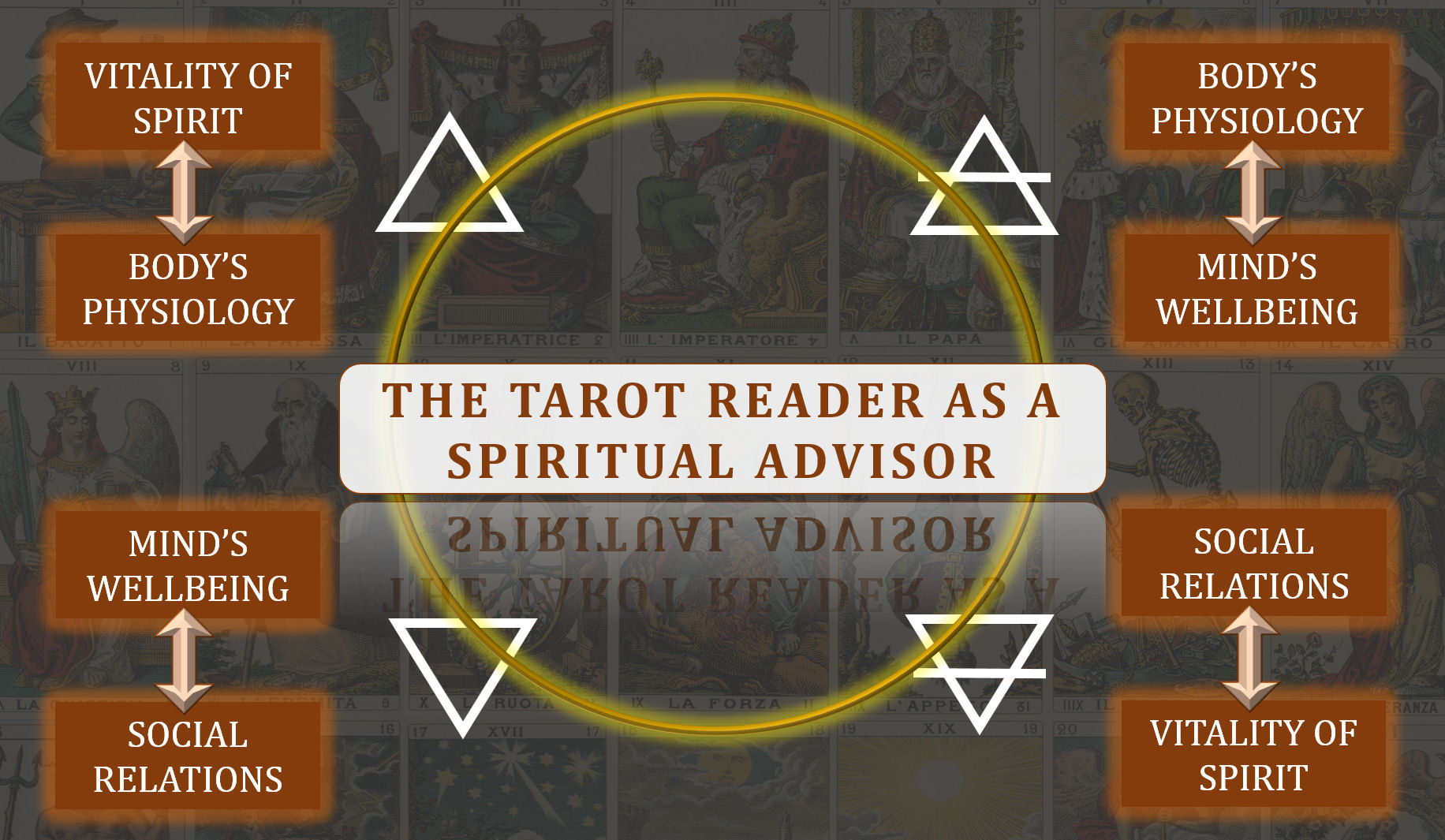
During the 2022 keynote and workshop, we talked about how, if and when doing a tarot reading on a health question, the tarot reader’s main focus is on the querent’s spiritual health.
Thus you assume the role of a spiritual advisor. Spiritual health, however, is at the center of other aspects of personal health– physical health, emotional health, psychological health, and social well-being (health in terms of safety, security, and sense of belonging).
So our job is to see the holistic picture of the querent’s health, and understand how the different facets of health connect for that querent.
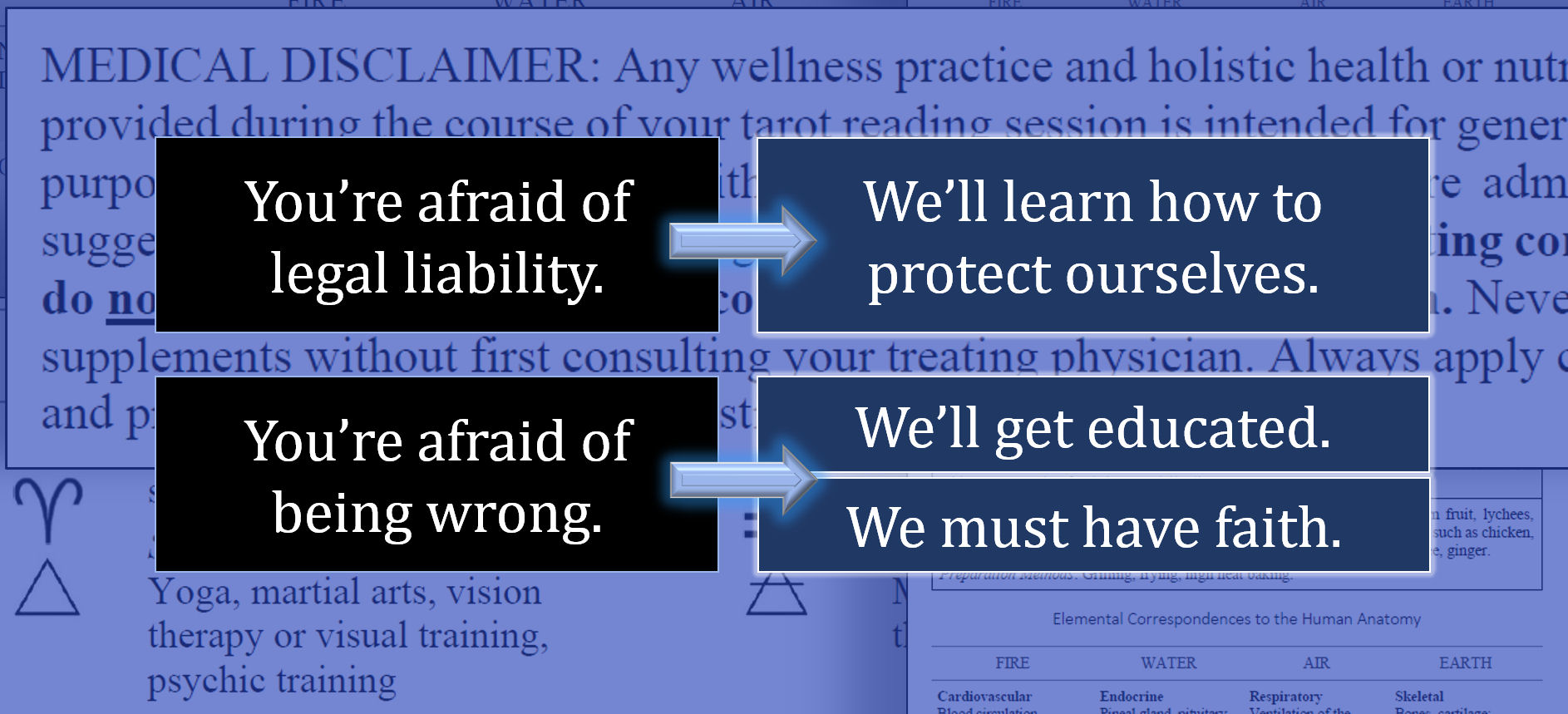
Two fears cause tarot readers to refrain from doing health readings with the cards. The first is fear of legal liability. What if you’re accused of the unauthorized or unlicensed practice of medicine? We’ll talk about ethics and disclaimers to learn how we can best protect ourselves from liability.
The second fear is that of being wrong. For some comparative context, I had noted that statistically, 1 in 20 U.S. adult patients are misdiagnosed by medical doctors, with diagnostic errors becoming a serious issue in the health care industry.
So tarot readers are far from being the only professionals to “get it wrong.”
And if you really think about it, we’re getting the difficult cases that the rational-minded can’t manage to solve, so if our success rate is even lower, is that so bad? At least we’re trying our best to help. (We just need to make sure we do so responsibly and with great care.)
There are ways to overcome this second fear, namely education, advancing our knowledge of health science (and also faith healing modalities), and of course experience. The other prong to overcoming this fear is faith– not just faith in transcendental experiences and thus our readings becoming channels of divinity, but also faith in ourselves, in our own competency.
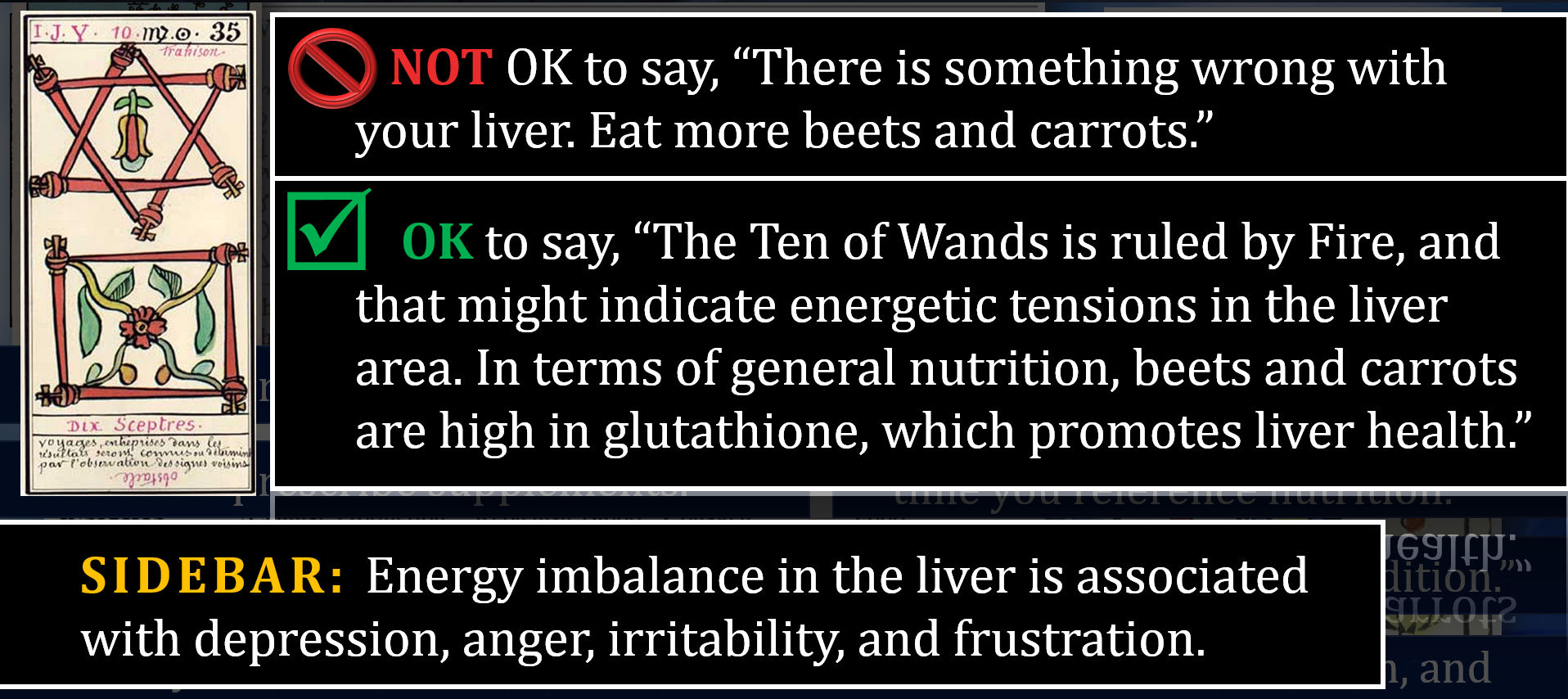
The PDF (and DOCX) handouts you’ll download, which are linked below, will give you the legal language for the disclaimers.
During the presentation, we also talked about how to word your health readings. You want to make sure your wording never risks being interpreted as giving a diagnosis of a condition or affliction. Talking about energy, knots of tension, qi life force, reiki, and referencing the energy as established metaphysical correspondences for tarot cards is an additional layer of protection from being misinterpreted as giving a diagnosis.
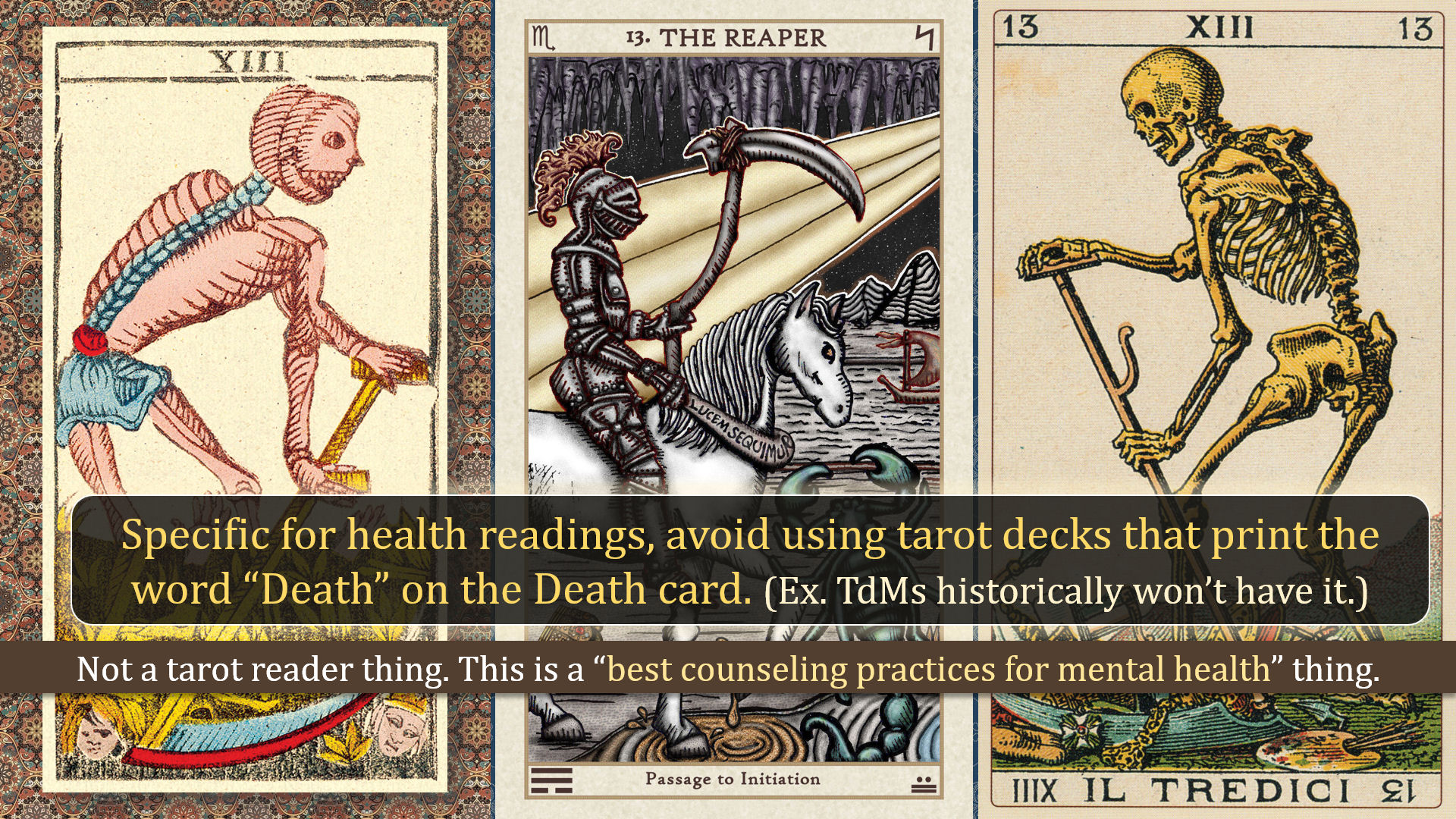
I made a recommendation during our discussion, though of course you’ll want to discern for yourself whether this is something you’ll be adopting:
I noted that specific to health readings, opt for a deck where the Death card does not print the word “Death” on it. E.g., most historical TdM decks won’t have it; likewise, many modern decks have an alternate title instead.
My reasoning for this is not tarot-related. The reason is “best counseling practices for mental health” related.
Experts in the field recommend that therapists who are treating or counseling terminally ill patients or those who are facing issues of death and dying not actually utter the word “death” unless the patient has voluntarily said the word themselves at least 3 times– only then would the treating therapist see that as okay to use the word “death.” And even then, it’s still discouraged unless and only in the exception where coming to terms with that word in particular is part of the healing journey.
There are countless psychological reasons for this, but to keep it succinct, it boils down to how triggering the word “death” (and its equivalent in many languages) are to society. Almost every culture has a multitude of euphemisms for death that they’ll use just to avoid having to actually utter that word.
A deck without “Death” written on Key 13 is just a preventive measure, in the event the querent is hyper-sensitive to the word. Otherwise the fears that rise up if the querent sees the word “death” in the course of the health reading could cause irreparable harm.
Purist tarot readers will often get up in arms about anyone who even dares to mention omitting certain cards from the deck when reading for others. I’ll say typically I’m one of them. However, when it comes to doing a tarot reading in the capacity of a spiritual healer for a querent dealing with a serious illness, the reasons for taking out the Death card or any other card that triggers confrontation with mortality become too compelling: it’s for legitimate evidence-based mental health reasons.
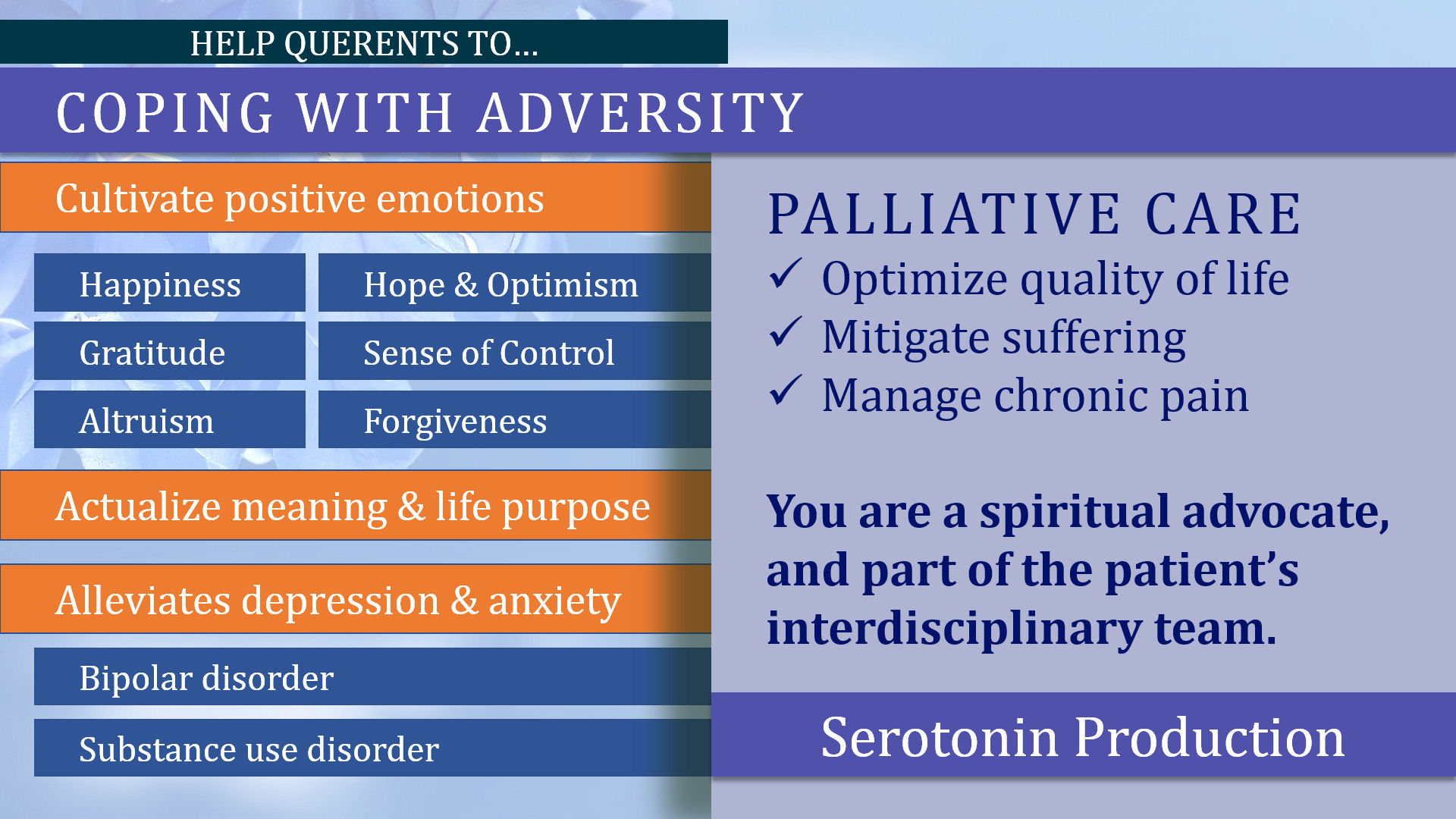
The tarot healer as a spiritual advisor has four main objectives, and you’ll want to keep these four objectives top of mind at all times:
- Coping with Adversity
- Cultivating Positive Emotions
- Actualizing Meaning & Life Purpose
- Alleviating Depression & Anxiety
So, for instance, no matter what the querent is asking, in addition to answering the question presented, you also want to think about how you can give that querent tools for coping with adversity.
I’m inspired by techniques applied in palliative care, where an interdisciplinary team of different professionals come together to help a terminally ill patient (or one dealing with a severe chronic illness) optimize quality of life, mitigate suffering, and manage chronic pain. As a spiritual advocate, you’ll figure out what your role is and how you can contribute to those goals through faith and faith healing.
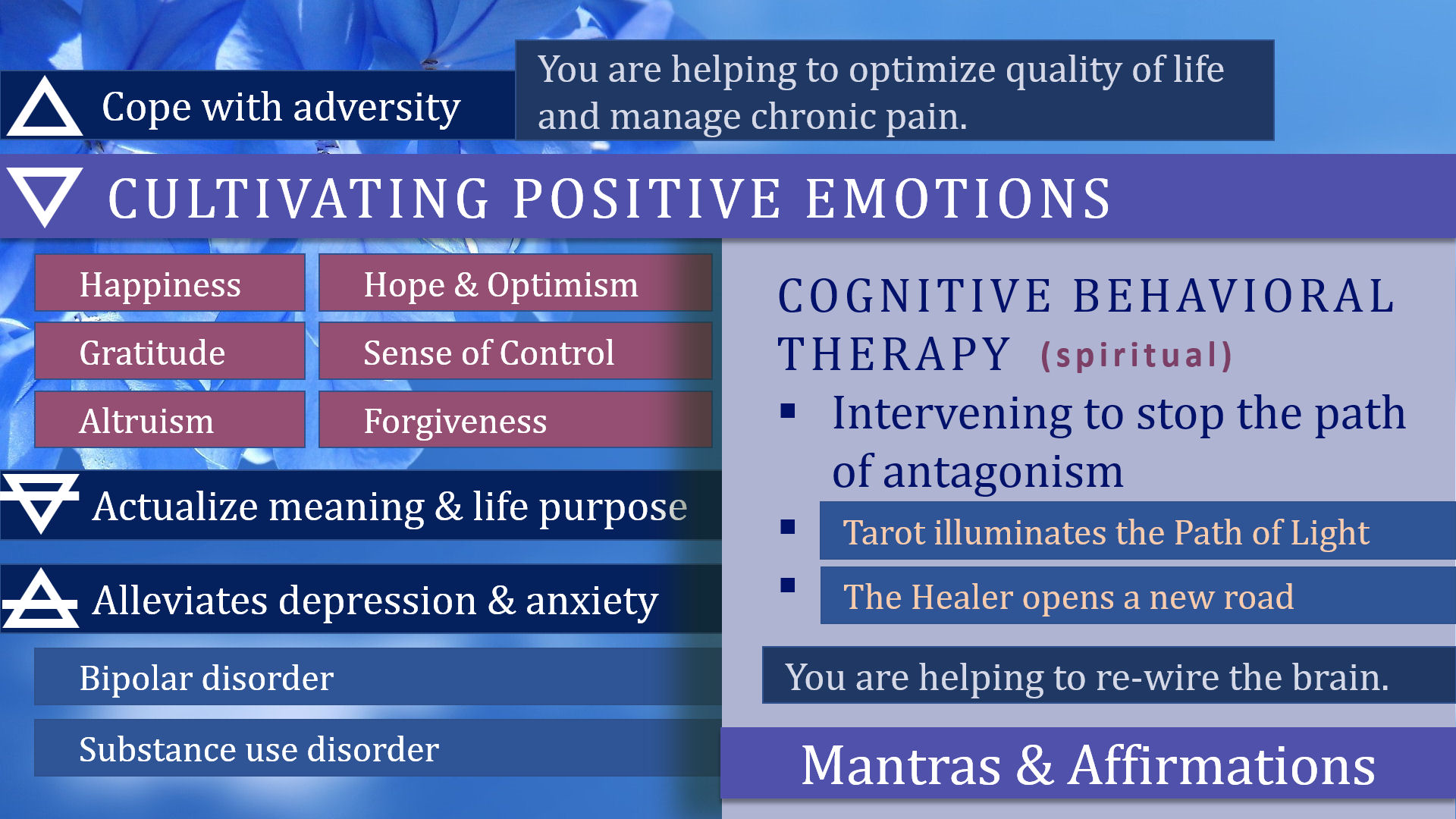
Another one of your core objectives as a spiritual advisor and tarot healer is helping your querents cultivate positive emotions. We take inspiration from cognitive behavioral therapy where we identify negative or self-destructive behavioral patterns and then “re-wire” or “re-program” ourselves to promote positive and productive behavioral patterns.
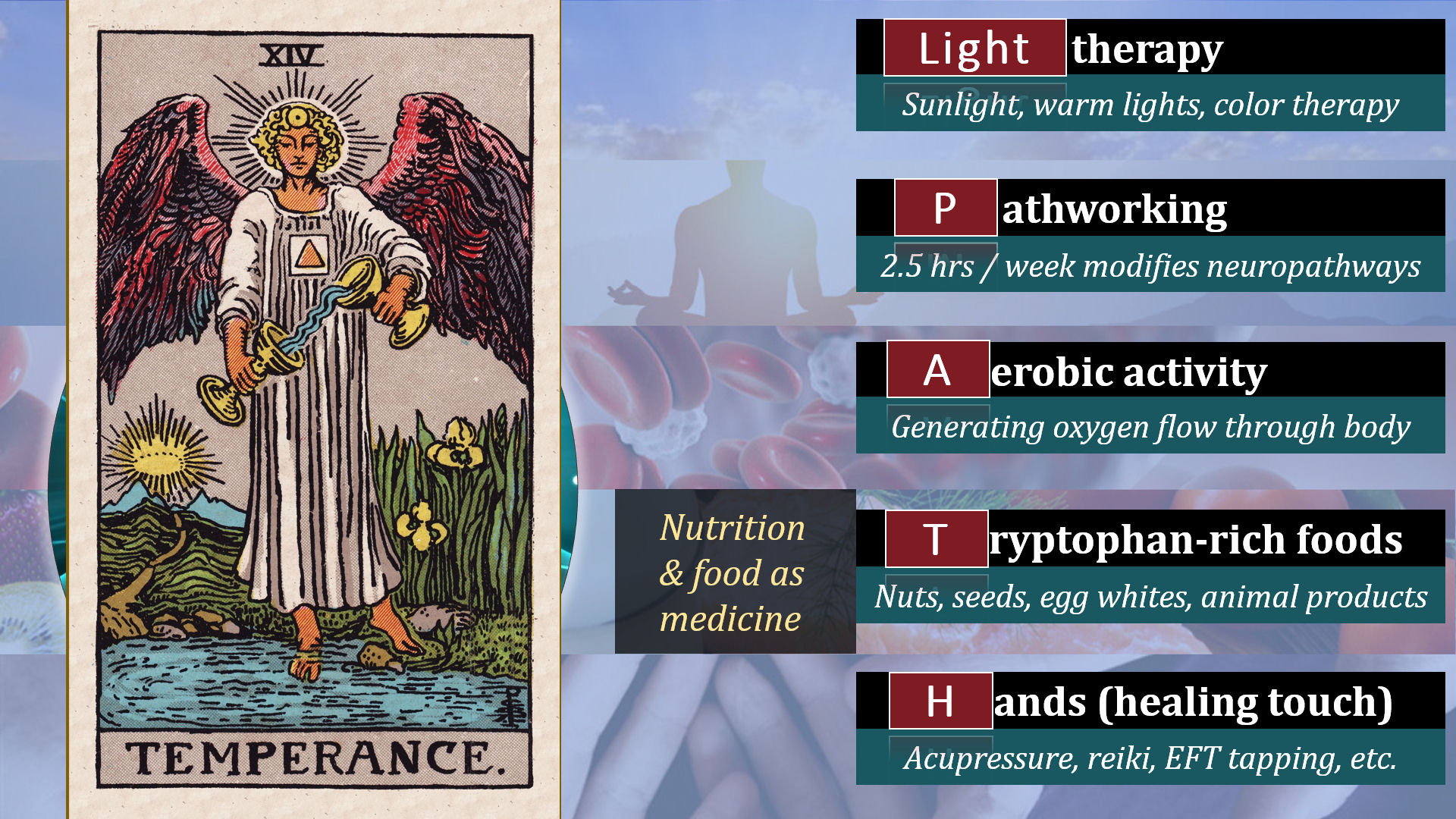
Applying what we’ve learned from clinical studies and research, neurotransmitters such as serotonin could be the way to effectively re-program our own brains. Serotonin production can enhance our ability to self-heal (both physical health and mental health), for instance, and five tried and true ways to increase your body’s serotonin production is encapsulated in the mnemonic “Light PATH” (or “Light MATH”), P for Pathworking and Meditation or M for Meditation and Pathworking. =)
Interpret a card draw through the lens of these five techniques. In other words, assume every card is a message directing you toward one of these five activities in your efforts to promote self-healing. Which of the five is the card you’ve drawn directing you toward?
There are no wrong answers. It’s all about how you program your deck, how you’ve assigned the correspondences, and accuracy hinges on the specific relationship you’ve nurtured between you and your cards.
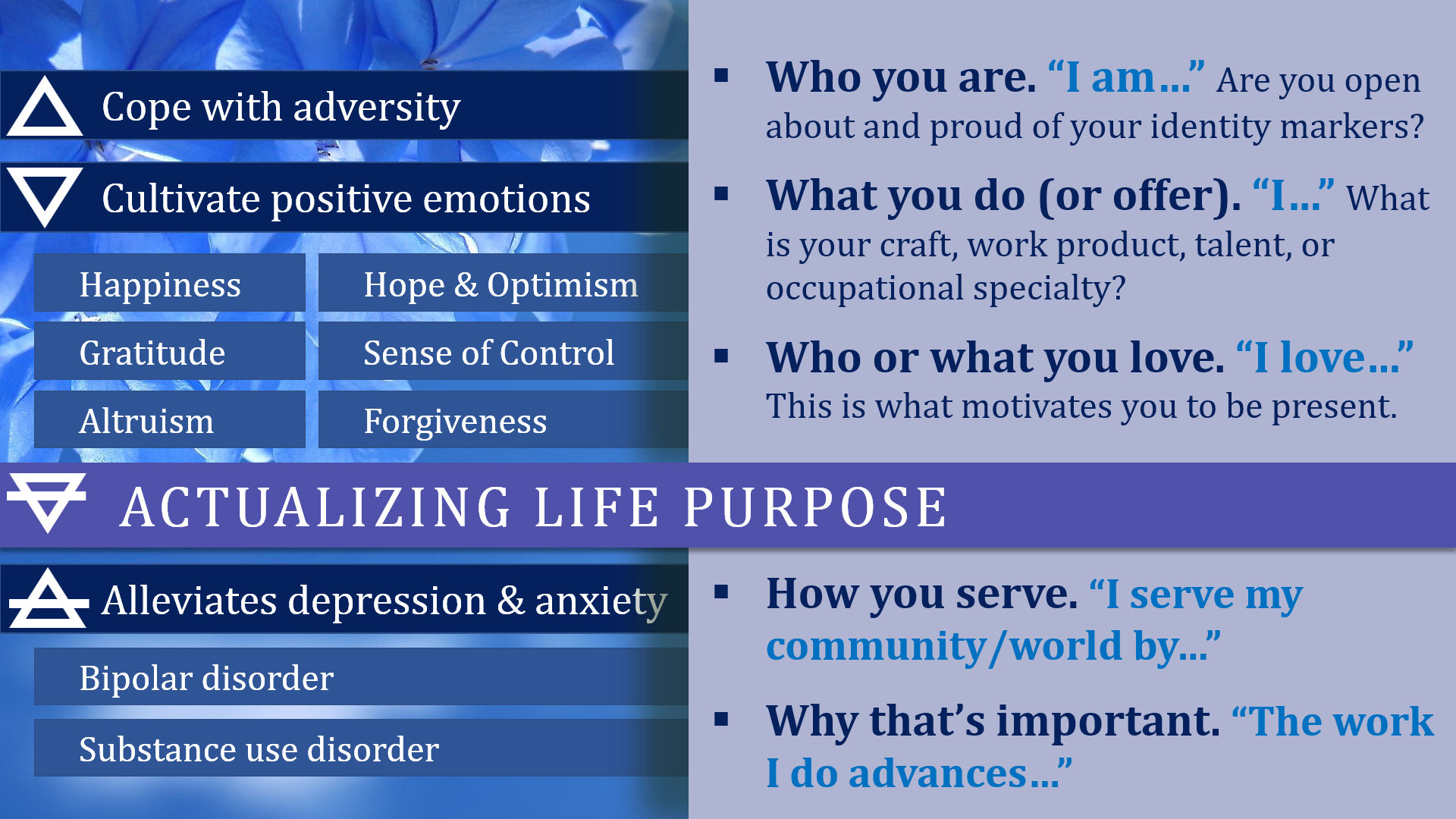
Another core objective of the tarot reader as spiritual advisor is to help querents facilitate a clearer understanding of their own life purpose. At the core of almost every energy imbalance or weakened spiritual health is not having a strong and clearly defined answer for the five questions that sum up our sense of life purpose. The handout offers a few suggestions on creating your own tarot spread based around those five questions.
Your role as a tarot reader and spiritual advisor is to guide querents toward actualizing an understanding and appreciation for their life purpose, and the path to clearly defining one’s life purpose involves addressing those five questions.
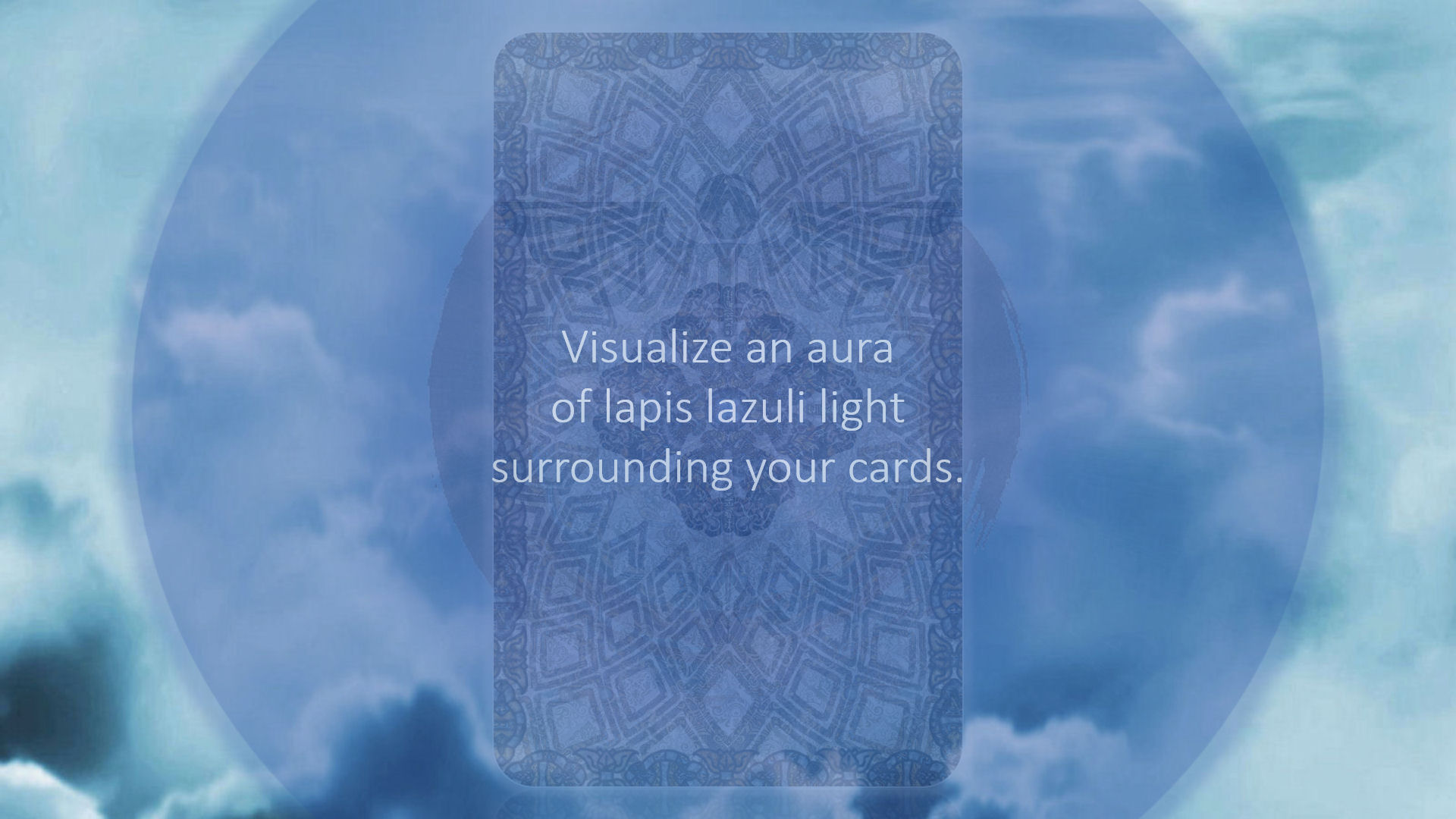
During the live workshop, we learned a quick and easy visualization exercise you can do before you start a health reading. The PowerPoint deck you’ll be downloading walks you through it.
In short: Visualize your mind connecting and becoming one with the infinite sky. Then visualize an enso zen circle appearing, representing a gateway. You use the caduceus (representing Hermes, the divinity that oversees the tarot) as the key to unlock that gateway.
A pillar of lapis lazuli light spills forth, the healing force of the medicine master. That light is absorbed into you through your third eye and henceforth, your reading is going to be channeling that medicine master, and you are now empowered with the medicine master’s healing powers.
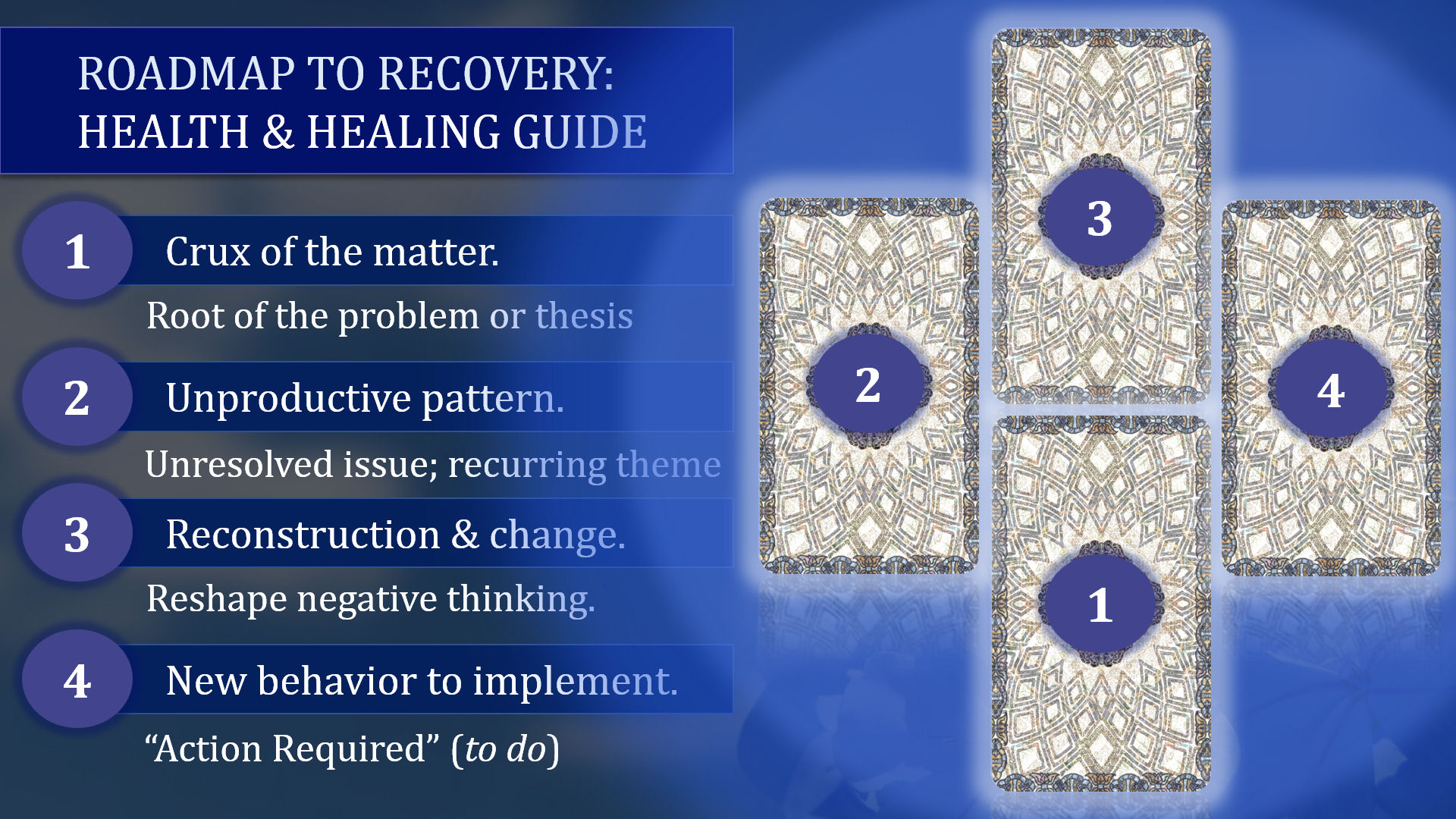
To test drive the different ways to utilize correspondences and do a health reading with the cards, we experimented with many of them in a four-card spread.
The purpose was to apply in real-time, together, what might have otherwise felt like a radical approach to interpreting the cards. We got mechanical with it, but we also encouraged and honored our intuition, learning how to merge the systematic with the psychic-spiritual.
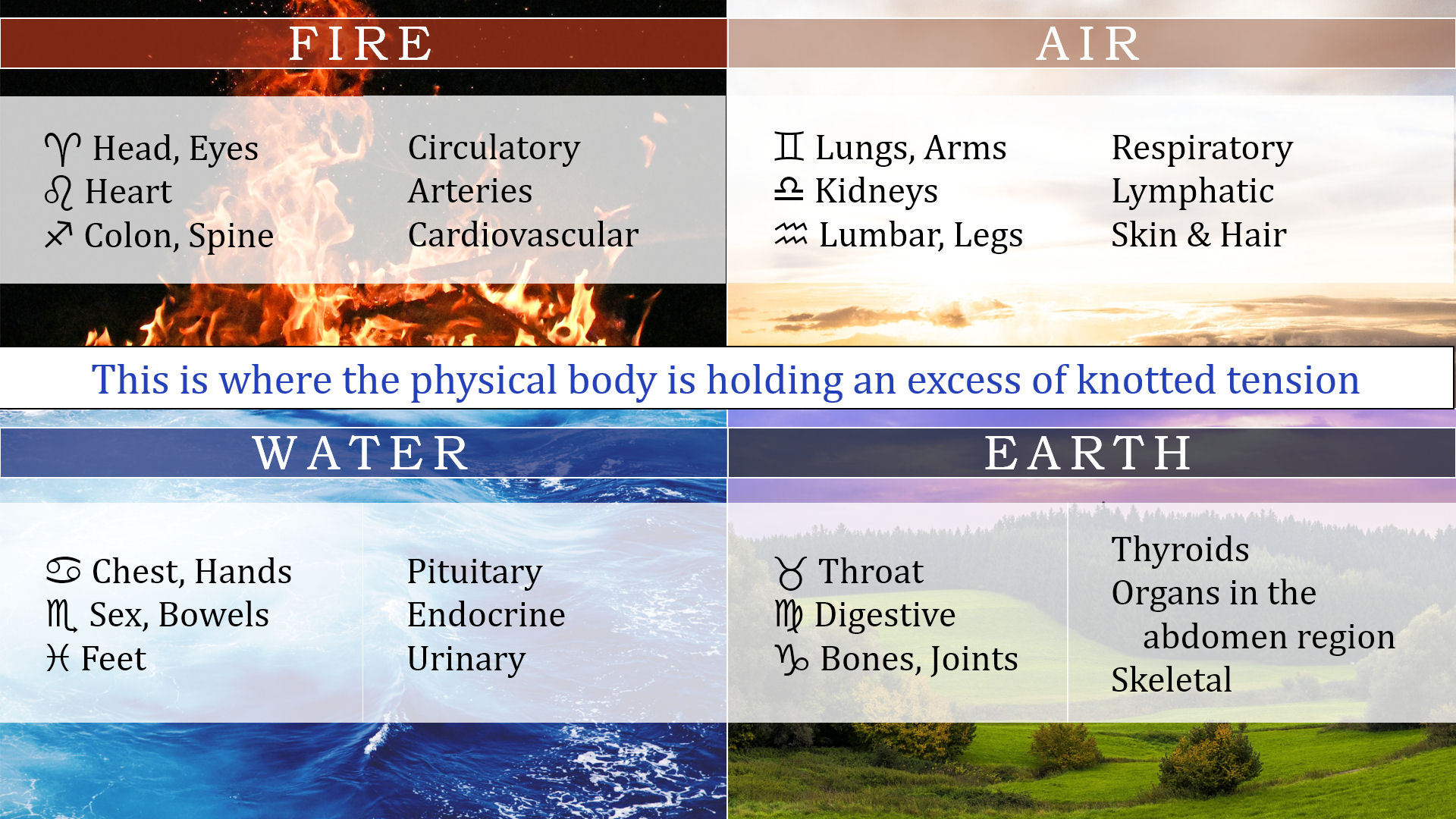
Our “methodical” approach combined both use of our intuition, reliance on psychic ability and assigning correspondences in a rather textbook, objective sort of way. We applied a method that proved the two are not mutually exclusive.
This four-card test drive of the different methods and correspondence tables we covered during the presentation gave you a hands-on experience of how to integrate these modalities with your current tarot practice.
Participants saw firsthand just how specific, comprehensive– and accurate– their health readings as tarot readers could get.
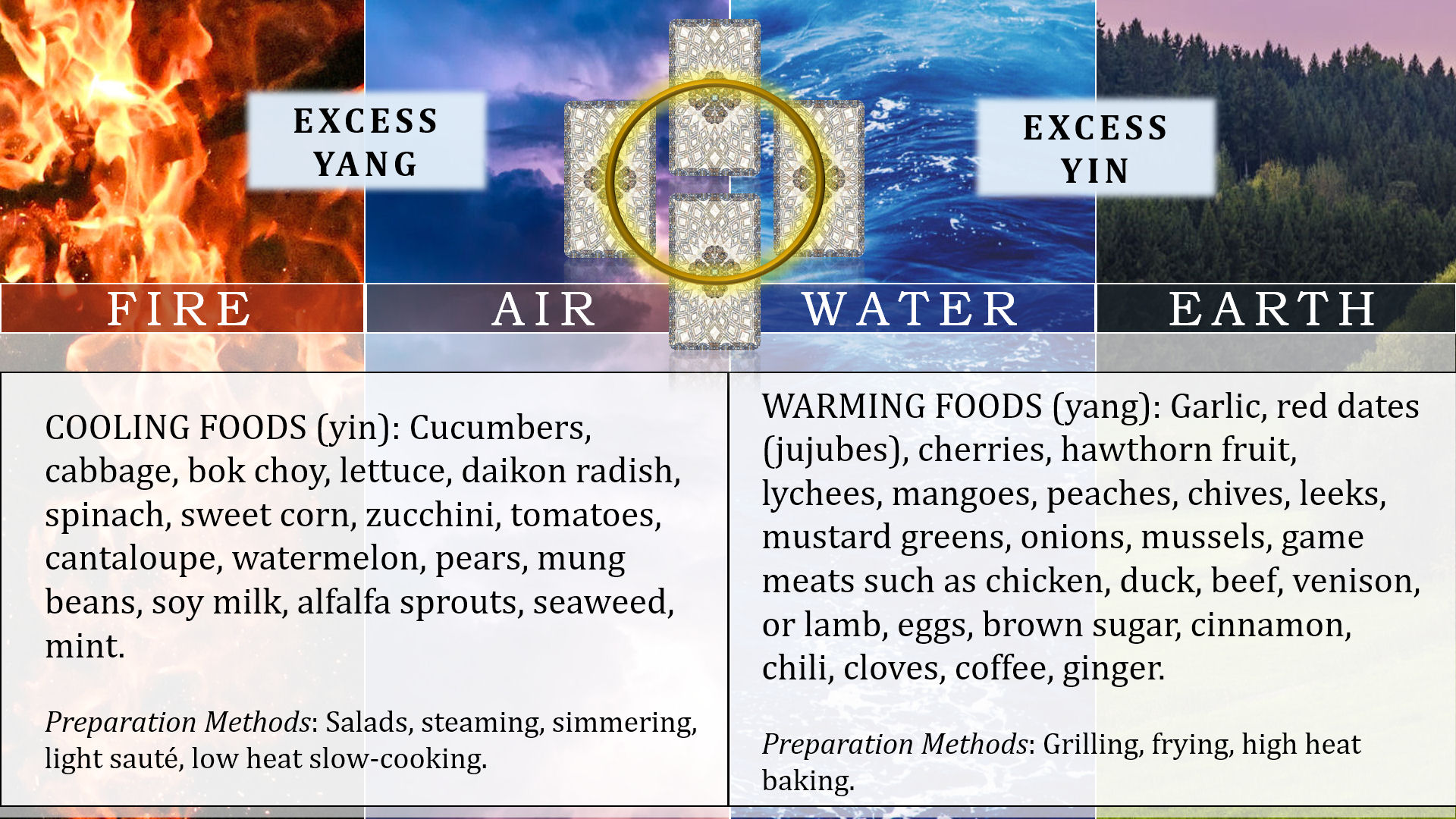
Although deep-diving into Traditional Chinese Medicine may be a bit out of scope in this workshop and needs its own dedicated curriculum, how it might be reconciled with the four elements and then applied to the tarot, some of it, at least in a cursory way, is covered in the handout you’ll download.
HOT AND COLD BALANCES IN THE FOUR ELEMENTS
| FIRE | WATER | AIR | EARTH |
| DRY: Depletion. Broad but not deep. Restless. Consumed by one drive. Dehydration and irritated skin. | DAMP/Hefty: Stagnation. Deep but not broad. Heaviness. Water retention. Per TCM theory, leading cause of cancer development. | WINDY: Too easily affected by others. Self-doubt. Weakened defenses. Migraines, congestion, sneezing, liver imbalance. | DAMP/Weary: Stiffness. Fatigue. Over-exerted. Low energy. Insomnia. Melancholic. Foggy mind. Light sensitivity. |
| EXCESS HEAT (qi): Expansion and proliferation. Congestion. Volatility. Agitation. Too much social media (“modern” life). Excess cortisol or adrenaline. Symptoms: Sore throat, constipation, yellow phlegm, darker urine. | EXCESS COLD (qi): Contraction and stagnation. Constriction. Stress. Cramping. More prone to arthritis. Self-limiting behavior. Anxiety. Low immunity. Weak digestion. Symptoms: Spasms, chills, cold hands and feet; stiffness. | ||
Here, what we’re doing is applying the TCM framework as a set of vocabulary for talking about spiritual health, using tarot’s metaphysical elementals of Fire, Water, Air, and Earth.
Thus, for example, if the querent’s overall tarot reading is Fire-dominant, there may be issues around depletion, restlessness, dehydration (be that physiological or figurative), and irritants that need their attention. If their reading is Earth-dominant, there may be stiffness, fatigue, and issues around low energy levels they need to pay attention to.
Lots of Fire-Water interplay could indicate excess heat in terms of their Qi life force; lots of Air and Earth could indicate excess cold in terms of their Qi.
This might then segue into talking about holistic approaches to health and wellness, including whole foods as medicine. This isn’t about diagnosis or medication; it’s focused on how to approach healthful eating habits. Maybe if their lifestyle generates “exceed heat” from a Qi energy perspective they can consider more cooling foods in their meals; and if there is “excess cold” energy-wise, consider some warming foods, all, of course, filtered through any dietary restrictions, allergies, or food preferences the querent might have.
| The modern high-tech lifestyle is said to induce excess heat, so if that is the type of lifestyle you lead, then you’d want more cooling foods in your daily diet. |
| COOLING FOODS (yin): Cucumbers, cabbage, bok choy, lettuce, daikon radish, spinach, sweet corn, zucchini, tomatoes, cantaloupe, watermelon, pears, mung beans, soy milk, alfalfa sprouts, seaweed, mint.
Preparation Methods: Salads, steaming, simmering, light sauté, low heat slow-cooking. |
| However, most highly sensitive people, psychics, and intuitives, as a broad-strokes general rule of thumb, tend to be yin-dominant, and therefore run a greater risk of excess yin than excess yang. If you tend to have cold hands and feet and get cold easily with some frailty or a weaker immune system, then you could have excess cold, in which case you’d want to balance that out with more warming foods in your daily diet. |
| WARMING FOODS (yang): Garlic, red dates (jujubes), cherries, hawthorn fruit, lychees, mangoes, peaches, chives, leeks, mustard greens, onions, mussels, game meats such as chicken, duck, beef, venison, or lamb, eggs, brown sugar, cinnamon, chili, cloves, coffee, ginger.
Preparation Methods: Grilling, frying, high heat baking. |
So in summary: Part I: We account for our four key objectives as tarot readers who are assuming the role of spiritual advisor. Then, Part II: We give our querents the tools to cope with adversity and also facilitate how to re-wire their minds so they are better at self-healing (both physiologically and psychologically).
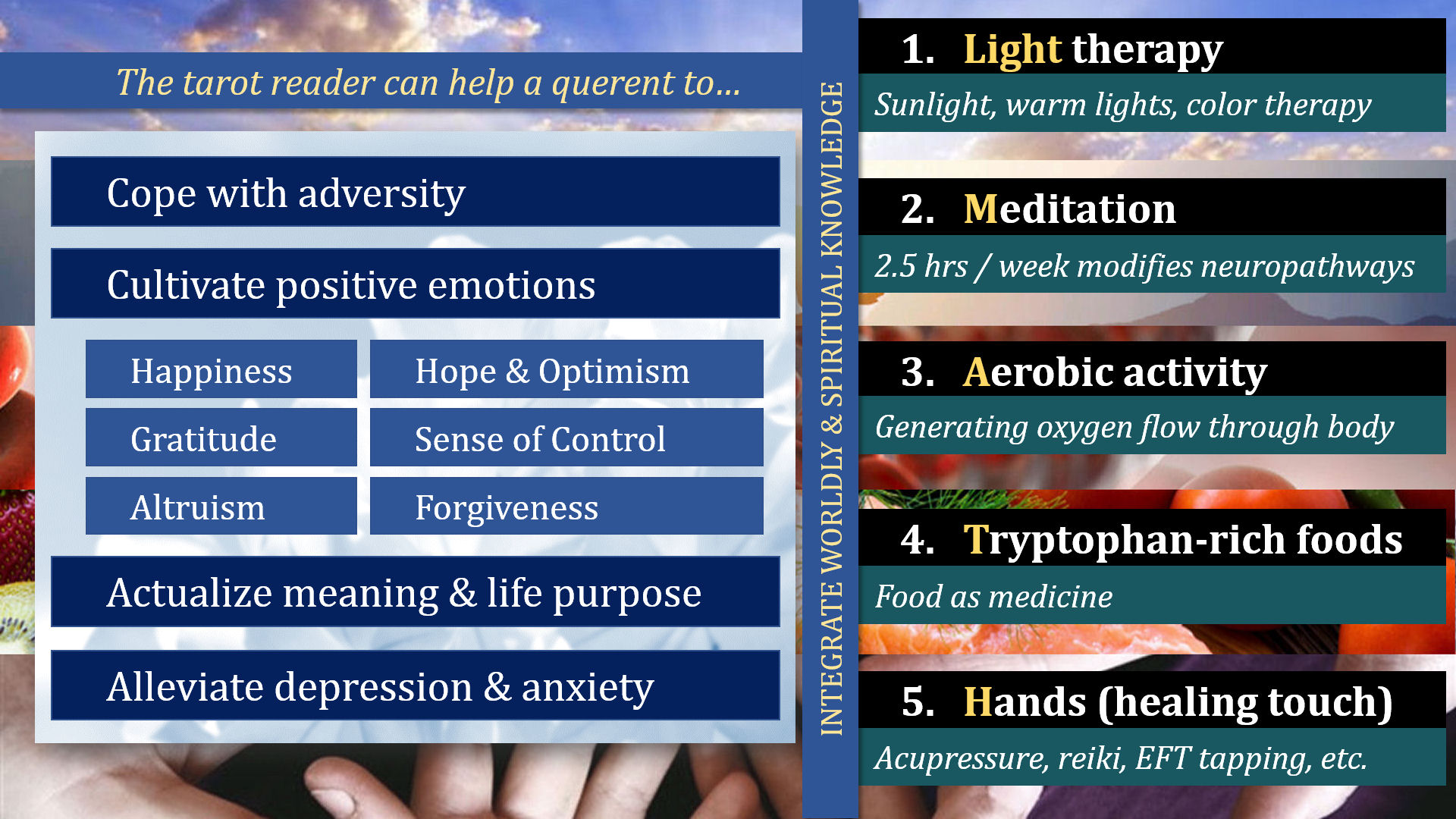
This is achieved through the LMATH approach we cover in the PowerPoint: forms of light therapy, meditation and pathworking, aerobic activity, considering food as medicine, and forms of faith healing by touch.
As for my objective for this workshop, I truly hope I have been able to give the intermediate tarot reader a starter kit for navigating holistic health readings and to gain more confidence in taking on health readings. Most important of all, this framework helps you to start seeing yourself as a tarot healer and spiritual advisor.

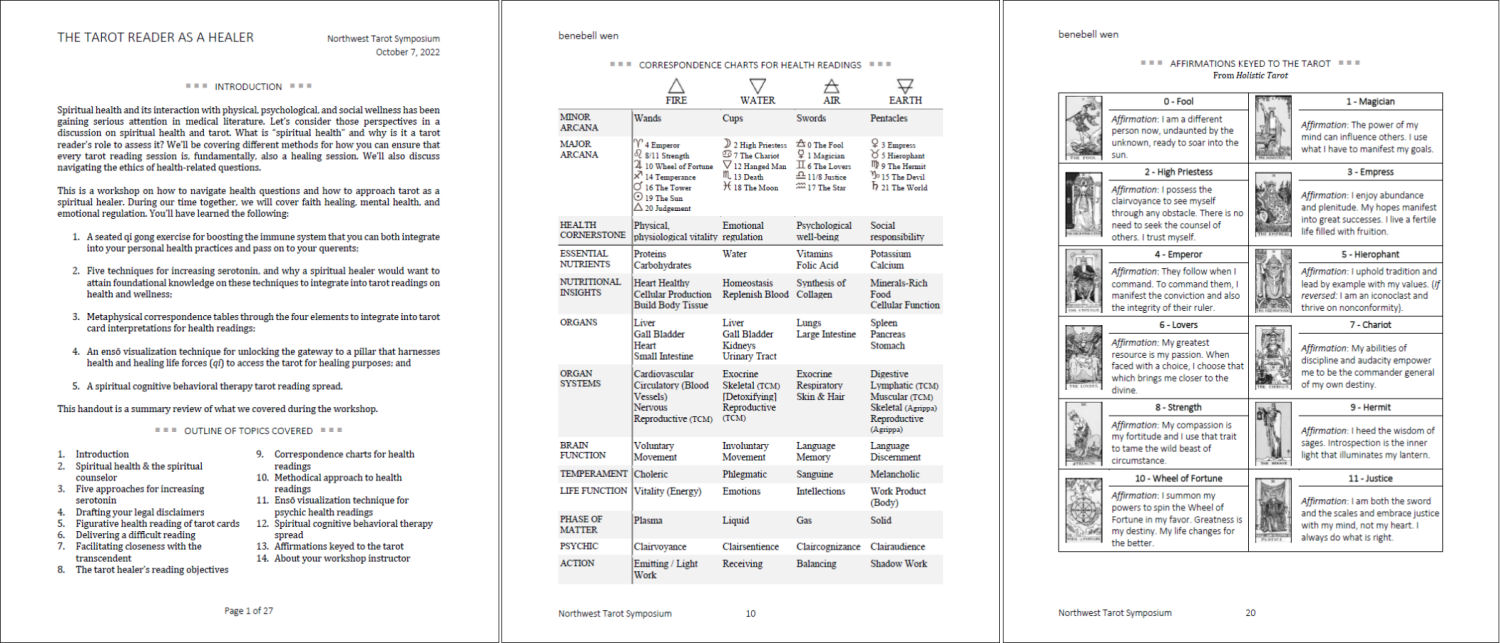
The Handout:
Click here to download the PDF
Click here to download the DOCX
Please feel free to use as-is or create variations of any content in the Handout for personal or professional purposes. The Word file is provided so that you can cut, paste, and edit with ease.
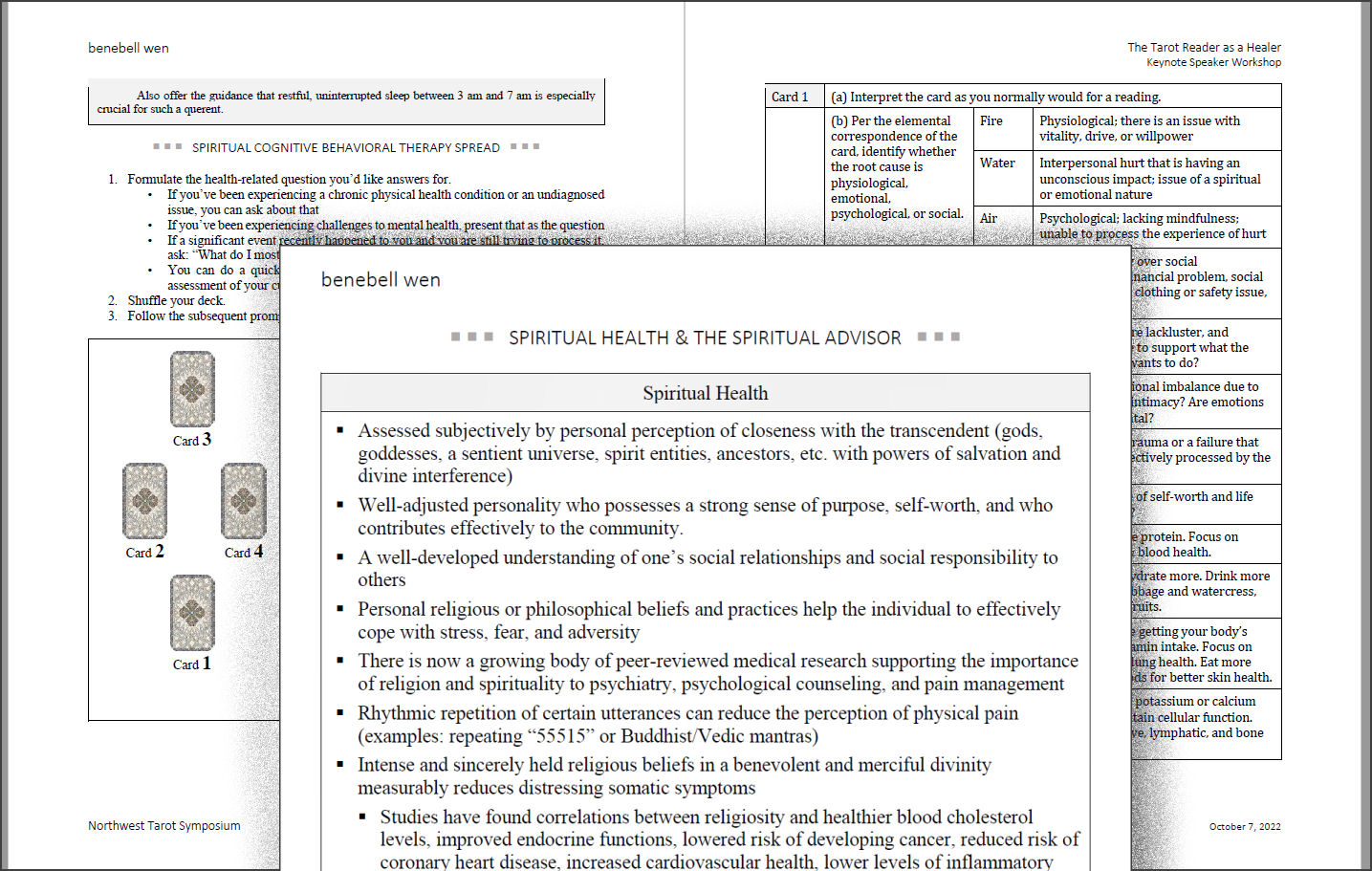
Read through the Handout
Set aside a few hours of free time to read through the entire handout, which will serve as your handbook on how to approach health readings with the tarot.
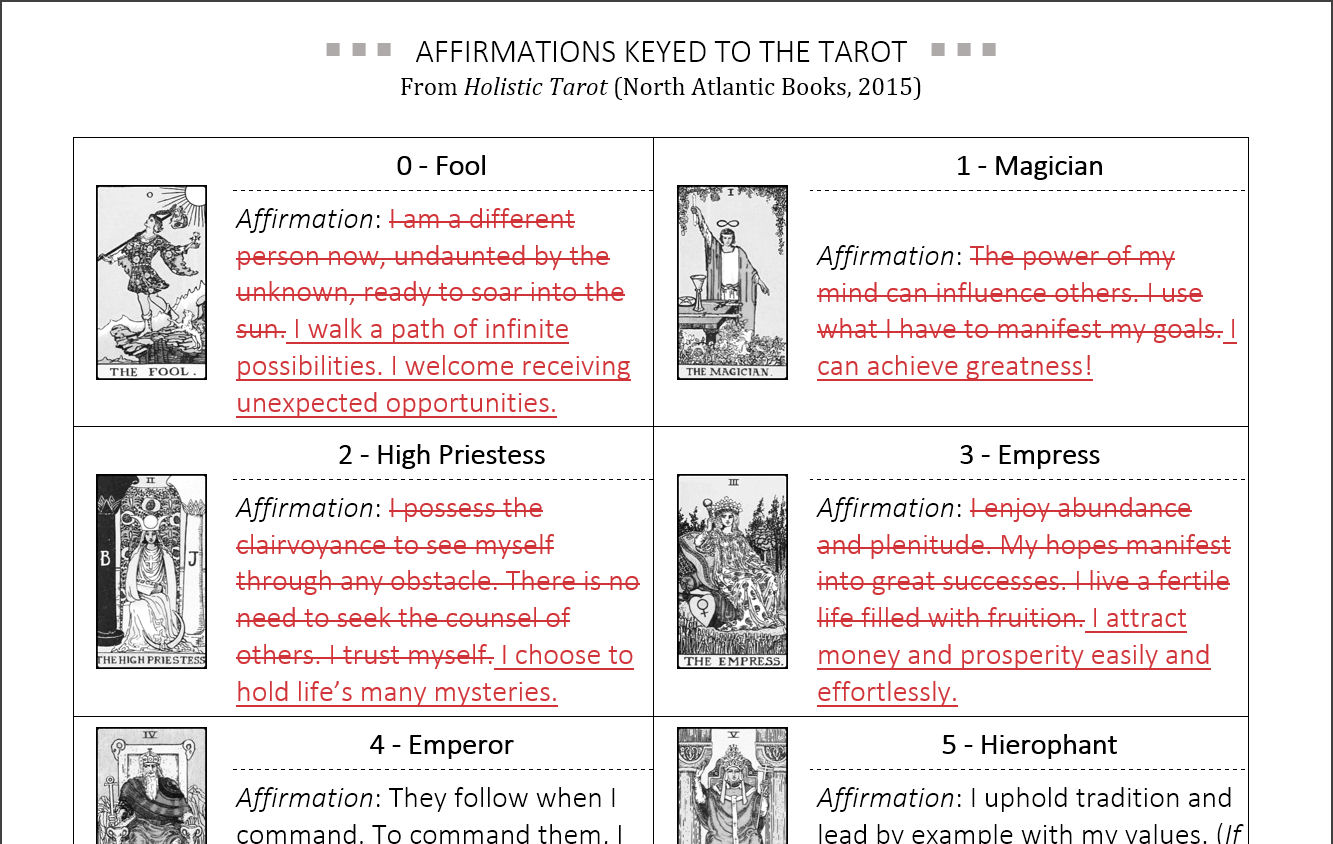
Revise the Affirmations Keyed to the Tarot
Download the DOCX file of the handout. Select and copy the section “Affirmations Keyed to the Tarot” and paste it into a new document file. Read through each affirmation drafted for the 78 cards. Keep the ones you like. Delete the ones you don’t like and write in your own. This reference file of affirmations will be your go-to correspondences when advising your clients.
The PowerPoint:
Click here to download the PPTX
I’ve typed out explanatory notes for each slide in the presentation.
That way even if you forgot something we talked about while at NWTS, the notes should be sufficient to jog your memory.
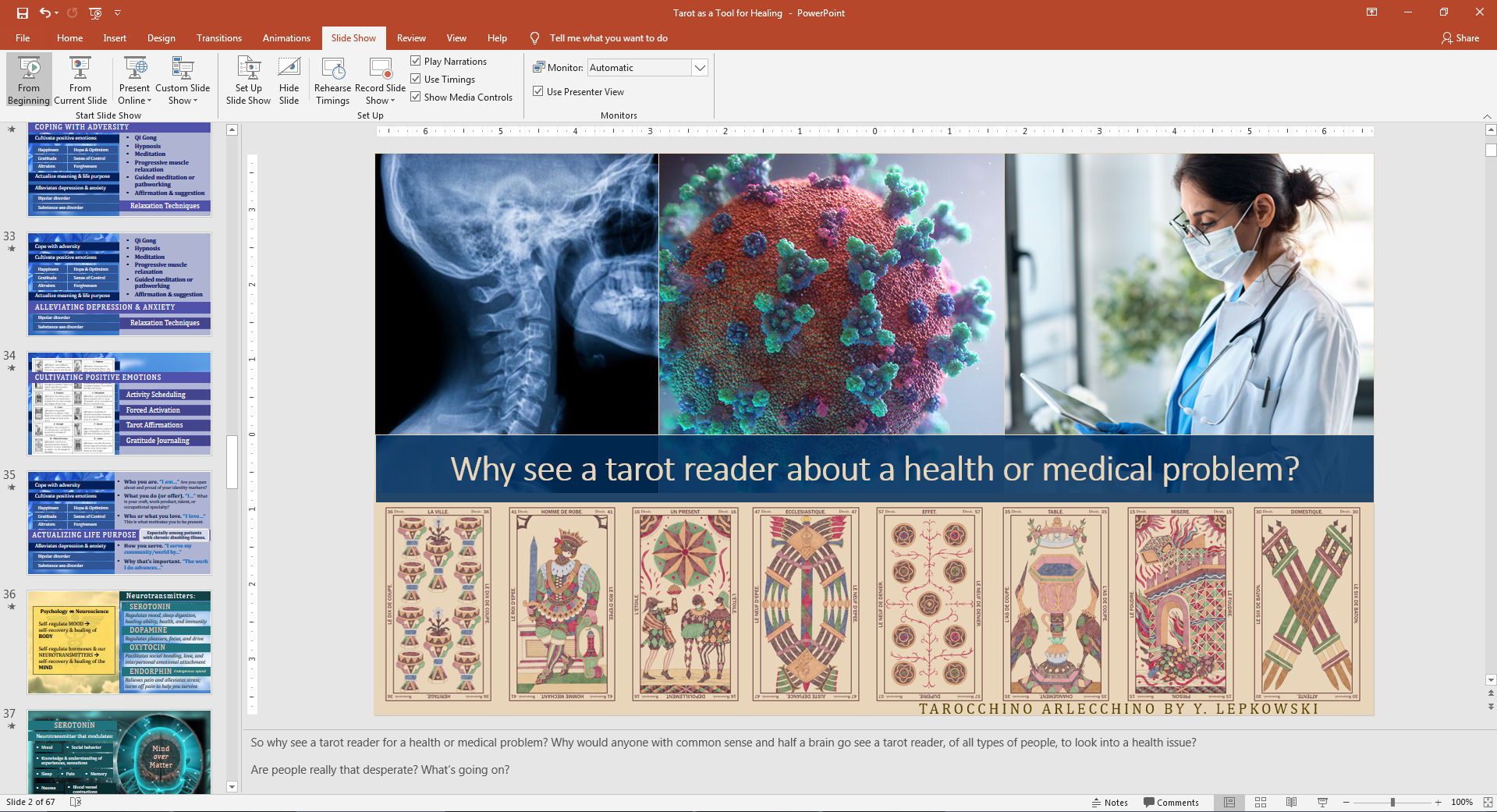
When you view the PowerPoint in two-screen Presentation mode, you will be able to see all explanatory notes while you click and animate the slides.
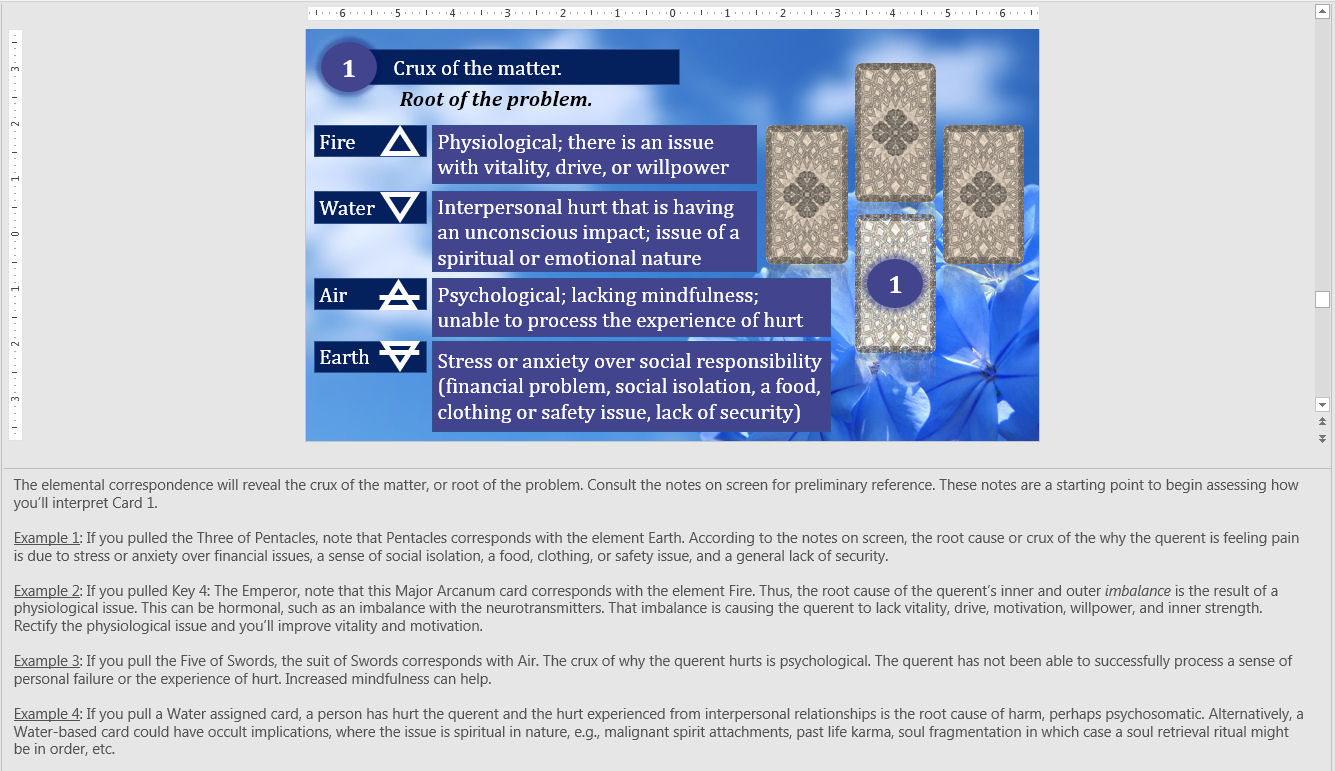
Review the PowerPoint
Although there is no live or recorded lecture, I’ve added explanatory text in the notes section for each slide of the PPTX file. Once you download the PowerPoint, the very first slide gives you instructions on how to watch it in Presentation mode, preferably on two screens, so you can read the text in the notes section while walking through the animated PowerPoint slides.
WORK THROUGH THIS INDEPENDENT STUDY
If you want to master using the tarot to read about health, so that you can improve your capacity as a spiritual advisor, this is how you work through the materials:
Download the PowerPoint. Hopefully you have a two-monitor computer set-up, because that’s the ideal way for viewing the PowerPoint.
Download and print out the Handout. Set aside about 2 hours for this. Have the PowerPoint deck open, start it in Slide Show, so that as you click the presentation, you can walk through the animations. Meanwhile, on the other monitor, you’re looking at the text in the Notes section.
Have a notebook on hand and take notes, or take screenshots that you’ll want to supplement your note-taking with.
The first person you’ll try out this method of health reading on is yourself. So you’ll also want a deck of cards on hand.
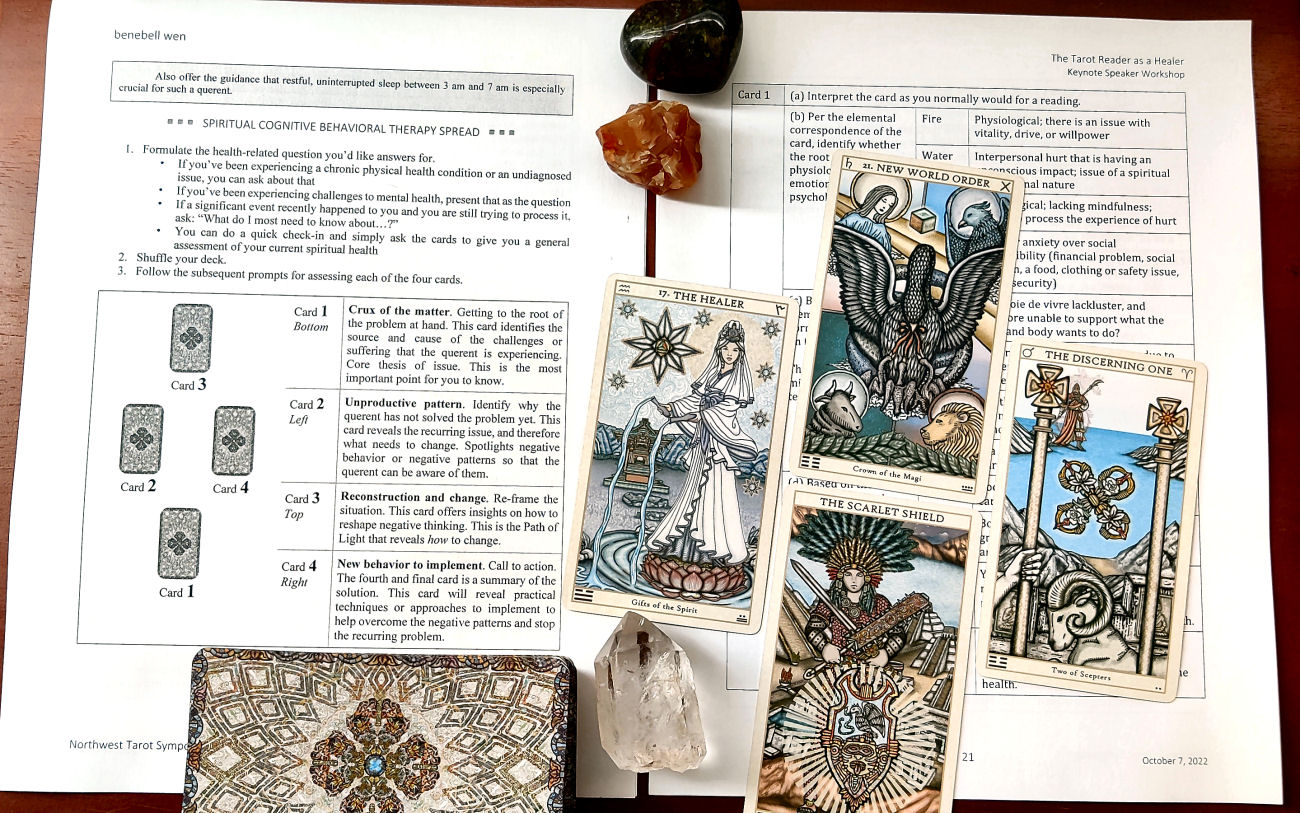
When you get to Slide 46, walk through the 4-card reading. You’ll then use the handout as reference on how to interpret the cards specifically for a health reading, from a spiritual and energy perspective.
You may want to read through the 4-card tarot reading approach first, once through, before trying it. And then once you’ve got the lay of the land, return back to Slide 46 and then actually do the reading for yourself.
Once you’ve tested it out for yourself, you can start expanding the circle of people you do these types of readings for until you’re confident enough to do spiritual and holistic health readings professionally. When you’re there, the handout I’ve provided gives you the core tools, framework, and messaging you’ll need to be successful.
Easy Seated Qi Gong Exercise
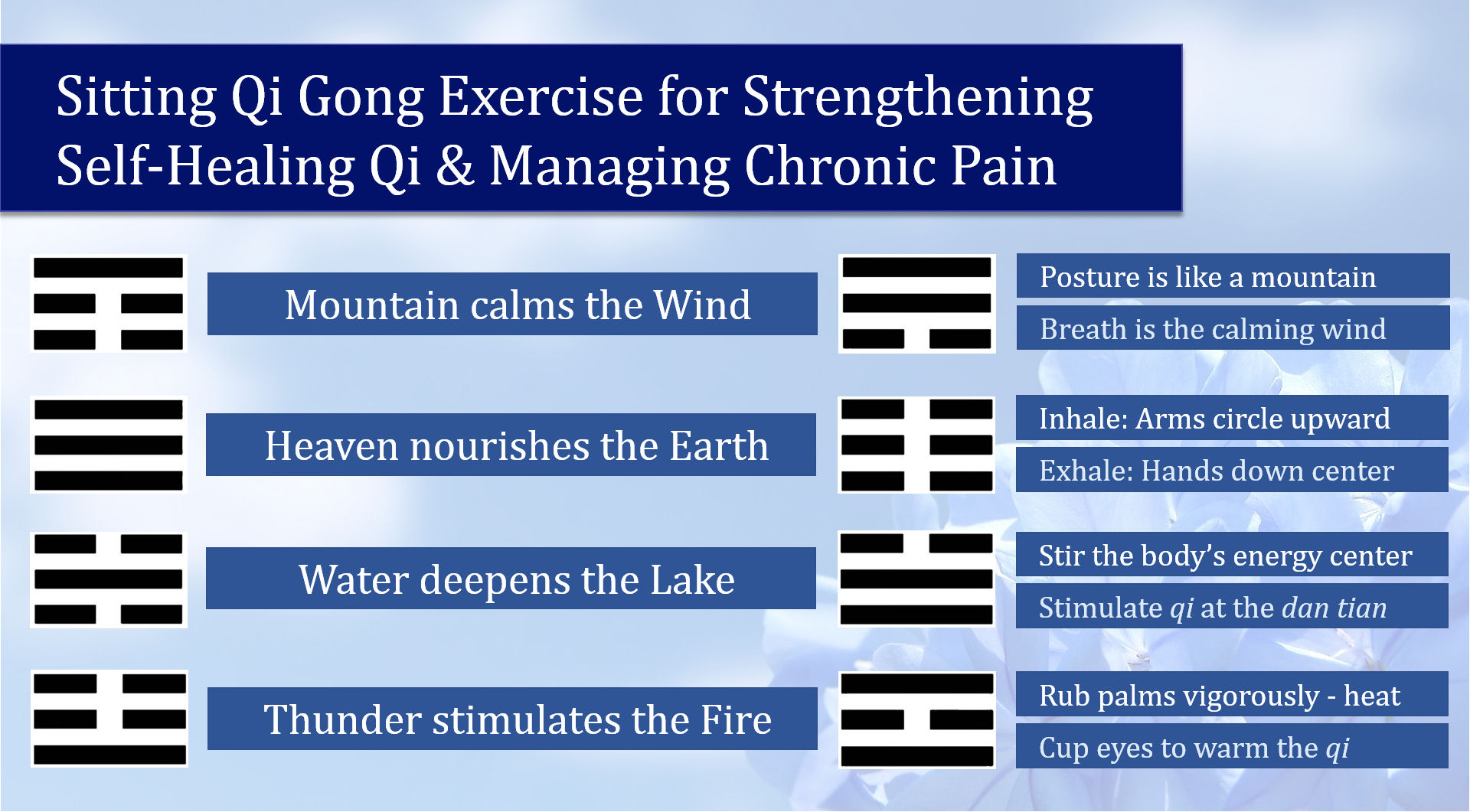
This is a six-minute physical activity for increasing serotonin, strengthening your inner energy body, and bringing calm. Over time, routine qi gong practices such as this one will help generate your body’s ability to self-heal and help you to manage chronic pain, be that emotional or physical.
I tried to think of a qi gong exercise that could be easily taught and shared by anyone, and would be as widely inclusive as possible. Thus, if you find this exercise to be greatly beneficial, it can become something you yourself teach those you engage with so they can benefit from it, too. No need to credit back; it’s not like I came up with this exercise. It’s a widely known traditional and common wellness practice.
NEXT STEPS
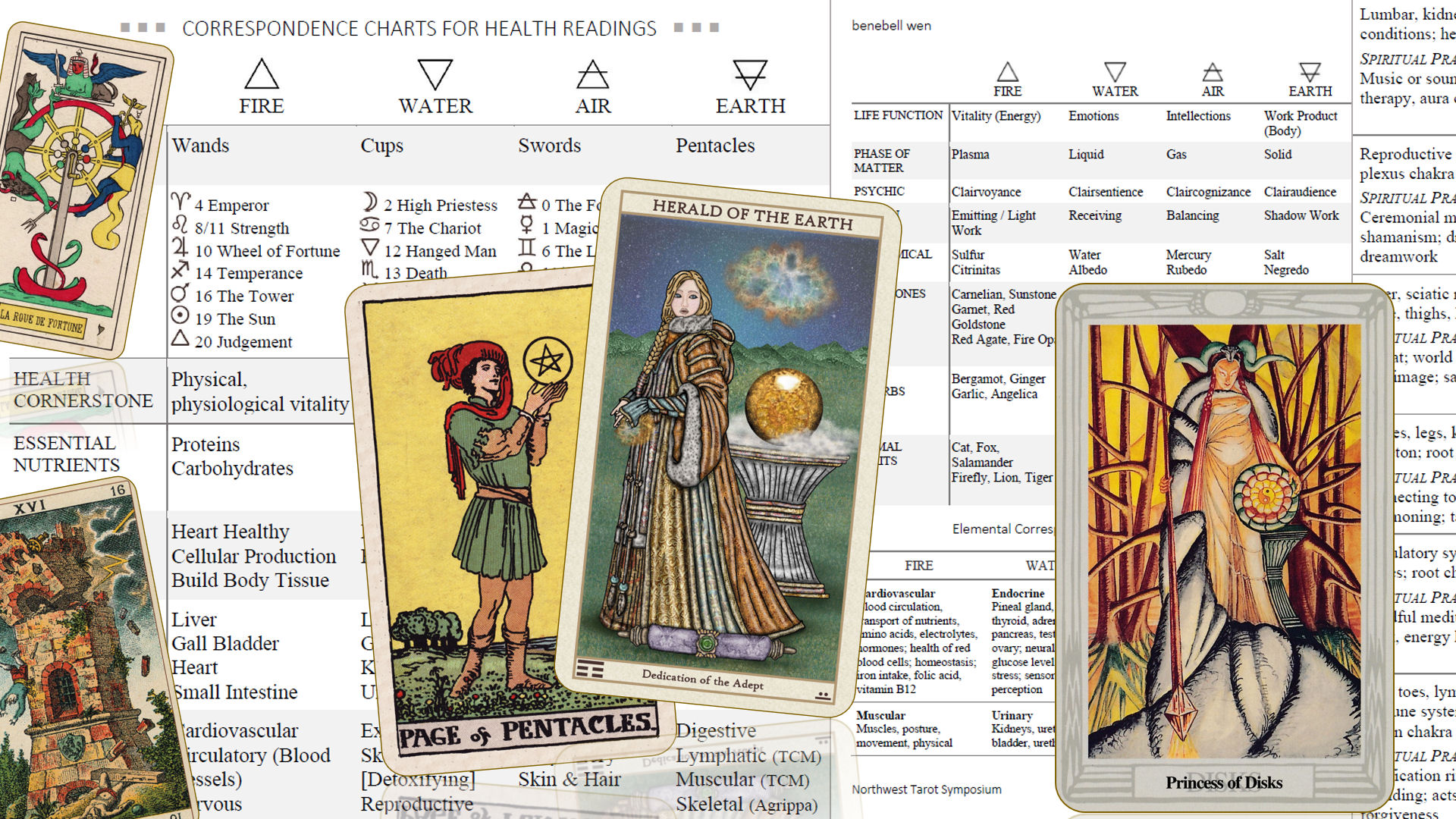
Fine-tune Your Unique Approach to Health Readings
The accuracy of your spiritual health readings hinges on your psychic connection to your cards and what each card might be trying to say to you, its reader. The accuracy does not come from some reference chart I created for a handout, but these charts are a good place to start. Only through experiences of trial and error will you be able to filter down these charts into what works for you, how it works, and what doesn’t work for you and therefore shouldn’t be integrated into your practice.
Program Your Go-To Workhorse Tarot Deck for Health Readings
Put your go-to workhorse tarot deck back in sequential order (example: Major Arcana in numerical order, Wands, Cups, Swords, and Pentacles, in the order Ace to Ten, then Page, Knight, Queen, King). Study each card and assess what this card in your own deck says to you within the scope of health issues. Go through the correspondence charts for health readings and cross-reference them with your focused, isolated study of each card.
Continued Education
The handout’s reference charts lack context if you don’t attain a deeper understanding of human anatomy, healing with whole foods, food as medicine, lifestyle medicine, and holistic health uses of herbs.
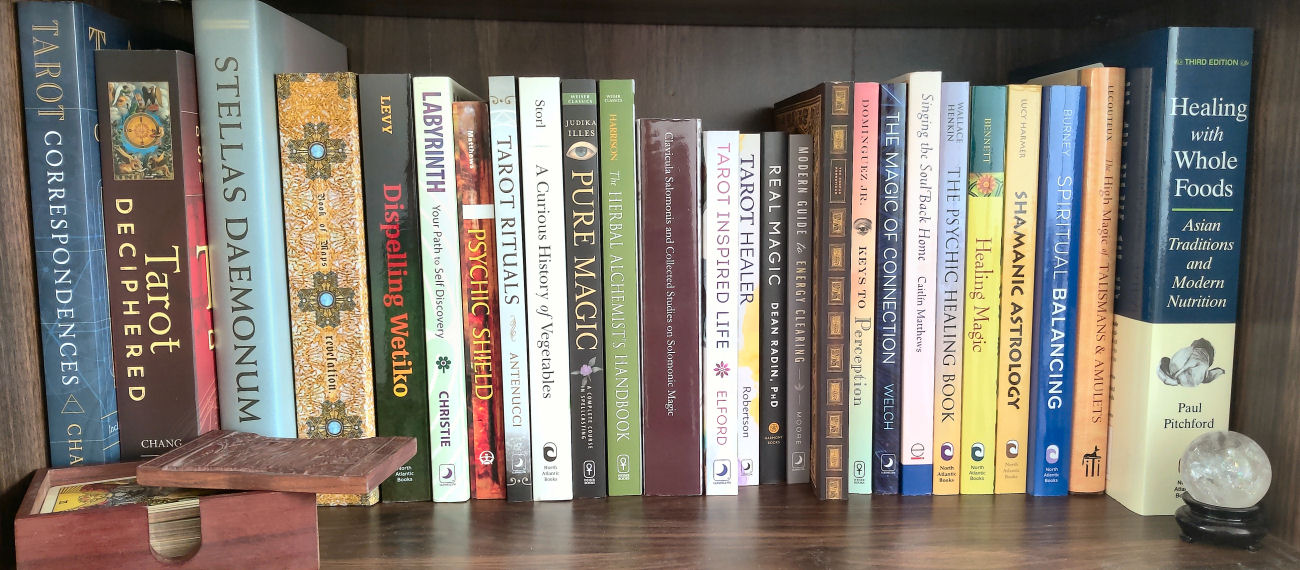
Curate a small personal library, about one bookshelf in length, of reference materials you can consult on all matters relating to spiritual health and healing. These reference materials become your go-to, which you can integrate into how you coach and give guidance to querents.
Works Cited:
John Turbott, MBChB. Religion, Spirituality, and Psychiatry: Conceptual, Cultural, and Personal Challenges. Australia and New Zealand Journal of Psychiatry, Vol. 30, Iss. 6, Dec. 1996 (examining the place of religion and spirituality in psychiatry).
Harold G. Koenig, MD. Religion, Spirituality, and Health: The Research and Clnical Implications. International Scholarly Research Network, Psychiatry, 2012 (overview of the clinical research on the religion/spirituality and both mental health and physical health).
Erwin K. Koranyi, MD. Morbidity and Rate of Undiagnosed Physical Illnesses in a Psychiatric Clinic Population. Arch Gen Psychiatry. 1979;36(4):414–419 (Out of 2,090 psychiatric clinic patients, 43% suffered from physical illnesses, and of that, 46% remained undiagnosed).
Susan Buckles, MBA, APR. Rare, undiagnosed diseases are relatively common. Mayo Clinic. Apr. 16, 2019 (About 1 in 13 people in the U.S. suffer from a rare, undiagnosed condition).
Hardeep Singh, Ashley N. D. Meyer, Eric J. Thomas, The frequency of diagnostic errors in outpatient care. BMJ Quality & Safety, published via PubMed.gov, NIH National Library of Medicine, 2014 Sep;23(9):727-3 (noting the frequency of misdiagnosed health conditions). See also Office of Research & Development, U.S. Department of Veteran Affairs, Twelve Million Patients Misdiagnosed Yearly.
Helen Jackson Bleicher. The experience of counseling the terminally ill and the best counseling practices. Masters Thesis. University of Nebraska at Omaha. May 2011 (best practices is to focus on the psychosocial and spiritual aspects of dying; focusing on who the querent is and what he/she believes relieves death anxiety; focus on quality of life).
Juan Liu, et al. Cold and Hot Properties of Traditional Chinese Medicines. Frontiers in Pharmacology. Jan. 19, 2021 (beginner-level introduction of TCM theory of hot and cold properties of qi and foods).
Zhai Hai-Long, et al. Chinese Folk Prescriptions for Wind-Cold Type Common Colds. Journal of Traditional and Complementary Medicine. 2015. (offering insights into food as therapy for healing the common cold during the late autumn and winter months).
Reiki A. Muluye, et al. Anti-Inflammatory and Anti-Microbial Effects of Heat-Clearing Chinese Herbs. Journal of Traditional and Complementary Medicine. 2014. (an overview of common herbs to help with inflammation and infection).
About Chronic Diseases, National Health Council, Jul. 29, 2014 (incurable chronic diseases affect over 40% of the total US population; only 56% of them have ever received preventative health care services).
Peter Boersma, MPH, Lindsey I. Black, MPH, and Brian W. Ward, PhD. Prevalence of Multiple Chronic Conditions Among US Adults. Centers for Disease Control and Prevention. 2020; 17:200130 (Almost one-third of the US adult population suffers from multiple chronic conditions, often a cocktail combination of arthritis, cancer, chronic obstructive pulmonary disease or COPD, coronary heart disease, current asthma, diabetes, hepatitis, hypertension, stroke, and weak or failing kidneys).
Mehdi Akbari and Sayed M. Hossaini. The Relationship of Spiritual Health with Quality of Life, Mental Health, and Burnout: The Mediating Role of Emotional Regulation. Iran J. Psychiatry, 13:1, 2018 (espousing the importance of spiritual health to physical, psychological, and social aspects of health and well-being).
 benebell wen
This is awesome.
LikeLike