Tarot Fortune Telling Fraud in Chinatown

Image source: Oakland Chinatown, www.oakland-chinatown.info
Image source: Oakland Chinatown, http://www.oakland-chinatown.info

I recount this as calmly as possible. That is said more for my frame of mind than yours.

I had stumbled upon a fortune teller in Chinatown sitting at a makeshift tabletop. The chairs were miniature and when sitting, your knees would be up next to your ears. What had intrigued me to stop and listen in was her method of fortune telling: the tarot. You don’t see tarot divination that often among the Chinese, so of course I had to observe. A young woman about 20-ish years of age and her friend sat across from the fortuneteller. From what I overheard, the question was about love.

The fortune teller used what appeared to be a Marseille-based deck. I couldn’t figure out a discrete way to take photographs, so let’s assume my memory is good and go with the below reenactment, using the CBD Tarot de Marseille.

Continue reading “Tarot Fortune Telling Fraud in Chinatown”

Pagan Practices and Chinese Folk Religions

1

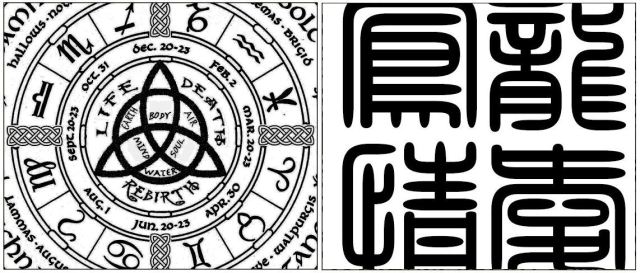
Left image of pagan Wheel of the Year from Biblical Connection.

Right image of a Taoist Fu sigil.

I don’t have educational degrees that would qualify me to write about any of this, so please understand that I am writing my observations within that non-expert context. Lately I’ve been fascinated with pagan and neopagan belief systems, mostly for how strikingly similar paganism is to Chinese Taoist-based folk religion.

Here’s how I understand paganism in context: Back in the day across Europe, Abrahamic religions rose to dominance, became institutionalized, and began setting up centralized bodies of authority that often started in the cities and spread its influence from there. At the fringes of the countryside, however, pagan faiths endured among the minority. These pagan faiths were polytheistic, though pantheist, strongly nature-based, and because they believed that everything was connected, it was thought that certain herbs, incantations of words, ritualistic conduct, and representations of elements could be harnessed to manifest intentions–in other words, magic exists.

Replace a few specifics from the previous paragraph and you could apply it to the relationship between Confucianism (and to a great extent Buddhism) and Chinese folk religions. These folk religions were looked upon in the same way pagan faiths were looked upon by the Christians. Those who practice pagan/neo-pagan religions (like Wicca, Druidism, Heathenry, or some form of pagan reconstructionism) tend to keep their faiths concealed or strictly private. That’s less of an issue among those who practice Chinese folk religions, and so you’ll see altars set up in Chinese businesses that still pay homage to the faiths of their [often agricultural] ancestors. However, like what pagans experience, those who still practice Chinese folk religions are considered fringe.

Continue reading “Pagan Practices and Chinese Folk Religions”

The Enduring Fascination for Sigils

sigil_CNtradtional

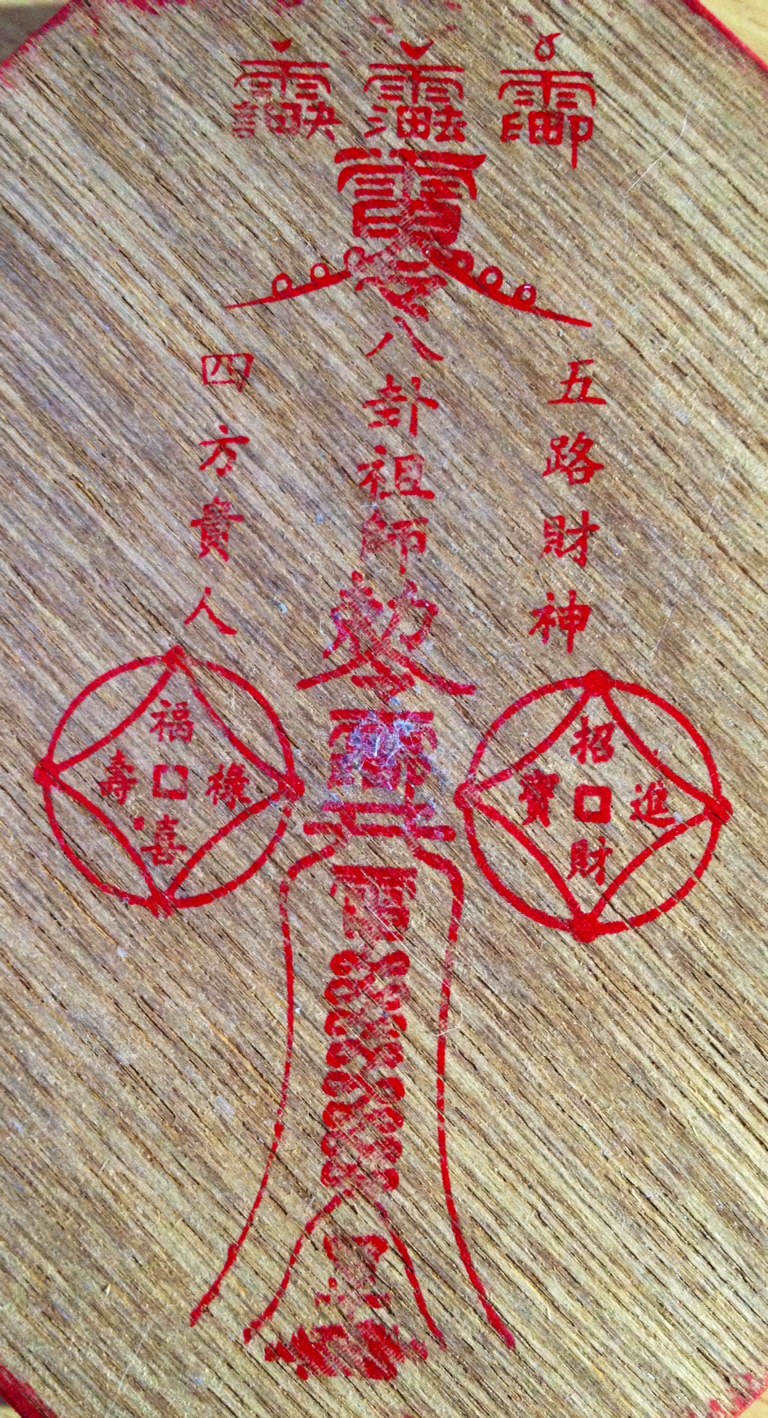
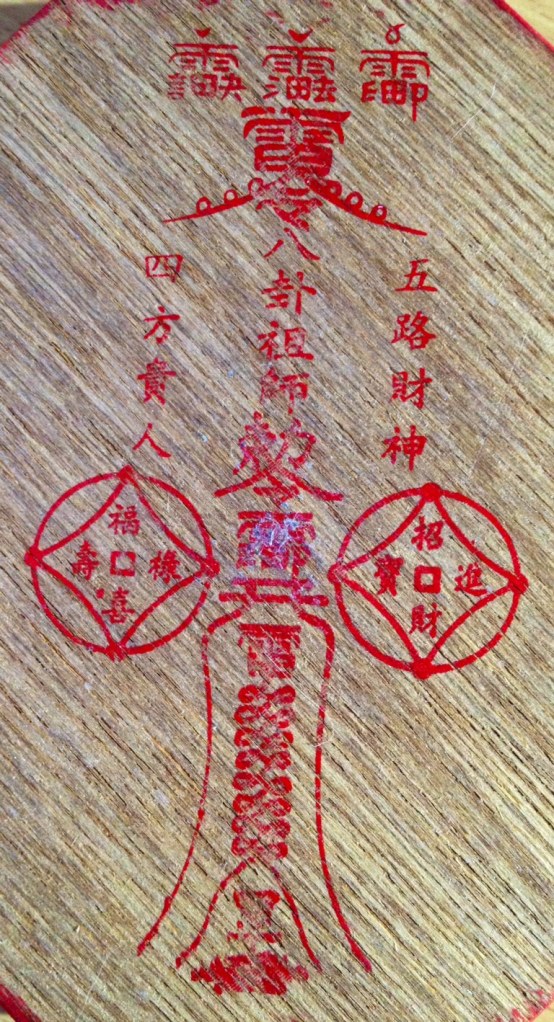
While reorganizing a closet that contained boxes of things I hadn’t touched in years, I came across some of my grandmother’s personal effects and found a trinket box with the above sigil painted underneath, on the bottom of the box. It’s a feng shui talisman of some sort, that much I know.

According to my mother and those who are in the know, it’s “a spell.” Their words, not mine. A blessing spell meant to guard and protect.
sigil_4directions

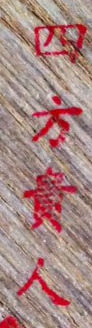
The left-most column of text calls upon the guardians of the four cardinal directions, which in feng shui theory are the Red Phoenix in the South, the Black Tortoise in the North, the Blue Dragon in the East, and the White Tiger in the West.
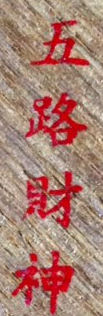
sigil_5directions

The right-most column of text calls upon the spirit guardians of the five relative directions, or Up, Down, Left, Right, and Center.
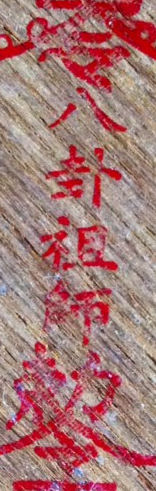
sigil_baguasaintthing

The center column is about the founder of the Ba Gua, or eight trigrams, and calling upon that energetic legacy for protection. I might liken that to praying to a venerated saint and hoping that the saint will come and bail you out of trouble.

Meanwhile the guardians of the four cardinal directions are about the universal, collective Qi energy while the guardians of the five relative directions are about the personal Qi, like a call for summoning up your own inner strength. Then the characters inscribed in the circles with the little squares at the center are just various characters for good luck and fortune, like happiness, prosperity, yada yada.
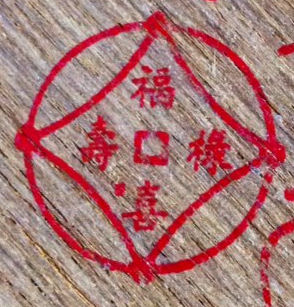
sigil_circleandsquare

The square within the circle is symbolic of the harmony between heaven and earth. It’s basically a pictorial expression of “heaven is on my side.” The diamond thing forming the four points are representative of the four gates of…something. It’s a mandala thing.
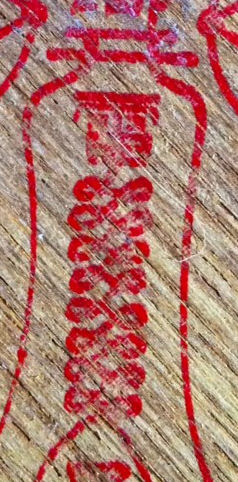
sigil_thelemniscates

The chain of lemniscates or infinity symbols reinforce the intensity of power or the efficacy of the spell. It’s the insurance policy. I suppose it’s like adding a string of exclamation marks behind a statement to show you really mean what you’re saying!!!!!!!!!!!!!!

Then you have the overall form or structure of the painted sigil, which is meant to represent a bell or wind chime, which is superstitiously believed to ward off evil spirits. Allegedly, evil spirits are afraid of the sound of bells, which is a pretty interesting belief if you consider the cross-cultural employ of bells in religious services. A less abracadabra way of phrasing it (though no more scientific) is to say that the sound of bells or wind chimes can scatter malignant energies or bad Qi.

Continue reading “The Enduring Fascination for Sigils”