Eastern Ink Tarot was conceptualized by Zhong Ling, a Chinese tarot reader and founder of the Chengdu Arcana Culture Communication Company, the publisher of this deck. She’s also the founder of a tarot school in China, established in partnership with Lo Scarabeo.
Zhong Ling teamed up with award-winning artist Zi Kang, who studied under renowned Chinese masters and trained in traditional Chinese painting styles. For the paintings you see in Eastern Ink Tarot, he sourced his inspiration from ancient books, traditional Chinese culture, and philosophy, specifically the yin-yang school of Eastern philosophy.
Both Zhong Ling and Zi Kang are seasoned tarot scholars, and that’s something I really appreciate from deck creators. They’re passionate and learned about the tarot, and then decided to create a deck. In Eastern Ink, you can see that knowledge come through in which RWS symbols they preserve and where in the art they take creative liberties.
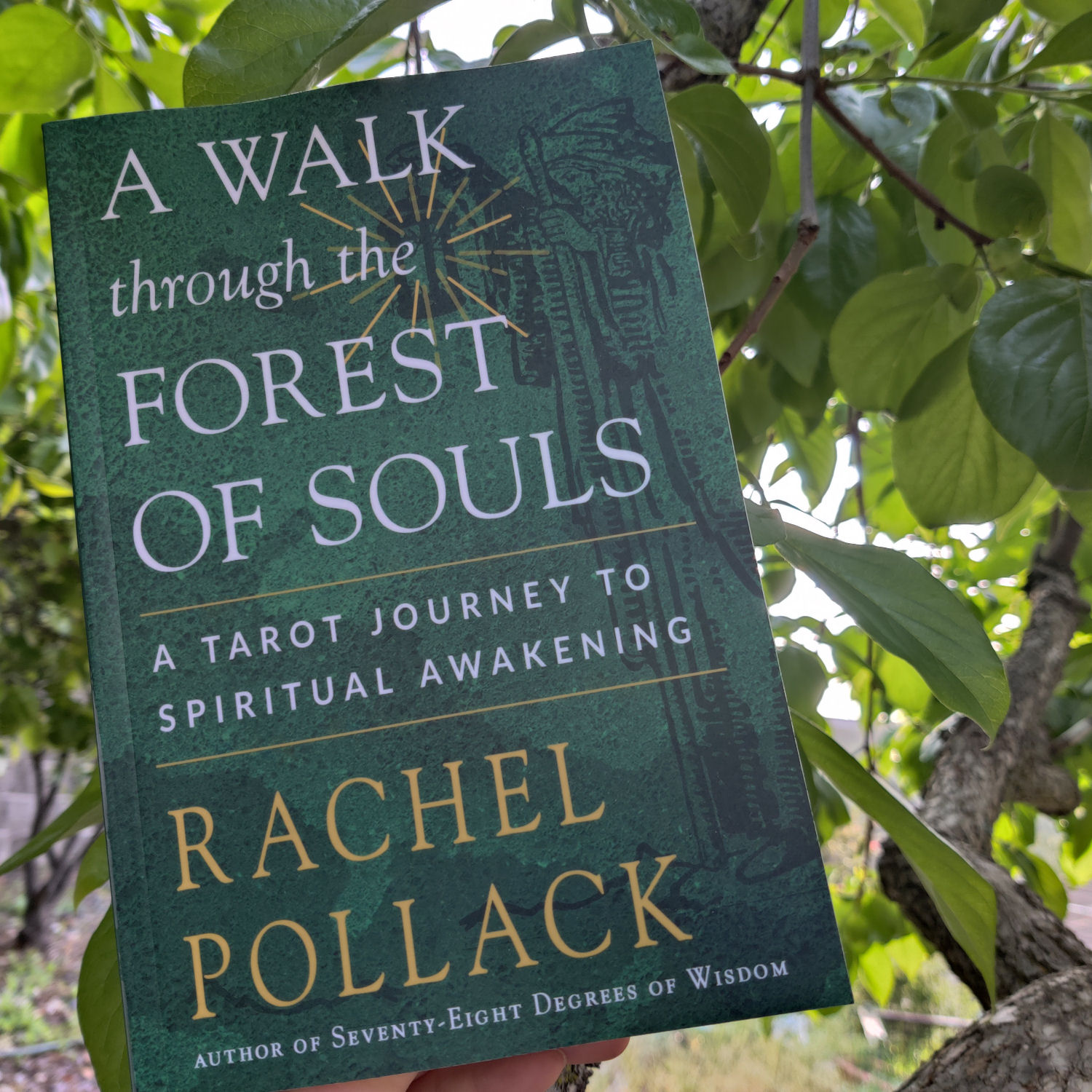
Carolyn Cushing and Jenna Matlin, in collaboration with Weiser Books, are hosting a series of content to celebrate the late Rachel Pollack’s re-release of A Walk Through the Forest of Souls. This is a day-long event for the tarot community, and you’ll find many contributors to this celebration.
The photos interspersed throughout this post are totally random, just for Pretty.
It would have made more sense for me to present this topic in video form on my YouTube channel, but I’ve been a bit under the weather with the flu, so my voice is scratchy, my nose is stuffed, and I don’t feel like putting on makeup. A blog post will have to suffice.
You’ll have to watch these videos first because what they have to say is what I’m referencing throughout this write-up. By the way I hope you’ll like and subscribe to them all as I have. ❤
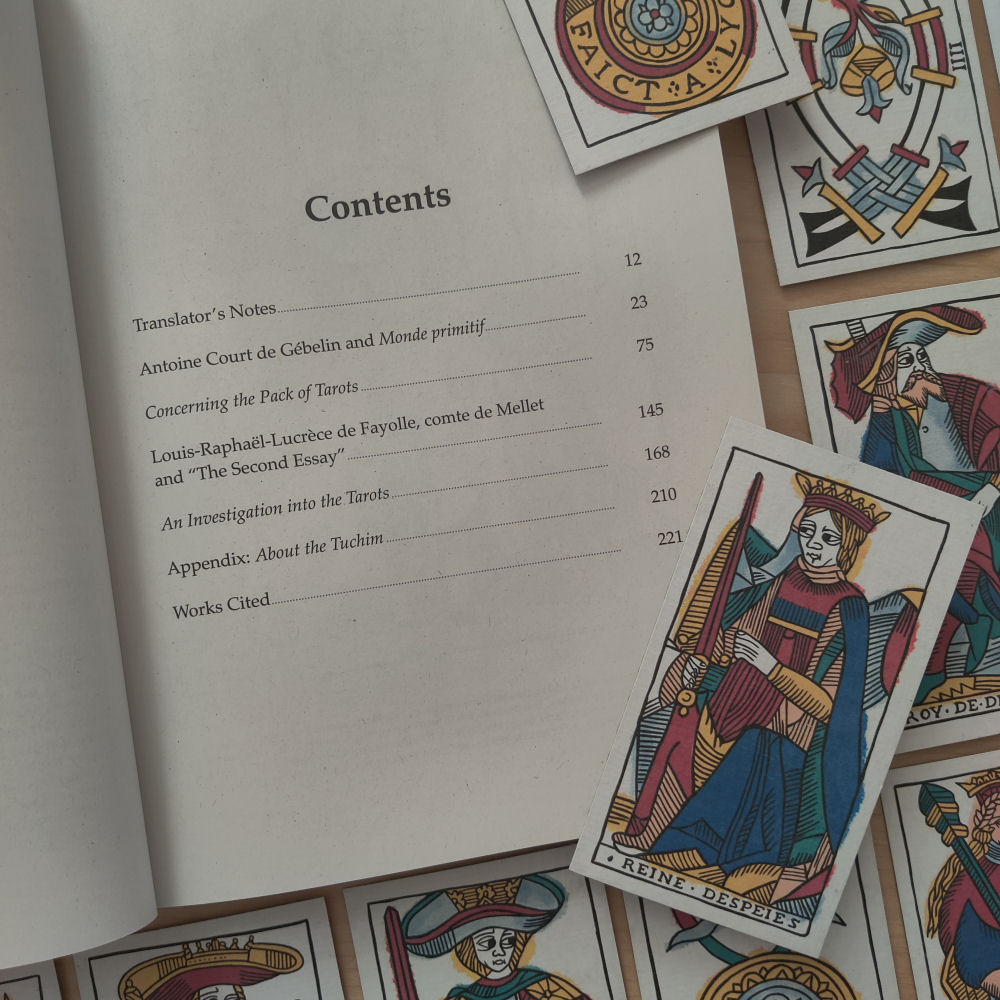
David Vine is one of those rare treasures in the tarot community. Combining his academic training, knowledge of the classical languages, medieval literature, and art history with a passion for the tarot, Vine has translated several seminal French-language tarot texts, and Vintage Tarot Texts, Volume 1, is one such treat.
Just a random comment– A beautiful touch in this edition are the captioned historical illustrations throughout, such as this print of an array of ancient sistra and rattles. I so appreciate the added illustrations.
Volume I consists of seminal essays on the tarot by Court de Gebelin and comte de Mellet. The first text to address tarot at length in a symbological context was by comte de Mellet, and thus in one sense, his work is the foundational document for everything we have come to understand about the esoteric tradition of the cards.
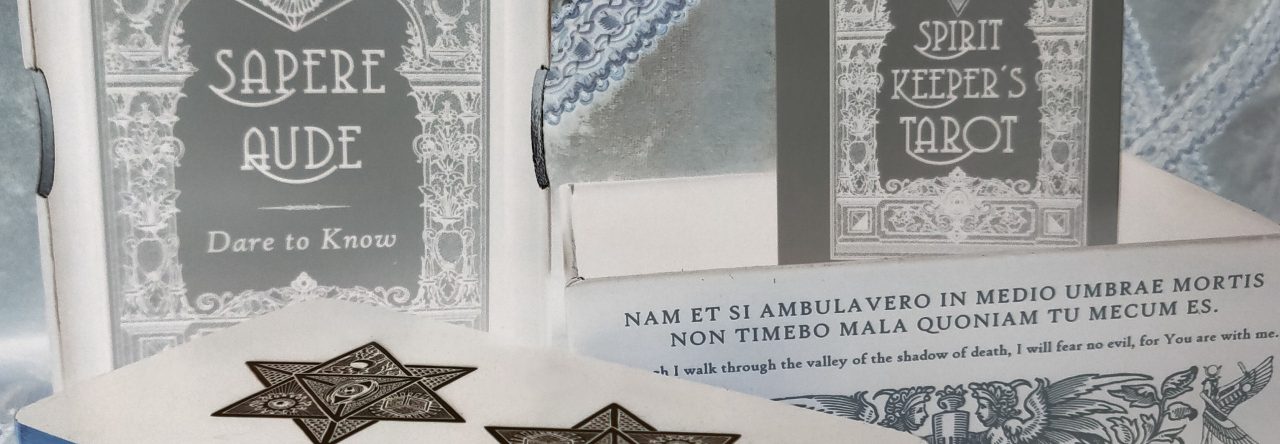
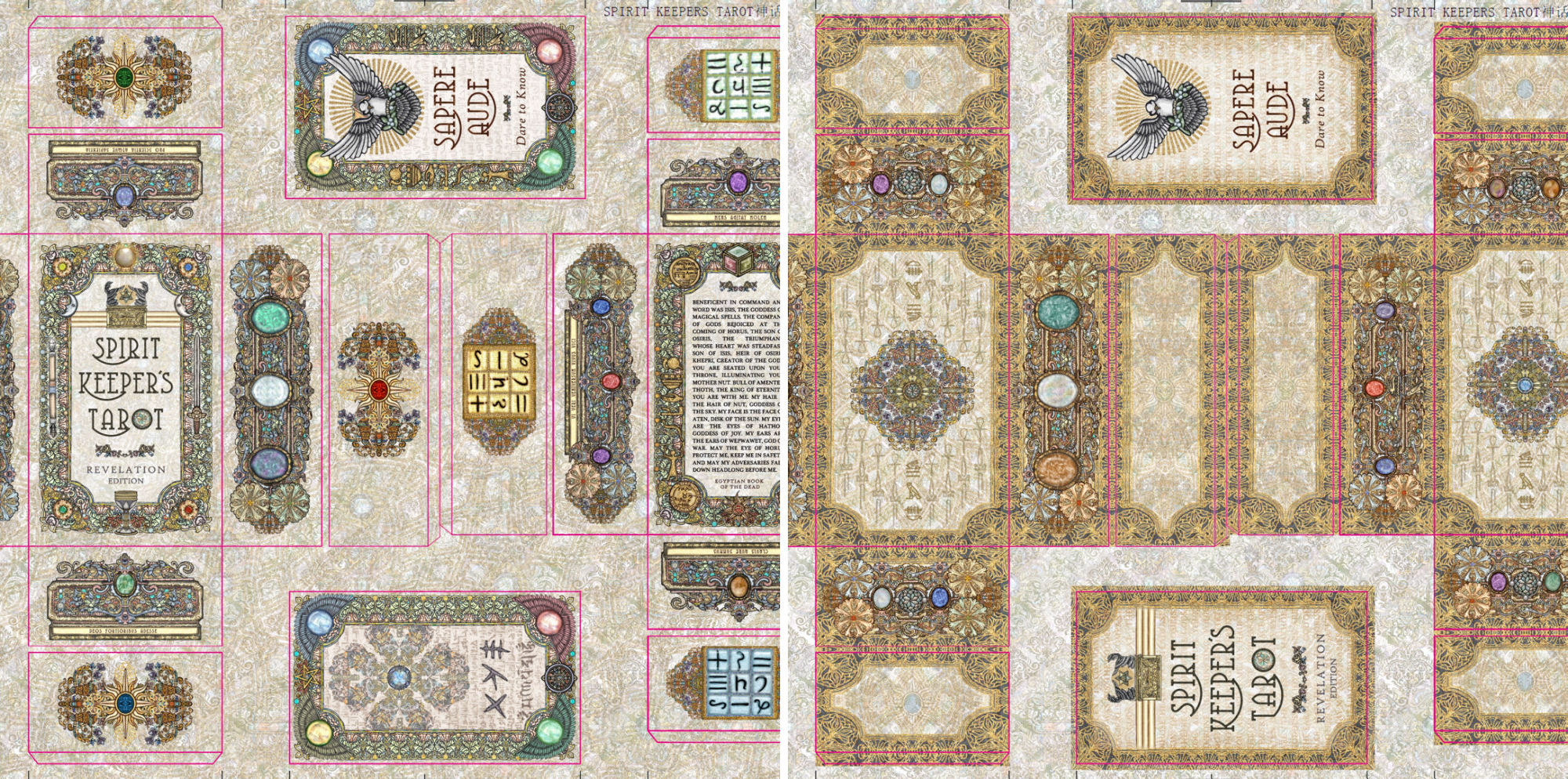
If you pre-ordered the 2nd printing of the Spirit Keeper’s Tarot: Revelation, then your input is requested. And… so sorry… I need it, like, in the next 24 hours because I’m about to submit to the factory and start the production process.
UPDATE: Visit here to see the final proofs for the second print run box design.
Lisa Hunt’s art style is one of my favorites, with its intricate detailing, expressive features, and delicate grace. What she does with watercolor is nothing short of spectacular.
Hunt had mainly done high fantasy and mythology-inspired art in the past, so to see her take on the traditional American landscape painting is a treat. Look at how she rendered the quilt patterns in the Eight of Pentacles, the softness yet precision of Hunt’s lines.
The Pastoral Tarot celebrates the idyllic life of small towns of New England and the Mid-Atlantic, through the countryside of the Mid-West, and the coastal regions. Each landscape piece is a scene out of Americana, a call back to 20th-century North American life.
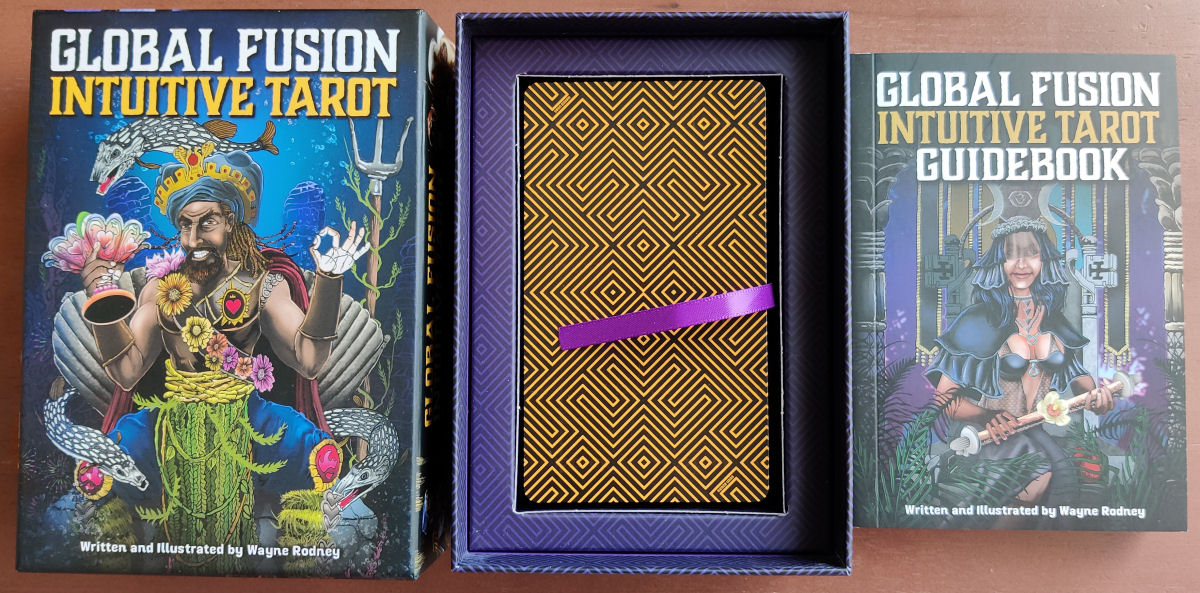
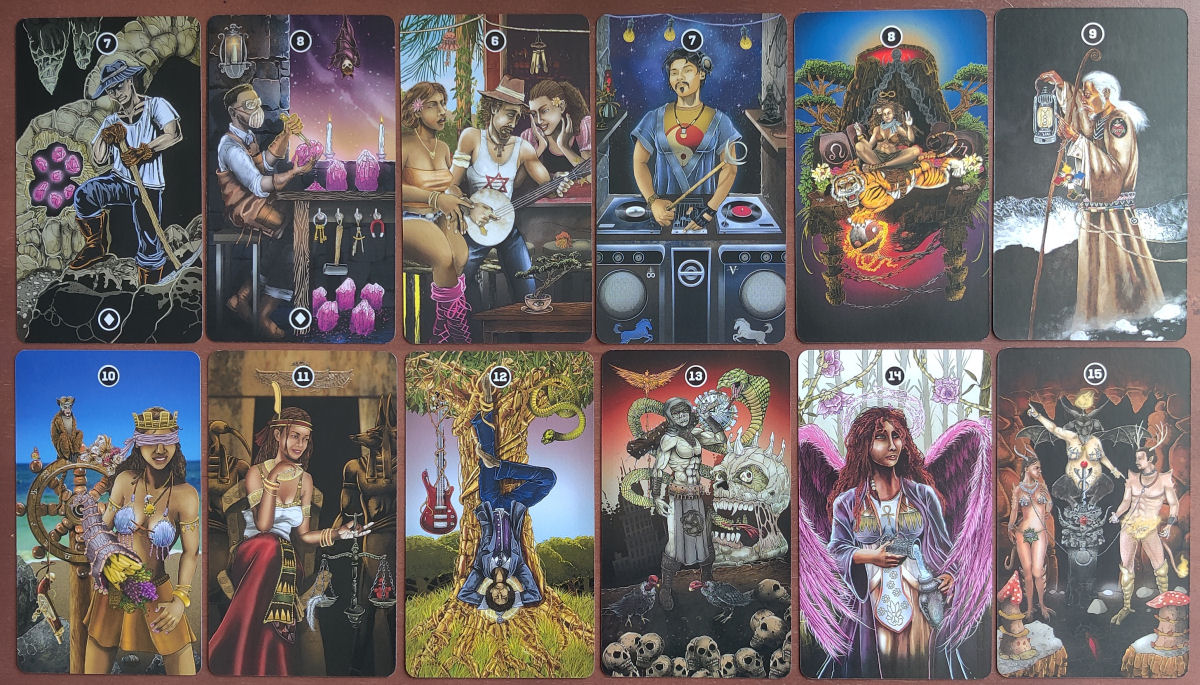
Wayne Rodney’s Global Fusion Intuitive Tarot is quickly becoming one of my favorite contemporary tarot decks. If you want a case study for diverse representation in tarot art done well, look no further than Global Fusion.
Rodney is a Jamaican American painter and illustrator who runs a martial arts studio. As an artist his work is heavily influenced by Rosicrucian mysticism, values of cultural diversity, and what I found throughout the Global Fusion Intuitive Tarot– Taoist metaphysics.
In this deck, Rodney orders the Minors before the Majors. The Sticks correspond with Wands or Clubs, expressing the traits of creative will and intuition. Of the four temperaments, he connects it to the Sanguine. Gems, Pentacles or Diamonds, signify the Phlegmatic, of the sensory and the practical. Vessels, Cups or Hearts, correspond with Melancholy, with emotions and feeling. Blades, Swords or Spades, signify the Choleric temperament, of reason, logic, and thought.
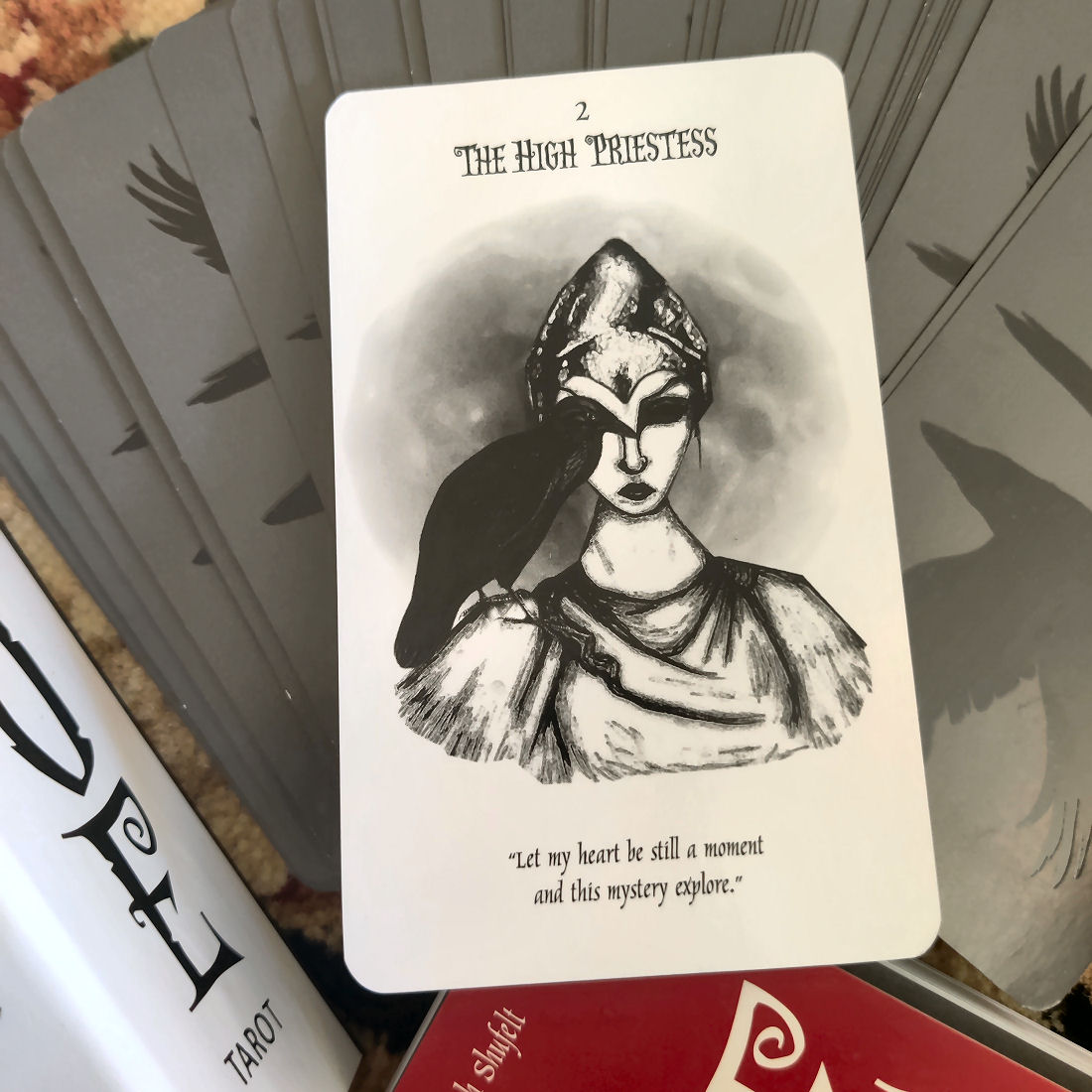
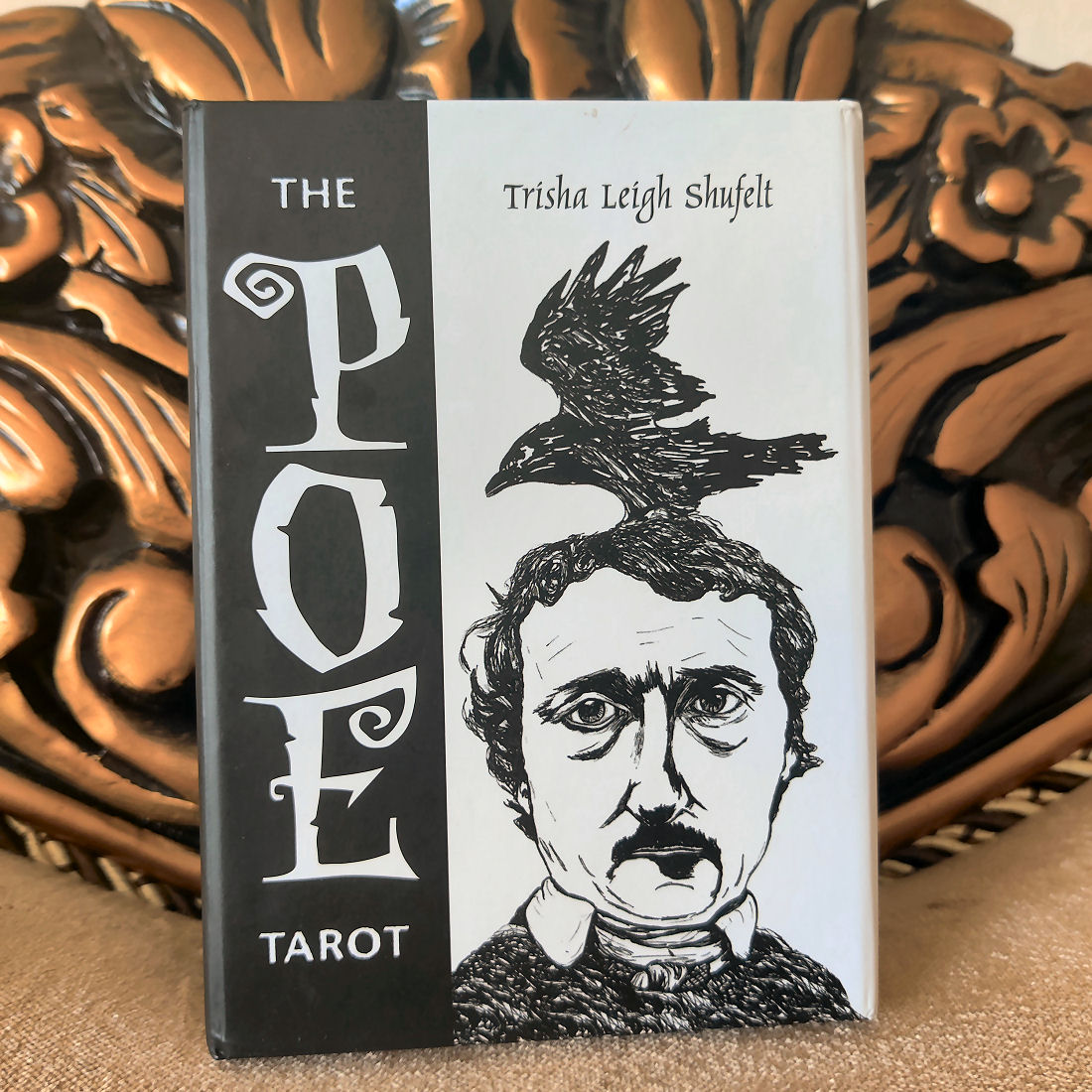
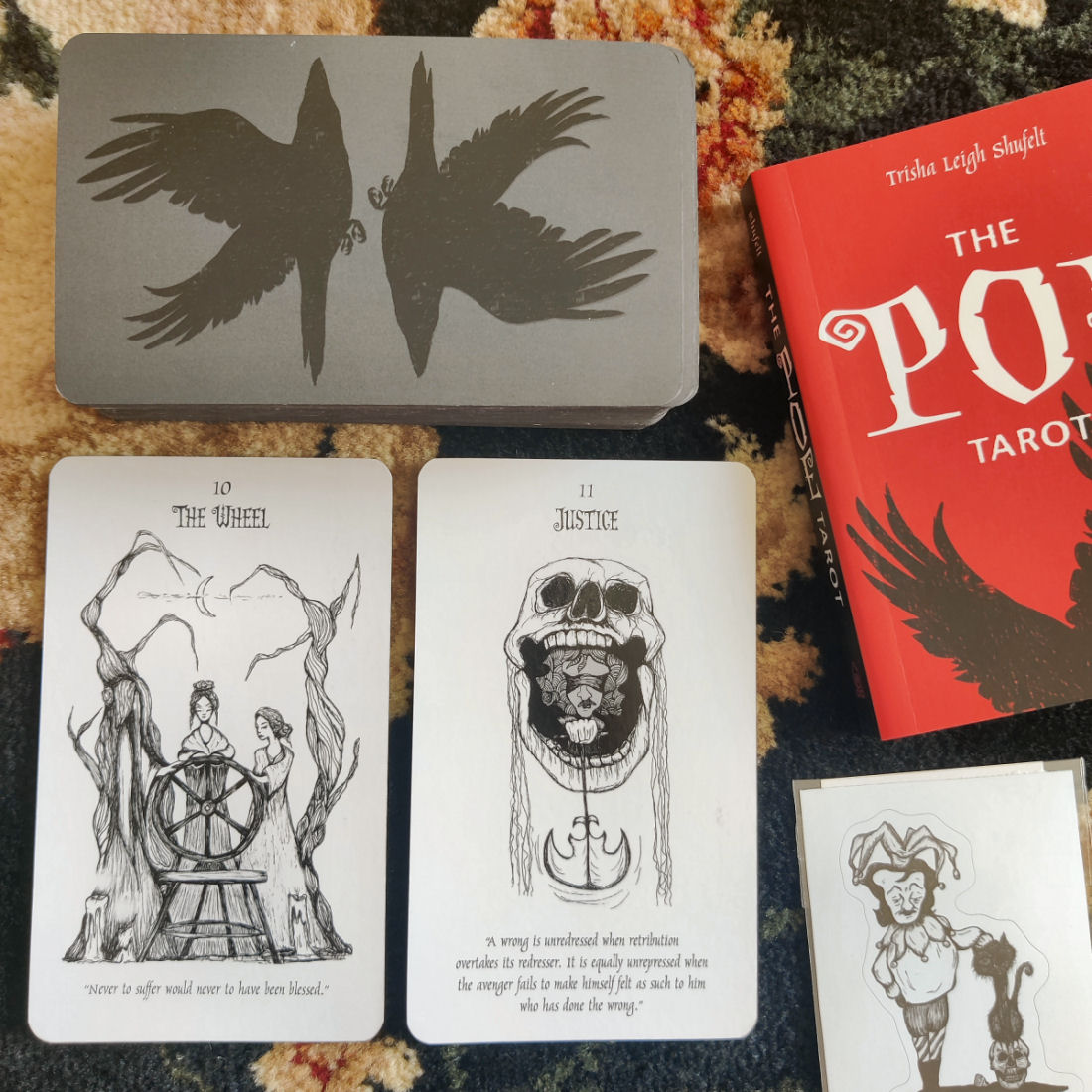
Published through Schiffer Red Feather, The Poe Tarot by Trisha Leigh Shufelt is a delectable black and white illustrated deck that I’ve been eyeing for quite some time. I was one of those kids who loved Edgar Allan Poe. I’m also a big admirer of pen and ink illustrations.
The raven resting on the bust of Pallas Athena.
And I really love a narrative-driven and thought-out tarot deck that has clearly been rendered with depth, passion, and copious amounts of research.
So it’s no wonder I’d take so easily to The Poe Tarot, which is all that and more. Bringing her depth of knowledge in Poe, weaves his life’s work, his struggles, passions, and motivations into the tarot, presenting each card as a lens through which you will ultimately find personal meaning.
The deck art illustrates scenes and characters inspired by Poe’s classics, from The Raven and Annabel Lee to The Masque of the Red Death and many more, bringing to life traditional tarot archetypes through a macabre meets whimsical 19th century pen and ink style.
For instance, the Six of Wells (Six of Cups) pictured above illustrates Poe himself reflecting on a portrait of his childhood sweetheart and fiancee before his death, Sarah Elmira Royster Shelton, with a quote from “Spirits of the Dead.” The composition itself was inspired by Poe’s short story “The Oval Portrait.”
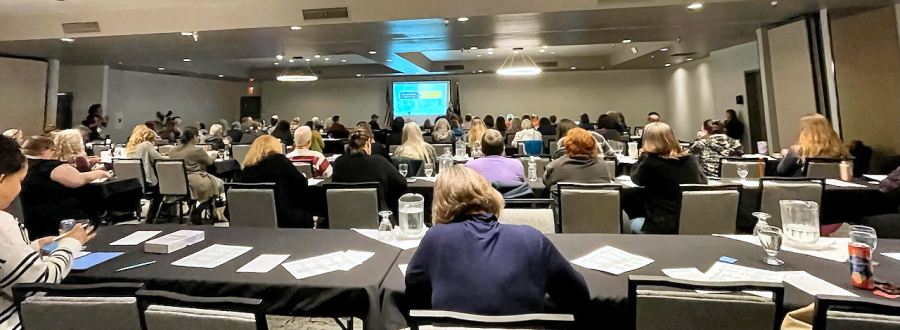
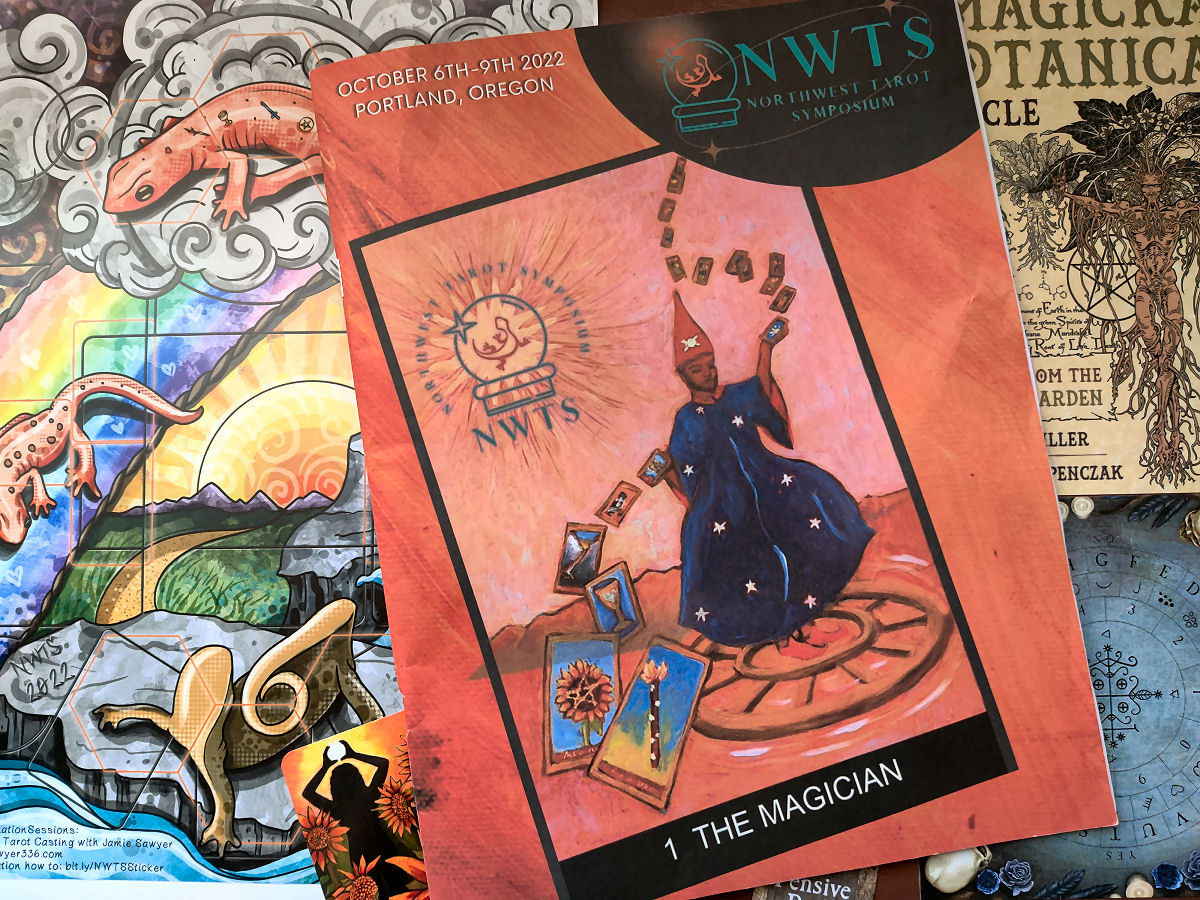
Whew! NWTS 2022 was a blast! This was Michelle and Roger of SoulTopia’s inaugural year as the organizers of NWTS, the Northwest Tarot Symposium in Portland, Oregon. And wow, what a comeback for NWTS, thanks to SoulTopia’s tireless efforts, persistence, and stewardship. This year, the tarot community really showed up for an impressive turnout, to the point where we might’ve outgrown the Monarch Hotel! Time for a bigger even more spacious venue? =)
Anyway, this is a casual recap of the event from my vantage point.
But since then there have been new developments in this subject area so I thought I might revisit the topic.
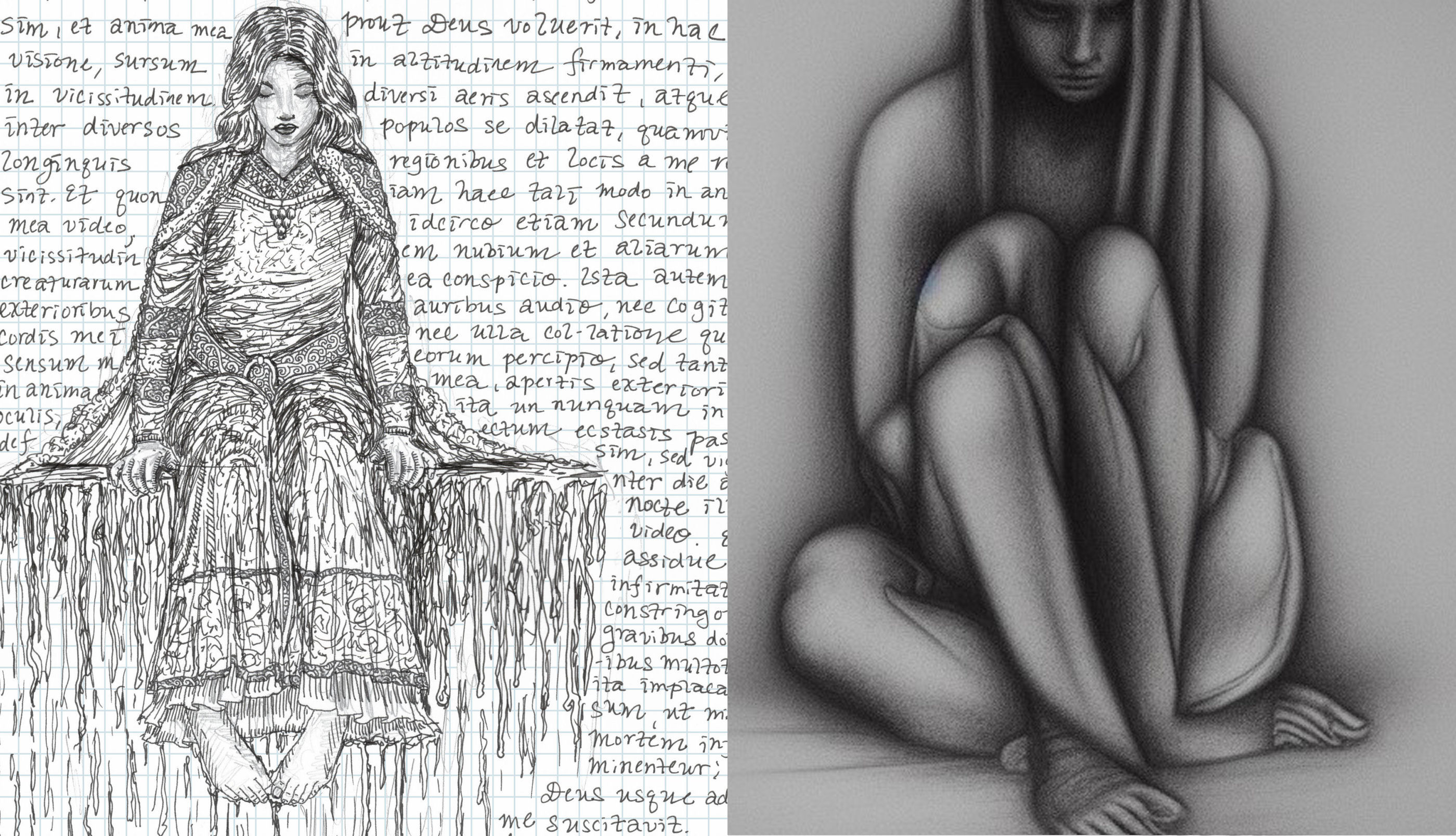
Left: My illustration, by hand in pencil and ink. Right: NightCafe, art style: “Charcoal”
Some Personal Dabblings with AI Art
Above to the left is a sketch I did by hand, first in pencil, then outlined in ink. I started with the following prompt, text I typed out myself and stared at for a good five minutes before putting pencil to paper: Solitude. Contemplating. Maiden in a moment of self-questioning.
I copied some text written by Hildegard of Binden on the transcendental experience of God, to fill the blank space. What you see took me two hours. Uh, tbh, probably longer than two hours. I lose track of time when I’m doodling. (The barely-there blue grid lines was added digitally, because that’s just something I like to do when I share my doodles to the public.)
What you see to the above right was produced via NightCafe, an AI art generator, with the same exact text as the prompt: Solitude. Contemplating. Maiden in a moment of self-questioning. I selected the art style “Charcoal” to see how close to a pen and ink sketch it could go. The illustration to the right took the program two minutes.
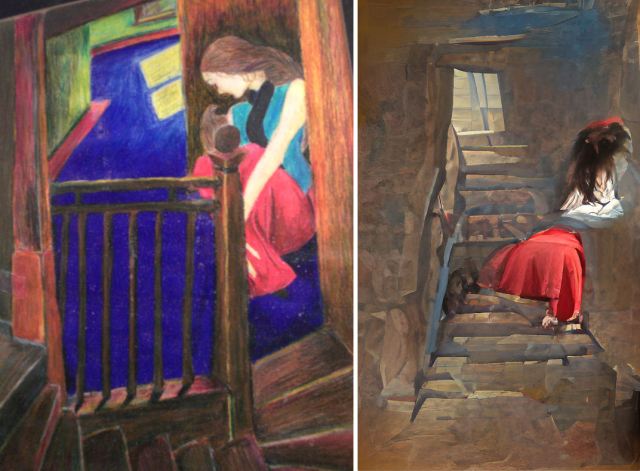
Left: High school art by yours truly, from the 90s. Colored pencil. Right: AI generated art based on text description of illustration to the left, via Wombo
I’m fascinated by how similar the interpretations were, between me, a human, and AI tapping in to collective knowledge. In fact, in the past I’ve drawn illustrations in charcoal very similar to what the AI produced!
The pose, the facial expression, the way the hair falls, the vulnerability– if I rummage through my old art portfolio from high school, I can excavate a charcoal or pastel drawing that looks more or less the same with that!
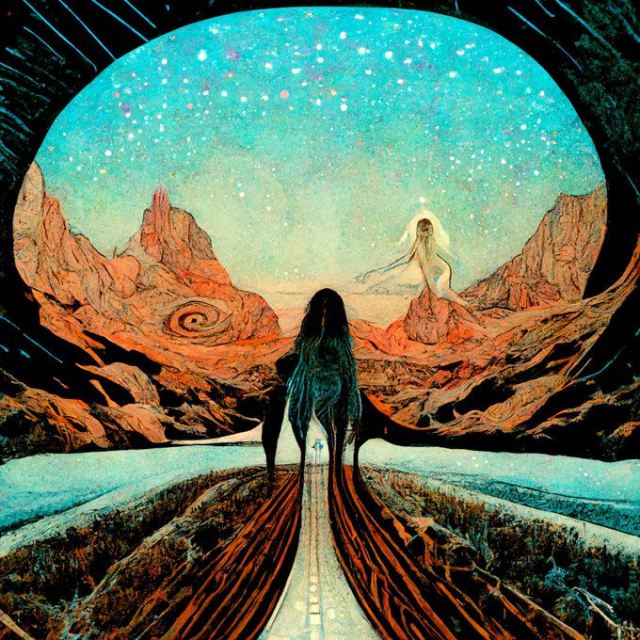
“You Are the Journey” by @KaliYuga_ai via MidJourney (AI art)
Does AI Art Lack Soul?
I explored the question “does AI art lack soul” here in an earlier rumination on the subject. In that blog post, I talked about how this advent of AI generated art has shifted my former paradigm on the mind-soul relation.
This declaration you’ll hear oft repeated — AI art lacks soul; AI lacks soul — is one I’m most apprehensive about. Perhaps we can say we don’t understand the soul of AI, but to declare that AI art lacks soul… I dunno. It doesn’t sit right with me.
I’m not convinced that these works “lack soul.” If I’m getting all psychic and woo, I might say the impression of the soul that’s present feels different from a human sapient soul, just like an animal’s sentient soul or a tree’s soul feels different. You hear people critique the evident style or aesthetic consistent in AI generated art, but just because you don’t love an artist’s style or technical approach doesn’t mean that artist suddenly lacks soul.
So while I have many conflicting thoughts about AI art, the accusation that it lacks soul isn’t one of them. If anything, I wonder if the full body of AI generated art is mirroring back something deep within us collectively, for us to see.
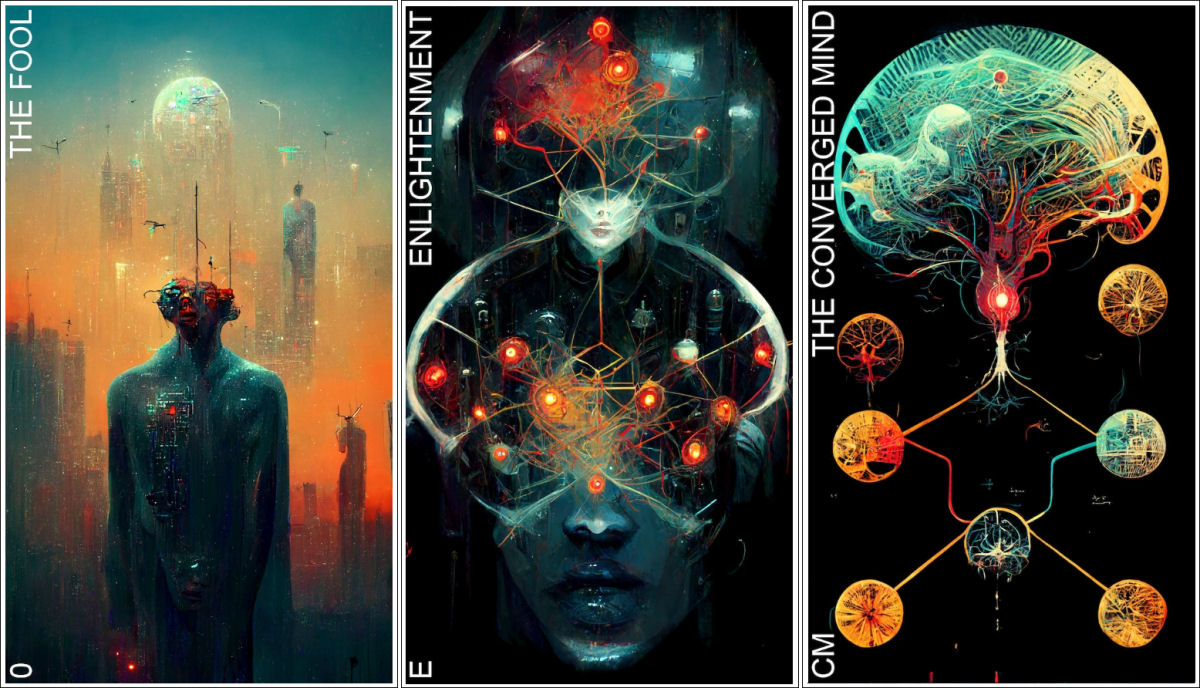
Technomage Tarot by Lee Duncan in collaboration with AI, via Kickstarter campaign (last visited 2022 Sep. 30)
A Rising Popularity of AI Generated Art Decks
Oh, and to illustrate what the community has been buzzing about with regard to AI-generated tarot decks (or in collaboration with AI) coming on to the market, I’ll feature several throughout this commentary.










 benebell wen