Frater Setnakh’s Tarot Coins and Archangels Set

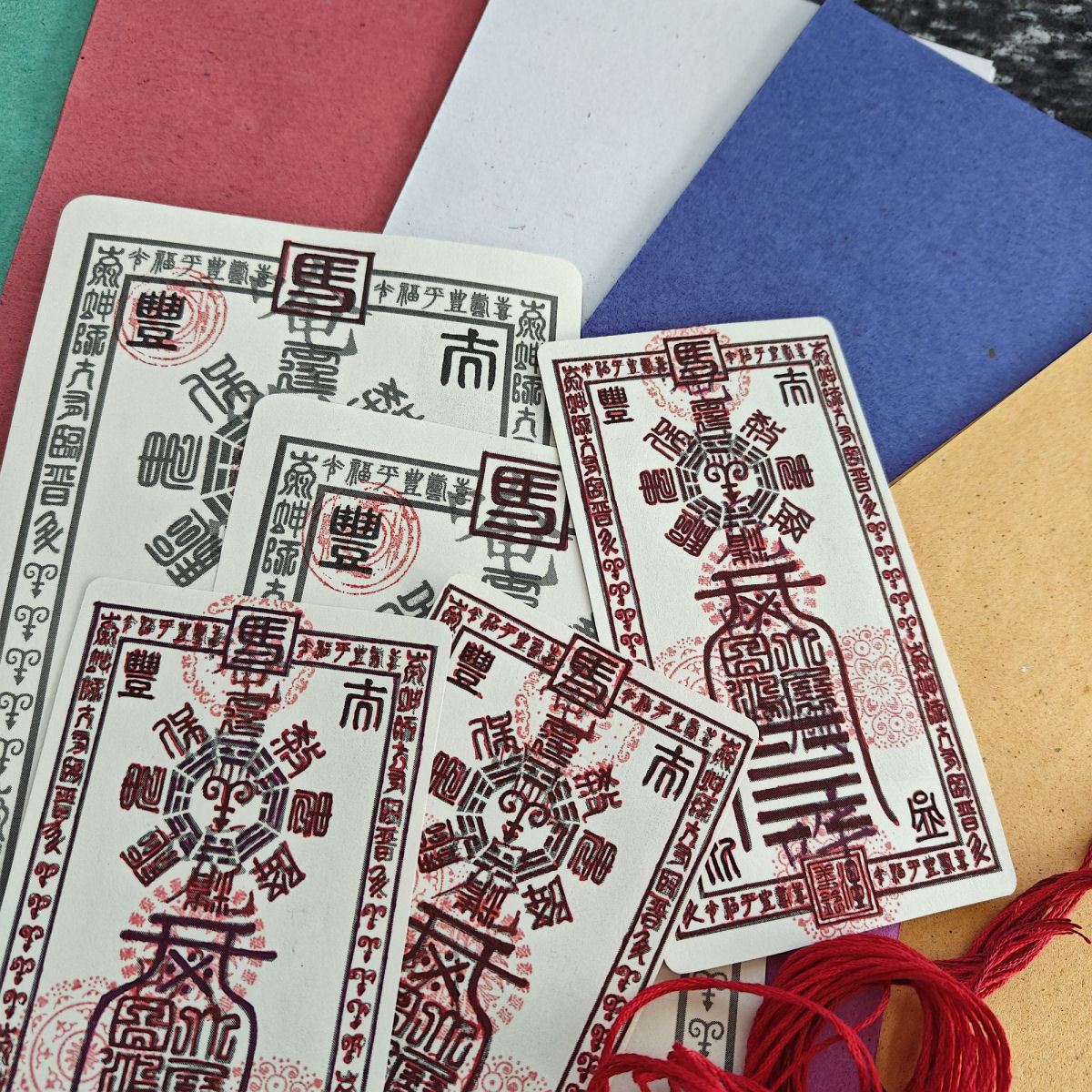
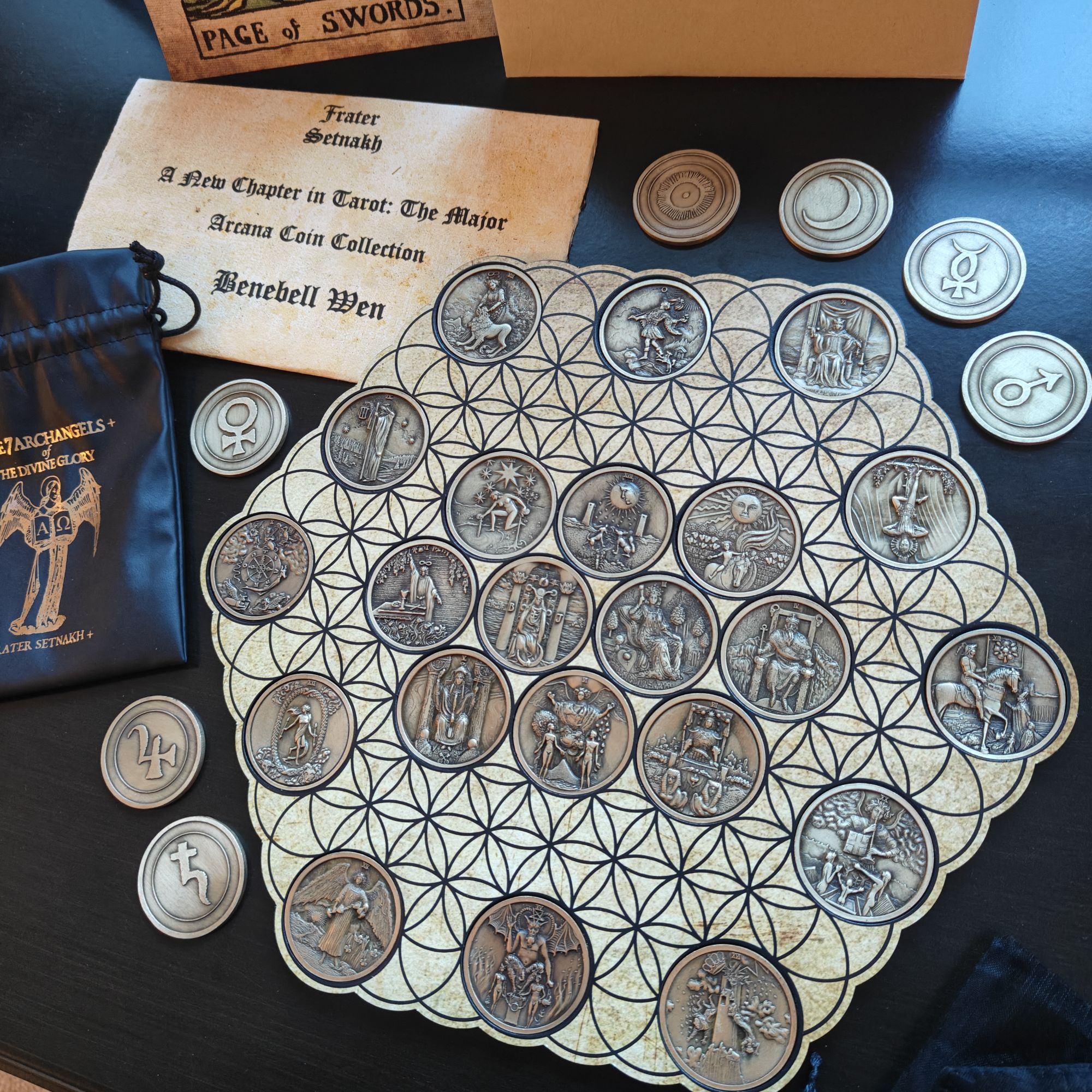
Frater Setnakh is one of the most incredible, detail-oriented artisans of ritual artifacts I’ve come across. I’ve previously reviewed the 72 Angels Talisman Coins and Cards he sent me, which I keep on display in my sitting room. Here I’ll be showcasing his latest offering, Tarot Coins, along with the Guardian Angel Coins, or Seven Archangels.

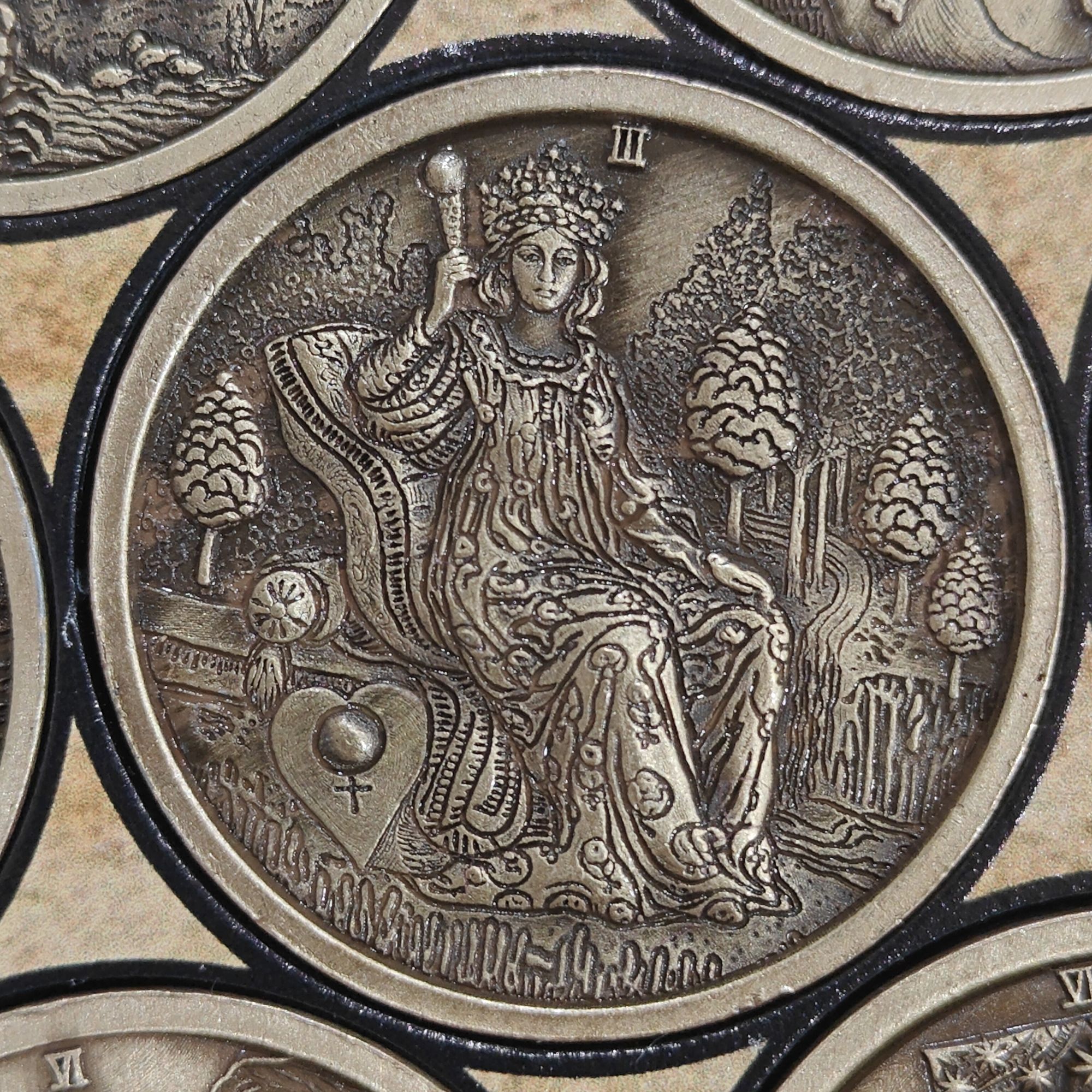
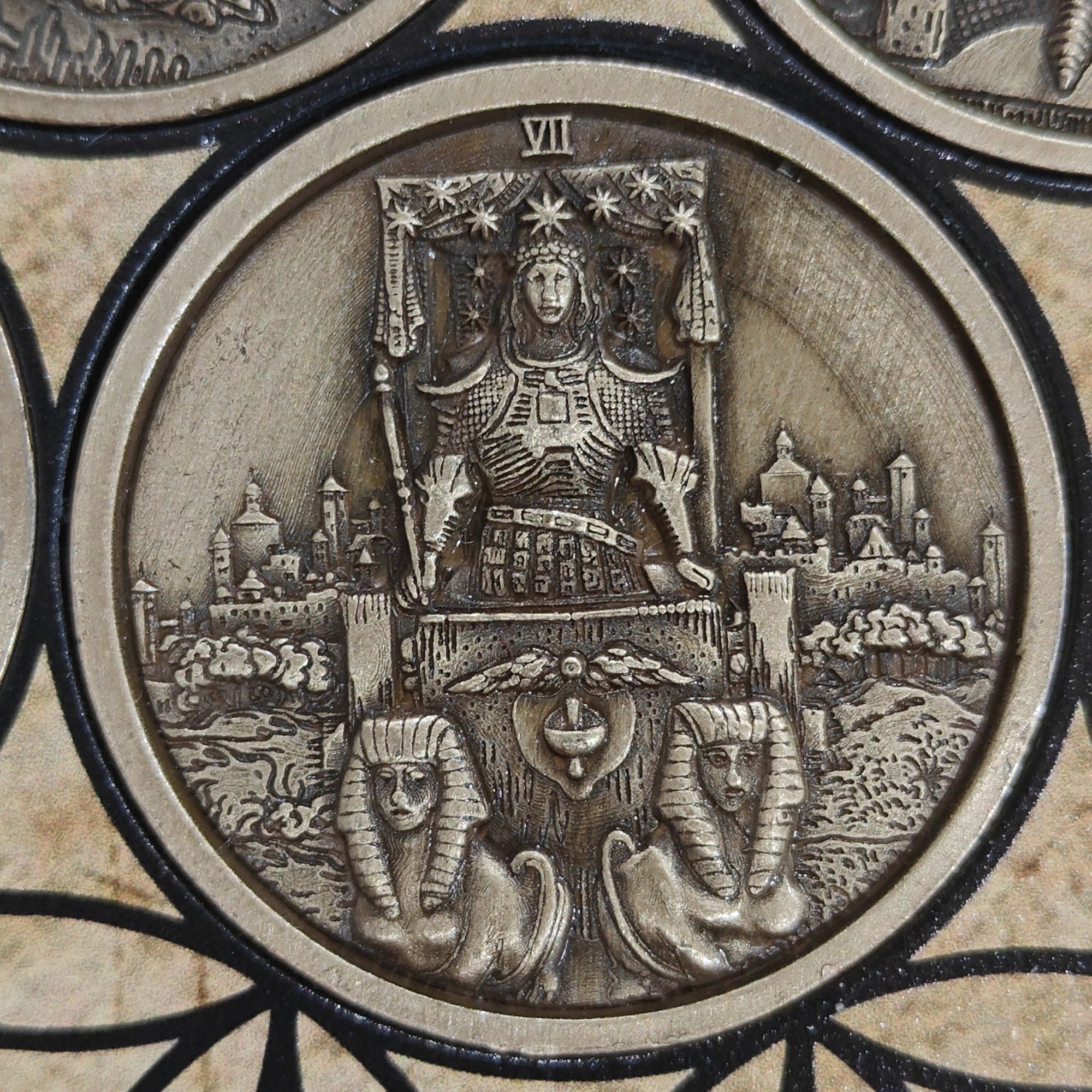
The detailing on these coins is incredible, so I’ll also be showing a zoomed-in view of several of the coins, photo essay style. You can click on any of the images and magnify the photo to see just how fine the craftsmanship is here and each coin’s delicate engraving.

Per the ritual artifact description, this is the “world’s very first collection of tarot coins inspired by the Rider-Waite deck.” And personally I have yet to see tarot coins crafted at this level of detail and intricacy. They’re simply exquisite.

Continue reading “Frater Setnakh’s Tarot Coins and Archangels Set”

Advanced Introduction to Taoist Alchemy

  1. Lesser Mandala of Heaven: A Taoist Secret to Cultivating Personal Power
  2. Greater Mandala of Heaven: Advanced Introduction to Taoist Alchemy

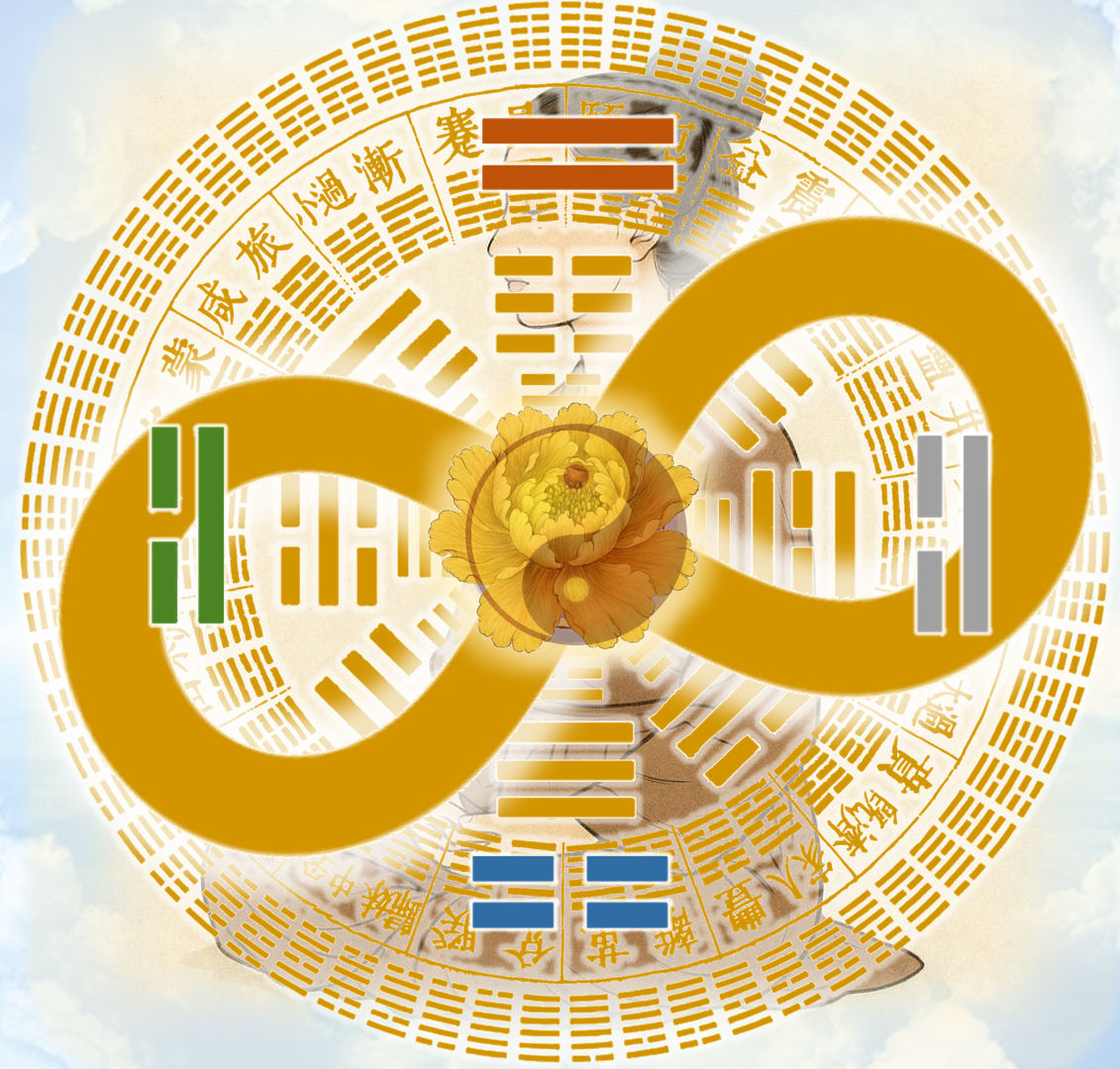
This is Part II of what we started in Part I on the Lesser Mandala of Heaven. Part II covers the Greater Mandala of Heaven, and in doing so, provides an advanced introduction to Taoist alchemy.

We are continuing from Part I, so I’ll presume you’re already familiar with what we covered there. If you haven’t watched that video lecture “A Taoist Secret to Cultivating Personal Power: Inner Alchemy Basics,” please do before proceeding.

In this introduction, I want to explore the inner logic that underlies one of the world’s most sophisticated (in my opinion) systems of spiritual cultivation. I intend for this intro to be a deep-dive into the heart of Taoist alchemy by delineating the Greater Mandala of Heaven.

The ultimate goal of Taoist alchemy is to transform the finite into the infinite, matter into spirit, and limitation into transcendence. We cover this ground by first understanding the distinction made between inner alchemy and outer alchemy.

Philosophically, this is a system and tradition that presents a compelling perspective on how Change happens.

Historical Textual References

In addition to the two texts mentioned in Part I, these are some of the oft-cited sources of insight on the Greater Mandala of Heaven 大周天. The titles are hyperlinked to the full texts over at ctext.org (the Chinese Text Project). While CTP as a site has its limitations, it’s one of the best free, accessible, and online databases for primary sources of pre-modern Chinese texts, so it’s the most user-friendly for folks like you and me.

Continue reading “Advanced Introduction to Taoist Alchemy”

Create Your Own Metaphysician’s Day Planner: Downloadable Templates

A few weeks ago I announced that we were retiring the annual Metaphysician’s Day Planner offering, after nine consecutive years of making them, each one custom-made to order with your birth chart and that year’s solar return chart. Plus the companion Metaphysician’s Guide that comes with the year ahead’s astrological forecasts, auspicious dates, inauspicious dates, and the dates to notable astrological or astronomical events.

Although we won’t be selling and making them anymore, we also didn’t want to leave you in a lurch, especially since we acknowledge that many of you have come to rely on it year after year. First, thank you so, so very much for your support over so many years. That’s amazing! Second, thank you for your understanding, patience, and sympathies that it’s just no longer feasible for us to be doing this, as our process is entirely manual and “old school” in this new world of everything getting generated instantly by digital automation.

I changed my mind and I am offering a “MDP Lite” version for 2026, which you can learn more about HERE. The layout design for many of the classic sections have been updated, and I will be updating some of the reference content as well.

You can still download the templates for the past day planner design and layout, however.

Continue reading “Create Your Own Metaphysician’s Day Planner: Downloadable Templates”

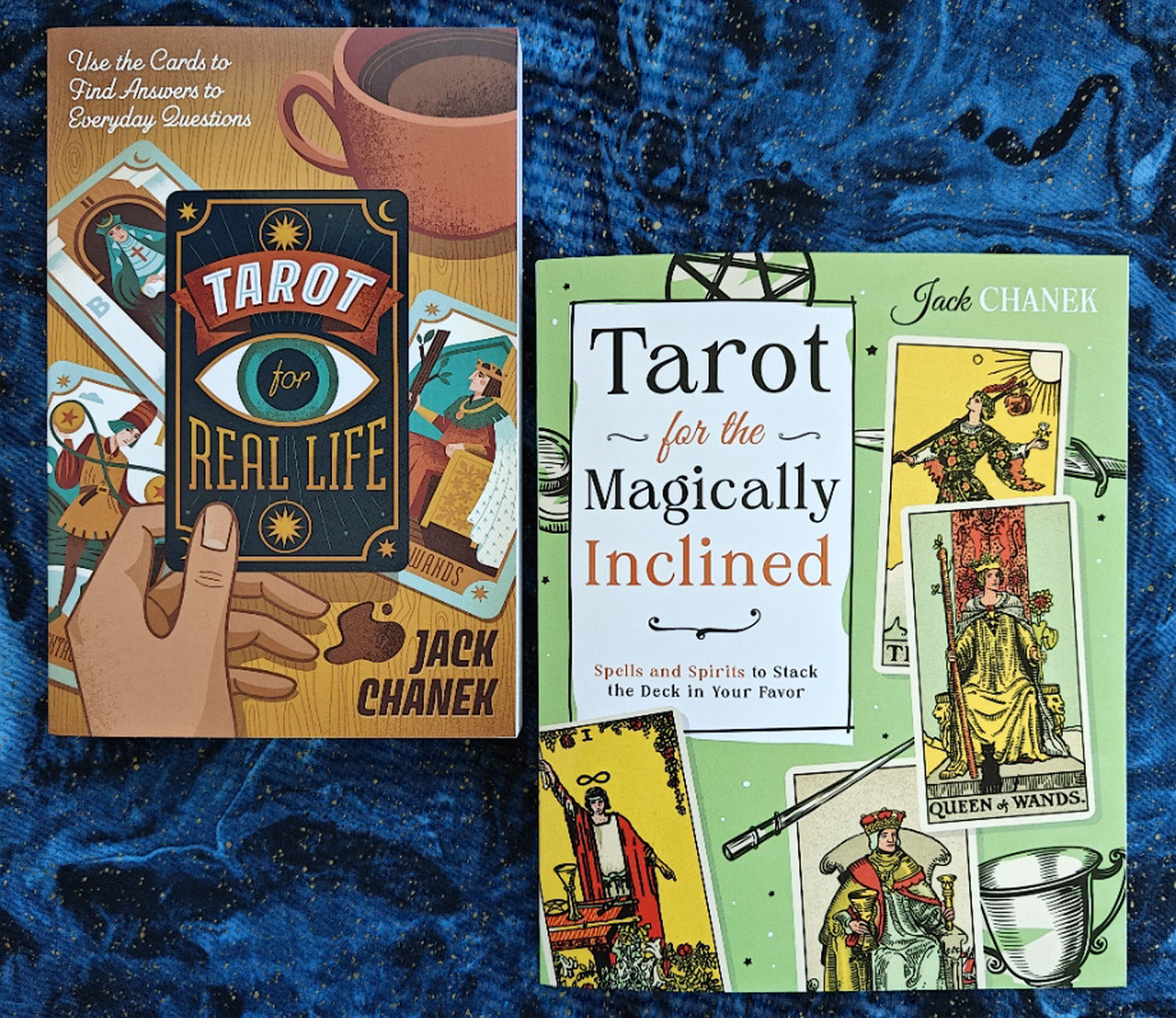
Tarot for the Magically Inclined by Jack Chanek

This is a wonderful sequel to Jack Chanek’s Tarot for Real Life, a down-to-earth primer that de-mystifies the tarot, whereas here in Tarot for the Magically Inclined: Spells and Spirits to Stack the Deck in Your Favor, we delve straight into the mysteries of the tarot.

Continue reading “Tarot for the Magically Inclined by Jack Chanek”

On Preventive [Spiritual] Care: Nine Precepts of the Healer

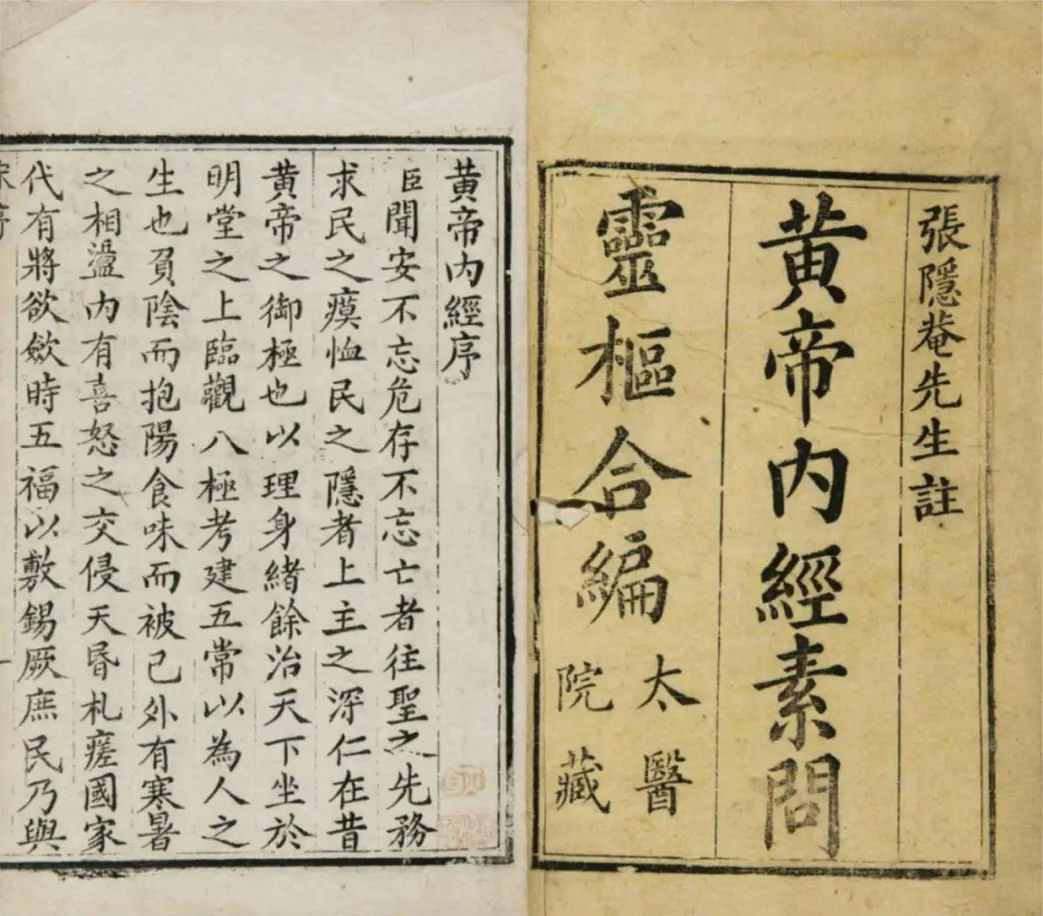
There’s this section in Chapter 9 of The Spiritual Axis (Ling Shu) from the classical medical treatise Inner Canons of the Yellow Emperor (Huangdi Neijing), which in canonical versions is often designated as Verse 27 that I love for many reasons.

Nine universally applicable precepts of healing can be extracted from Verse 27. The way they’re worded, you can interpret them through different lenses and they still hold true. The verse functions as axiomatic to acupuncture, and to both the ancient and the modern healthcare provider.

You can read it through the lens of how to ensure physical health, and also how to ensure mental, emotional health, and — as to the primary scope of work I operate in — to spiritual health.

If you’re looking at it as a road map for your own healing journey, it works. If you’re a healer of any stripe, these are nine clinical axioms for guiding patient care. You can look at these nine precepts as applied medical wisdom, or heuristics for clinical decision-making. They work as key tenets for helping a practitioner refine their diagnostic and therapeutic approaches.

And finally, in my view, these nine precepts can be instrumental to helping anyone set the foundation of their personal spiritual practice. It’s designed in such a way that you can account simultaneously for mundane physical health and hygiene tenets and for basic considerations in ritual or ceremonial magic.

Continue reading “On Preventive [Spiritual] Care: Nine Precepts of the Healer”

Chinese Shamanism Meets Taoism: The Hidden Link in 3,000 Years of Magic and Mysticism

Course Description

Let’s time travel and step into the mystical lineage of the Neolithic Wu 巫 shamans that laid the foundation for Taoist mysticism. This free public video lecture explores the birth of Taoist magic and the enduring legacy of Wu shamanism. We’ll decode Taoist occultism as it is practiced today to reveal the hidden history of how shamanism shaped the mystical practices of East Asia, preserving and refining early shamanistic techniques into a structured magical system, giving rise to Taoist mysticism.

Taoism is the enduring legacy of the Wu 巫, and how their oft-forgotten roots and history have shaped the modern practices of spirit mediums, Asian modalities of witchcraft, and Taoist ritual magic today. We’ll bridge the gap between the ancient traditions we’ve inherited from the Yellow River cradle of civilization and modern mystical practices, presented in a way rarely explored in the English language.

This is Taoist witchcraft decoded, in reclamation of the Wu 巫’s shamanic practices of the Tao 道.

Continue reading “Chinese Shamanism Meets Taoism: The Hidden Link in 3,000 Years of Magic and Mysticism”

How Do We Reclaim Space? Challenging the Disproportionate Visibility of White Male Scholars in Indigenous Spiritual Practices

Whew that was kind of a long blog post title.

So here’s my conundrum. Recently I came across a highly visible, highly platformed video on Korean shamanism, by a white male academic. Don’t get me wrong– he did a fantastic job. It’s just that… a part of me does ask the question — why isn’t it an actual Korean shaman or mudang‘s video getting that level of visibility and exposure? Why is it when native practitioners talk about their traditions, their visibility and popularity is a small fraction of the view count that the white male academic gets?

Same goes for YouTube content on Taoism, inner alchemy, or esoteric Buddhism — the channels of white men garner the most visibility and occupy the top-ranking spaces. When it comes to educational content on Taoism and Buddhism, Western scholars overshadow the contributions of indigenous practitioners and Asian scholars. The imbalance has the impact of erasing lived experiences and native expertise, and all insights valued as authoritative are inevitably filtered through a white Western lens.

Worse yet, click into any of the lower-ranking videos on these subjects by native practitioners and skim through the comments section — you’ll find white men correcting the alleged inaccuracies of the native practitioners. Also, funny point — POCs can always spot the white dude in the comments section, irrespective of what profile photo or handle they use.

I call this a conundrum because I don’t have a clear solution — it’s a tension between inclusivity (welcoming all voices and perspectives on my lived tradition) and protecting marginalized voices (when the white male voice and perspective talks over the voice and perspective of the lived tradition). Notice how it’s always a white guy who says he knows the most authentic version of the tradition that is not even his to be authenticating, or how his interpretation of a sacred text that he’s appropriating is more accurate. He hijacks the culture and then positions himself as the expert.

At best, a POC is given secondary, lower-level credit for the purpose of validating the expertise of the white guy standing center stage. Not to mention, a POC voice is only platformed if they agree with the Eurocentric point of view. If a POC expert dare challenge established Western expertise — just watch what happens next.

Continue reading “How Do We Reclaim Space? Challenging the Disproportionate Visibility of White Male Scholars in Indigenous Spiritual Practices”

Is AI Validating Psychic Ability?

This is here because blog posts need to be accompanied by images, as you very well know. I typed into ChatGPT the following prompt: “Create an image that is an artistic expression of the [__one-word summary of main occupation, e.g., author, attorney, artist, etc.__] [__name__] based on the published works they’re most known for, public persona and platform, and publicly accessible information about this individual.” This prompt might generate text only, in which case your next prompt will be “Create an image that is an artistic expression of [__name__] based on the foregoing analysis and assessment.” Left image is what ChatGPT produced when I used my legal name and profession of attorney; right image is what it produced for the author Benebell Wen.

Long before AI came on the scene, I had already been wondering if maybe psychic ability in humans wasn’t as woo as we thought, and really, it’s just a rare few people’s brains being able to process “big data” they were somehow downloading from a collective unconscious, spot patterns, and synthesize that data in a way that now appears to the average person as predictive or supernatural.

These algorithms that seem to know exactly what we want to see, who we are, our preferences, core identity, innermost wants and values mirror what people often say about psychics and mediums– “She [the psychic] knows me better than I know myself!”

I believe clairvoyance, clairsentience, and claircognizance are simply functions we have yet to fully understand in a clear, practical way. But really at the heart of it, it’s just cognitive science and pattern recognition, much like what powers AI.

Continue reading “Is AI Validating Psychic Ability?”

An Overview of the Taoist Grimoire Baopuzi

The Baopuzi 抱樸子 (circa 300 – 343 AD) by the celebrated alchemist and polymath Ge Hong 葛洪 is a Taoist grimoire that I would posit to be the most if not one of the most influential and impactful texts on Taoist mysticism.

Scans of the text you see in this video are from here [四部備要], this copy of it archived between 1924 and 1931 as part of a national effort to preserve essential ancient Chinese texts. You can also access a digitized version of it via the Chinese Text Project, ctext.org here.

This write-up is the companion blog post to the video to provide some additional notes on the Liu Jia Secret Mantra and other fun (to me) tidbits from the Baopuzi.

Continue reading “An Overview of the Taoist Grimoire Baopuzi”

Witches Among Us by Thorn Mooney – Contemporary Witchcraft and Wicca

I’m a huge Thorn Mooney fan. I’ve been following her work since, gosh, over a decade ago when people were still uploading grainy YouTube videos of late-night ramblings about the Craft. Witches Among Us: Understanding Contemporary Witchcraft and Wicca (Llewellyn Books, Oct. 2024) is her third book.

In writing Witches Among Us, Mooney wears dual hats: that of the religious studies scholar and that of a longtime practitioner with experience in multiple traditions. In reviewing Witches Among Us, I’m wearing the hat of someone who is witch-adjacent. I do believe I am within the target readership because I am not part of the in-group of contemporary witchcraft or Wicca, and therefore I am reading this book to learn more about that group.

Continue reading “Witches Among Us by Thorn Mooney – Contemporary Witchcraft and Wicca”