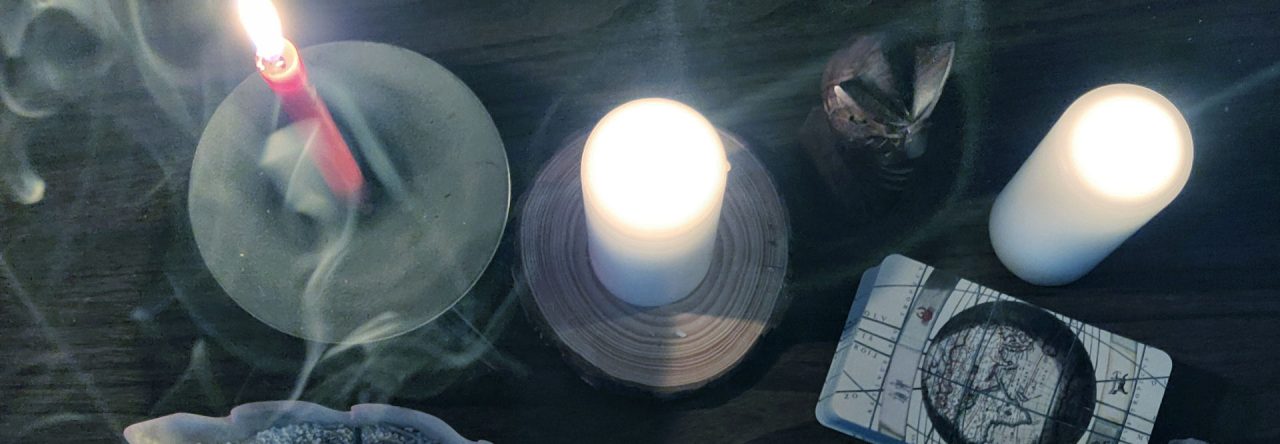
I Ching Divinations in the Month of December for a Twitter Follow

IMG_6134

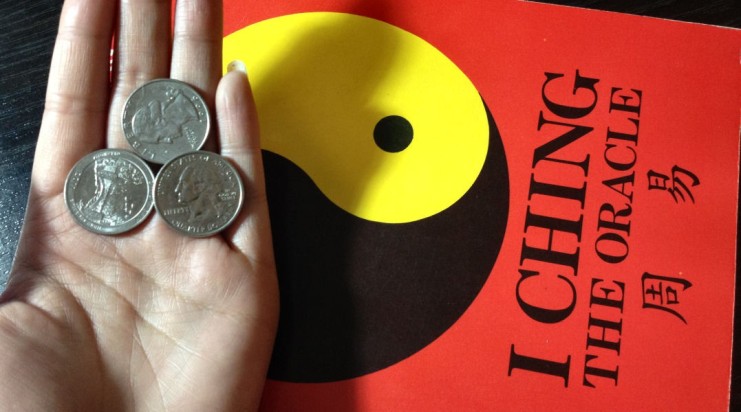
For the month of December, 2014, ending right before New Year’s Eve, I am offering I Ching divinations in exchange for following me on Twitter.

Okay come on. That’s like basically free, people. And if you’re already following me on Twitter, then it is free. Just let me know!

These are not full readings, by the way, and you will be meeting me half-way in terms of work. Let me explain.

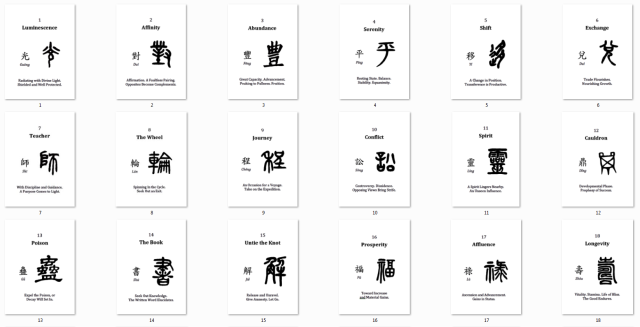
I’ve been tackling my own translation and annotations of the I Ching so that I no longer need to work off any of the current English translations. So that’s what I’ll be using for these divinations–my own work product.

To get your I Ching divination from me, here’s what you have to do:

Continue reading “I Ching Divinations in the Month of December for a Twitter Follow”

Pagan Practices and Chinese Folk Religions

1

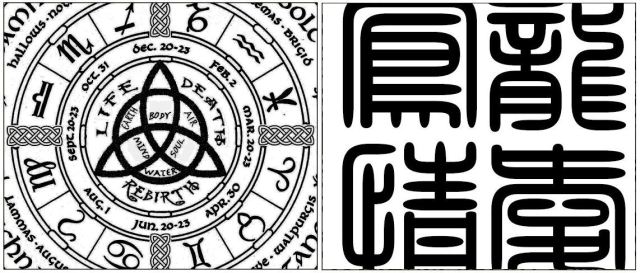
Left image of pagan Wheel of the Year from Biblical Connection.

Right image of a Taoist Fu sigil.

I don’t have educational degrees that would qualify me to write about any of this, so please understand that I am writing my observations within that non-expert context. Lately I’ve been fascinated with pagan and neopagan belief systems, mostly for how strikingly similar paganism is to Chinese Taoist-based folk religion.

Here’s how I understand paganism in context: Back in the day across Europe, Abrahamic religions rose to dominance, became institutionalized, and began setting up centralized bodies of authority that often started in the cities and spread its influence from there. At the fringes of the countryside, however, pagan faiths endured among the minority. These pagan faiths were polytheistic, though pantheist, strongly nature-based, and because they believed that everything was connected, it was thought that certain herbs, incantations of words, ritualistic conduct, and representations of elements could be harnessed to manifest intentions–in other words, magic exists.

Replace a few specifics from the previous paragraph and you could apply it to the relationship between Confucianism (and to a great extent Buddhism) and Chinese folk religions. These folk religions were looked upon in the same way pagan faiths were looked upon by the Christians. Those who practice pagan/neo-pagan religions (like Wicca, Druidism, Heathenry, or some form of pagan reconstructionism) tend to keep their faiths concealed or strictly private. That’s less of an issue among those who practice Chinese folk religions, and so you’ll see altars set up in Chinese businesses that still pay homage to the faiths of their [often agricultural] ancestors. However, like what pagans experience, those who still practice Chinese folk religions are considered fringe.

Continue reading “Pagan Practices and Chinese Folk Religions”

A Review of Wisdom of Changes: Richard Wilhelm & The I Ching (Documentary)

wisdom_of_changes_documentary

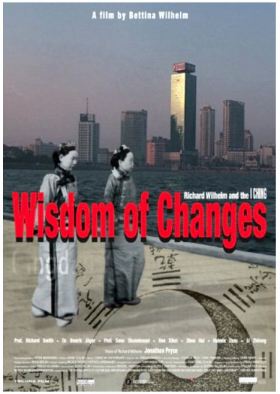
Bettina Wilhelm, the granddaughter of Richard Wilhelm (the man needs no introduction for any Westerner who has dabbled with the I Ching) directed a poignant, artistic, and sentimental documentary on the man who was her grandfather and who is credited with introducing the West to the I Ching. I selected the foregoing three adjectives with great care. The documentary through and through was poignant, artistic, and sentimental.

I admit not knowing much about the man prior to watching this documentary and walked away with great admiration for his pioneering spirit and independent mind. I admire his compassion and the contribution to and what seems to be genuine concern and respect for the welfare of the Chinese people while he was in China. I appreciate that he did not go there to baptize people and preach, but rather, simply practiced the teachings of Christianity with the hope that his actions would speak louder than words, which they did. The film is an incredible tribute to Richard Wilhelm and provides a great deal of historic context for the China he was living in and experiencing.

What made both Hubby and me uncomfortable, however, was the narrative arc of the documentary: white people shit on other culture and deem them heathens, abuse, torment, and treat them worse than dogs, and then lone white hero comes in, defies his own race, comes to admire the “simple” beauty of the “heathens” and, oh, saves them all. Statues are then built in his honor in said foreign land.

Don’t get me wrong it was not intentional and not for a second do I think that arc was intended by the director, but it is almost inevitable. I should even note that when Hubby was setting up the DVD for me, we had some technical difficulties, and while he was working on it, he skipped through sections of it while I wasn’t there. He told me he did so and I asked, “So what is your first impression of the documentary?” Said Hubby deadpan: “White people destroy China. One white guy doesn’t join in the destruction, however, and for not destroying someone else’s land and culture, he is venerated as a hero.”

Oh dear.

Continue reading “A Review of Wisdom of Changes: Richard Wilhelm & The I Ching (Documentary)”