There’s something about the Butterfly Lenormand by Mendy Dunn of The Artistry of Tarot that tug at my heartstrings. How I even came to hear about it was a bit of chance and serendipity. At the time, I really wasn’t on Tarot-Tube that often, but on that day, I happened to surf onto my YouTube homepage to look for something to play in the background while I did some house chores.
There was a tarot livestream going on, so of course I clicked onto it, and didn’t even think it through or look to see whose channel it was. And it just so happened to be a debut of Mendy Dunn’s newest creation– images from her Butterfly Lenormand.
Here’s a Hay House deck from 2016 that I’m about to give away, and before I do, I figure I’d take a final set of photos of the cards and post it here on this site as a walk-through. I no longer have any recollection of how I acquired this deck, whether it was gifted to me or sent to me by the publisher, so am unable to give an accurate disclosure. I’m fairly certain I didn’t buy it though.
Click on photo for enlarged zoomed-in view
The Keepers of the Light Oracle is positioned as “a powerful congregation of ascended and enlightened beings who are dedicated to the nurturing of the world.” This deck is like a rolodex through which you can call upon these spiritual intelligences.
This deck’s draw is its creator, Kyle Gray, a spiritual teacher, bestselling author, and angel communicator. Gray does really cool work and this deck is reflective of his eclectic, integrative spirituality that’s a fun blend of Christian mysticism and angelic communication with Eastern spirituality and an interest in a global pantheon. This is one of those accessible, uplifting decks depicting angels, ascended masters, gods and goddesses from diverse world traditions. And the art is really pretty.
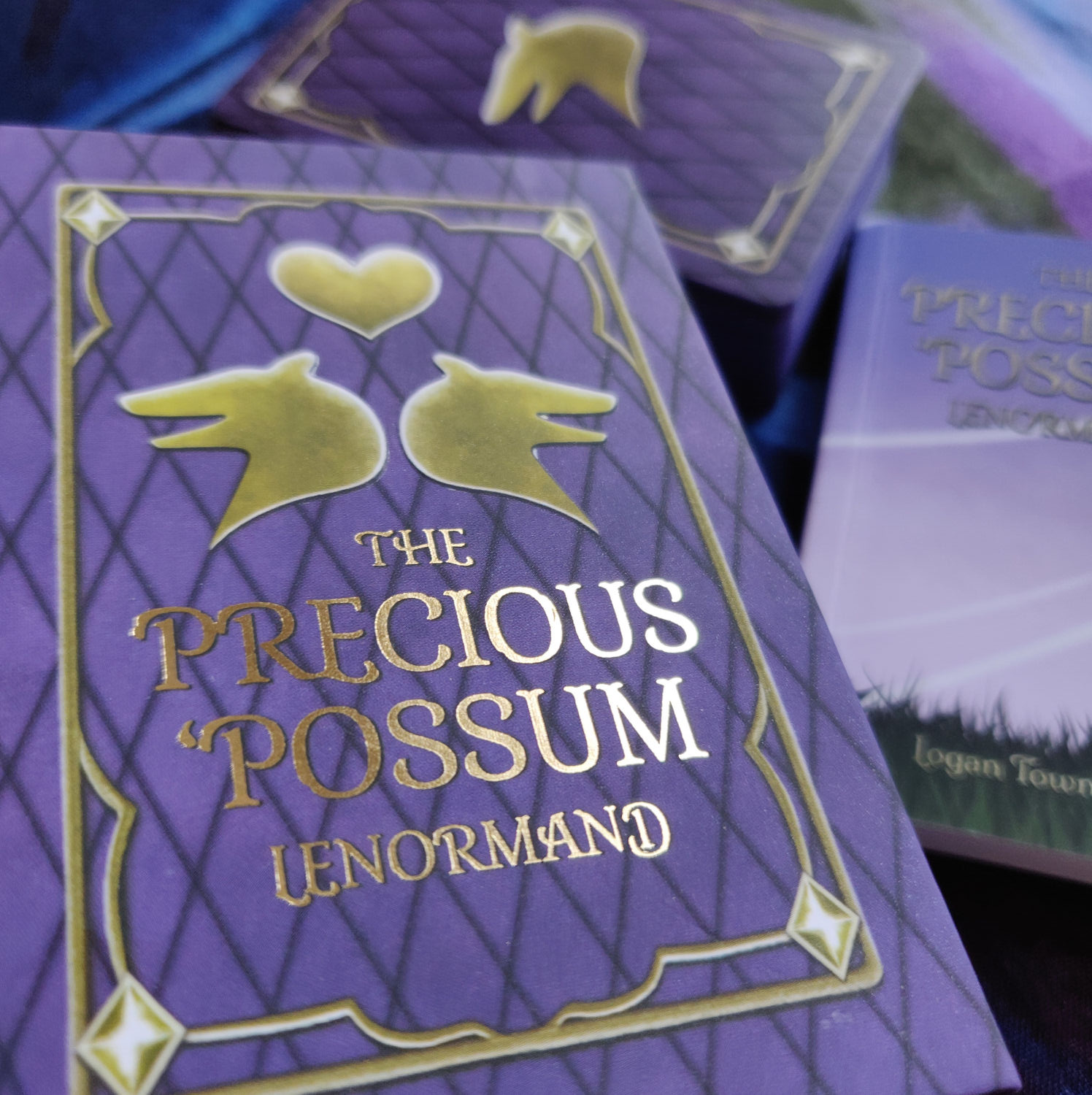
The Precious Possum Lenormand is one of my favorite little decks to tuck into my handbag and take with me on the go. I’ve taken it out to do fun readings for children and it has always garnered a positive reception. Heck, every seasoned card reader who sees these cards just gushes and squeals with delight.
With the Lenormand, there tends to be two schools of thought– there are fixed, assigned meanings to each card, because each card is only designated by a singular idea vs. of course you can read it intuitively, creatively, without limitation. The Precious Possum Lenormand encourages you to read the cards in a way that “honors your inner knowing.”
This is an oldie but goodie, and I thought I’d share a walk-through of the deck now that collaborative tarot deck projects are gaining in popularity. I mean, like, every third deck launched on Kickstarter or through a crowd-funding campaign these days has been a collaborative deck. Which is very cool!
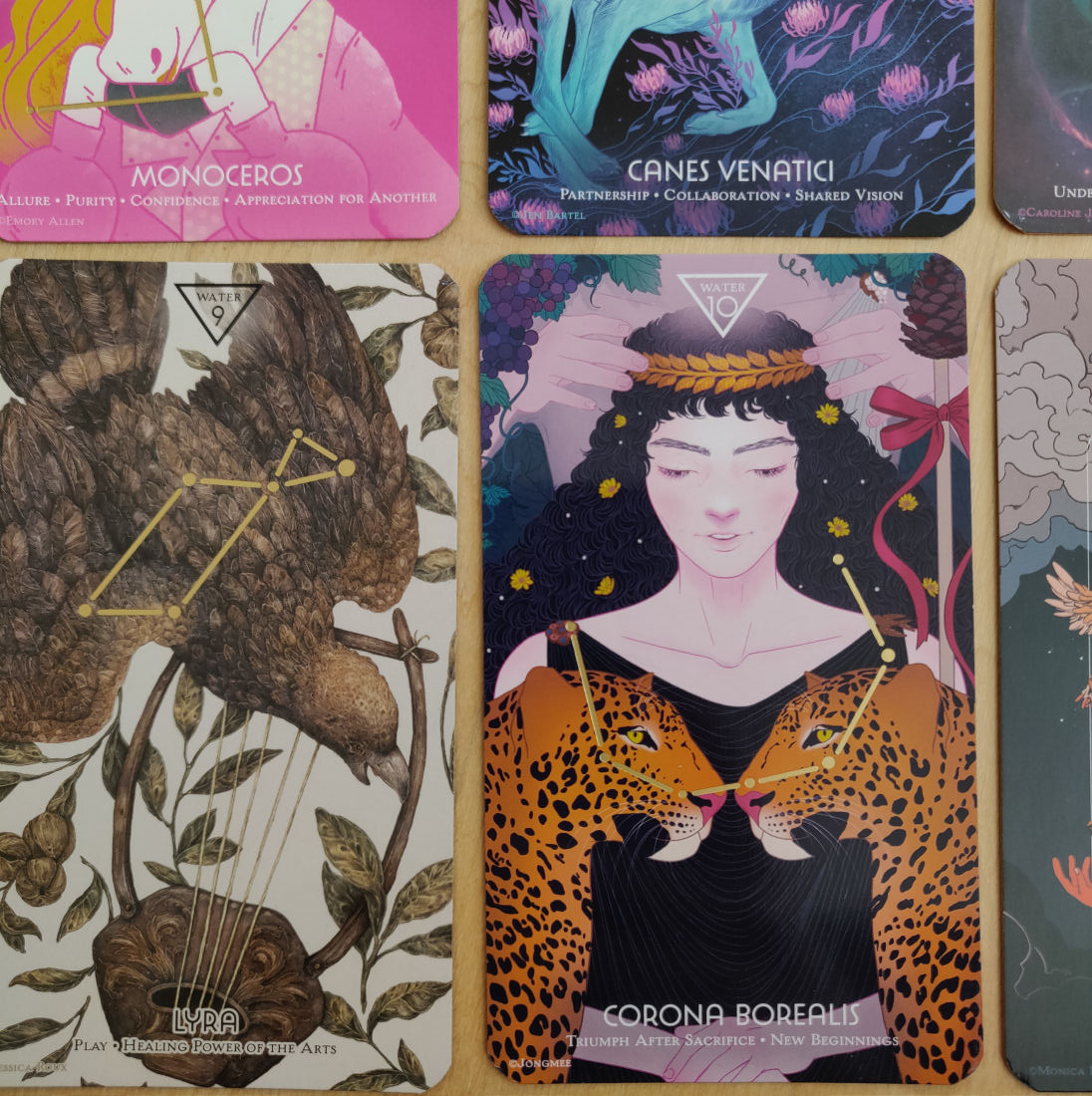
The Cosmos Tarot and Oracle is per the namesake– a two deck and book set, one deck being tarot and the other an astronomy-based oracle deck– that comes in a slim, handsome keepsake box.
The deck showcases modern constellations and celestial bodies in our universe, with many of those astronomical phenomena personified through classical mythology. These representations of our skies, in picture form, illustrated by over 100 different artists, produces a work of oracular potential.
The English Magic Tarot was first published in 2015 by Weiser Books. According to its tagline, this deck is “rumoured to be the very key to the English Hermetic tradition . . . here restored in full.” Okay, you have my attention. Keep going.
This deck places you in that heyday of English magic, between the end of the Renaissance and the beginning of the Early Modern period. These cards are set in the turbulent times of King Henry VIII and onward for about a century. The courtier on The Sun card is wearing clothing in the style of the mid-1500s, which the guidebook likens to Sir Francis Drake. Judgement features a giant Wicker Man going up in flames.
How would I describe the art style? Dramatic, hardboiled pulp fiction featuring swashbuckler protagonists set in 17th century England. Think John Constantine meets Three Musketeers with lots of mystery and mysticism. Also, with the mannerisms of 1950s comic book illustration.
Now let’s get into the depths of the tarot deck’s premise.
Wow. You want to talk about a handsome deck with high impact, let’s take a little walk-through of Ciro Marchetti’s Tarot Decoratif. The deck was first an exclusive special edition deck, but it’s now available via U.S. Games, and it’s worth your while to snag your own copy. This is just a quick walk-through of the cards.
In my photos you’ll see that the King of Cups snuck in front of The Fool. Marchetti’s deck piqued the Hubby’s interest and he took a look through the cards before I had a chance to see them, and so the cards got a little bit out of order.
You often hear from members of the tarot community how Ciro Marchetti decks seem to appeal more to men. So it’s funny to see it play out and fact-checked by the Hubby.
Premised on a theory that the early tarot features the Mysteries of the Cathars hidden in plain sight (intentionally ambiguous so as to avoid persecution by Roman Catholic authorities), this Marseille-inspired deck modernizes the pictorial stories of Christian Gnosticism in a magical realist style that combines color blocking iconic of TdM and the glamorous, ornamental, refined craftsmanship of Marchetti’s work.
Seed & Sickle Oracle by Fez Inkwright is a botanical lover’s dream deck. There are 49 cards, where each card reads a little differently depending on whether you’re reading it as a Dawn card or Dusk card.
And thus you’ll get two guidebooks, the Dawn Guidebook and the Dusk Guidebook. Dawn is for reading about growth, investment, and nurturing something to manifestation, while Dusk is about self-reflection, self-care, or even connecting to the unseen spirit realms.
I worked with the planetary hours when reading with these cards. So for readings at the hour of sunrise, about taking action or initiative, I’ll work with the Dawn aspect, and thus look up my card readings in the Dawn Guidebook. At the hour of sunset, for meditative divination, I’ll work with the Dusk Guidebook.
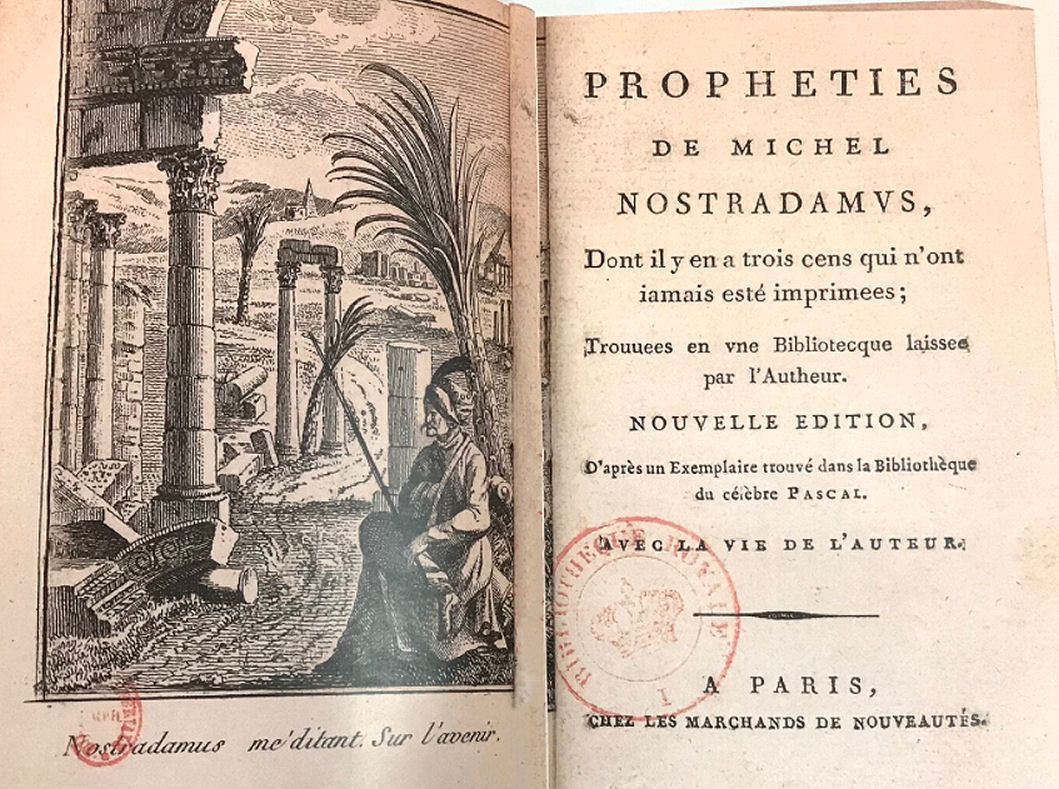
The Lost Tarot of Nostradamus brings together tarot divination and the 16th century prophetic writings of Michel de Nostradamus (1503 – 1566). The better known work by Nostradamus is Centuries, which began appearing around 1555 and has remained steadfastly popular, inspiring thousands of published commentaries and hundreds of translations.
In 1558, Nostradamus published a third edition of Centuries and posthumously, a last volume of the work was published as The Prophecies in 1568. Purportedly, 58 additional quatrains exist, but couldn’t be found after his death.
The Heart & Hands Tarot is a black and white deck by artist Liz Blackbird, and while it was first released as an indie deck crowd-funded via Kickstarter, it gained such buzz that now it’s been picked up by U.S. Games for the mass market.
This deck reminds me a bit of the Wandering Moon Tarot, which I reviewed recently, but the two feature very distinct and different art styles. Where Wandering Moon utilized pointillism evocative of stardust and galaxy matter with maybe the slightest trace of a Shel Silverstein vibe, Blackbird’s Heart & Hands is in a bold, dramatic Art Nouveau style of illustration.
The Cathar Tarot: The Secret Wisdom of the Perfecti by John Matthews and illustrated by Wil Kinghan was published back in 2016, designed to be a living “Book of Images” premised on Cathar and Gnostic principles. From there, the Keys of this remarkable tarot deck follow the Journey of the Grail.
The golden-toned card back design features the Cathar seal, also called the Cathar Cross, and an iconic symbol throughout the Languedoc region of France.
The Cathars were first recognized around the 11th century in northern Italy and western Germany, then later concentrated around southern France. After remaining active through the 12th century, they were pretty much wiped out of existence during the Albigensian Crusades of 1209 to 1229, as they were considered heretical.







 benebell wen