
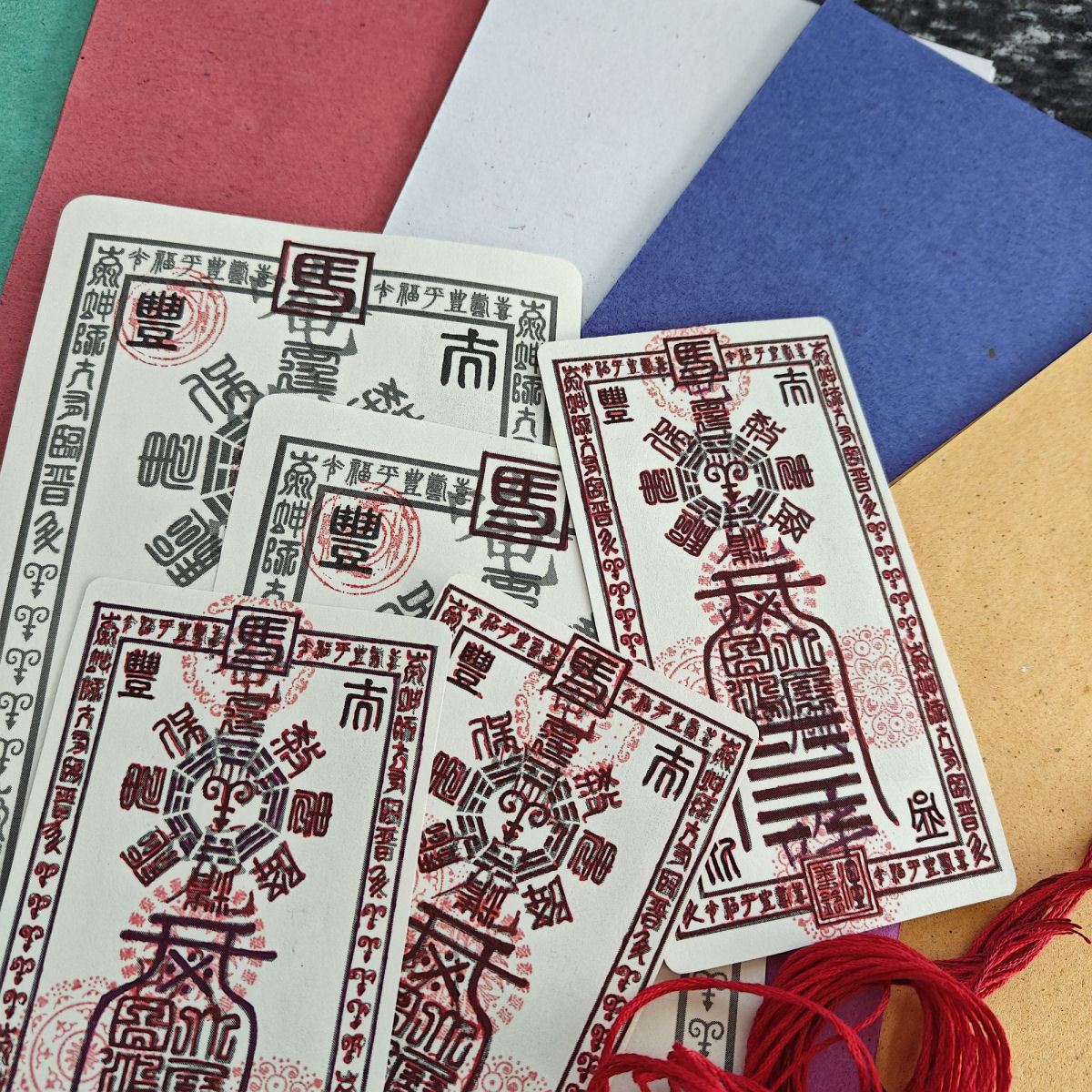
Wow. I’ve been blogging here for over 12 years. I posted about the last Year of the Horse and crafting natal year protective talismans in 2014. Across East Asia, parts of Southeast Asia, and Tibet, you’ll find this belief in natal years and having to take extra precautions if it’s your natal year. Anyway, for those who have been asking, this page will have the download of all natal year Fu talisman design templates.

Natal Year Fu Talismans 本命年符
- DOWNLOAD ZIP FILE FOR 2017 – 2028
Inside the zip file folder is a “READ ME” document that explains how to use natal year Fu talismans, and also, has a reference table of the Chinese zodiac sign corresponding to each and every year, from 1937 to 2056, which you may find helpful for figuring your own Chinese zodiac sign, if you don’t know it already, and identifying all of your Natal Years. The READ ME will also explain the anatomy of the Fu sigil design.
A natal year (本命年, ben ming nian) follows the lunisolar calendar system and, in astrological concept, is similar to planetary Returns in Western astrology. When the current year is the same zodiac animal as your birth or natal year’s zodiac animal, it’s a Natal Year, or a Return to your natal zodiac sign.
Crafting Natal Year Fu Talismans
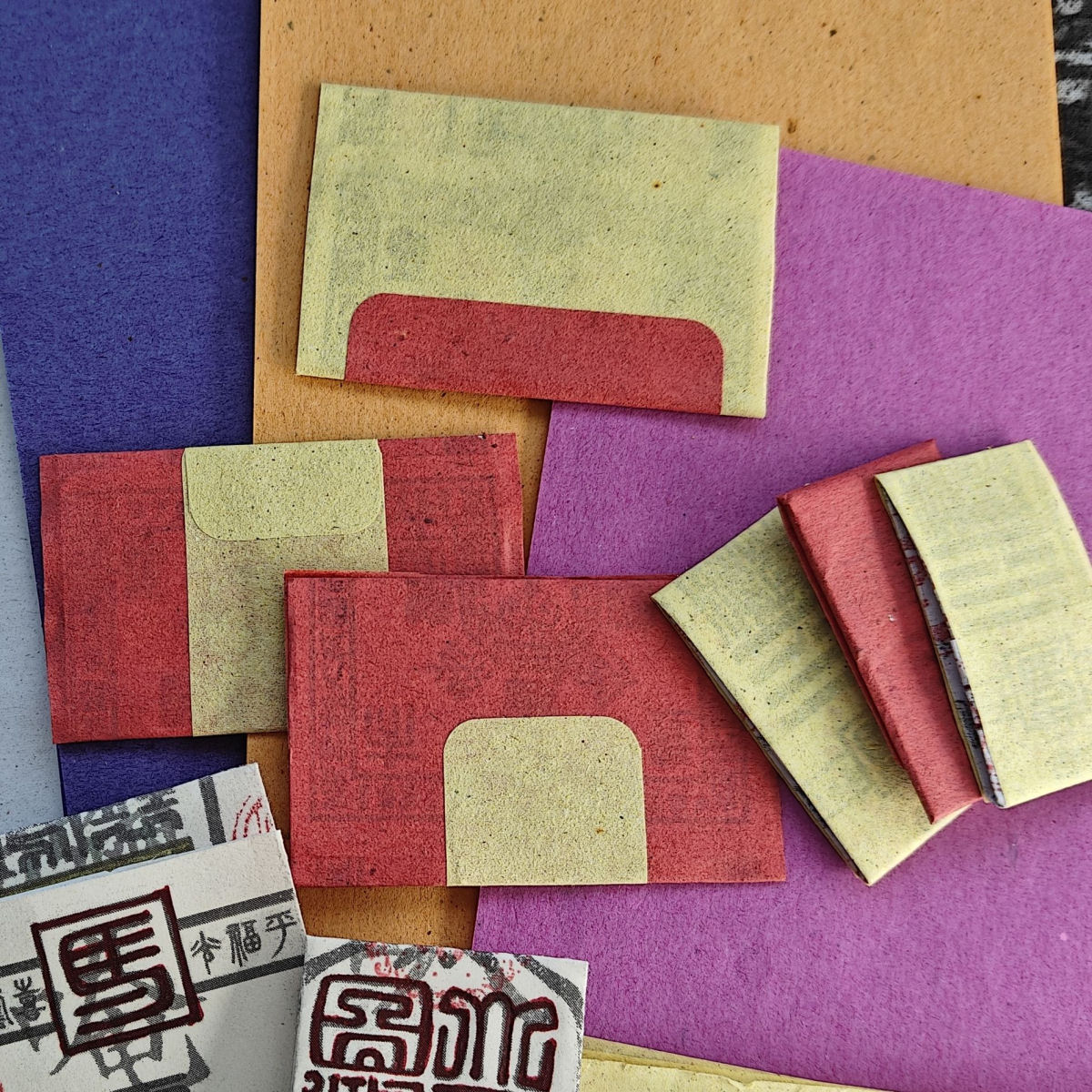
Integrating the foundational principles of Fu 符 talisman crafting covered in a whole book I wrote, The Tao of Craft (2016), really there’s no one single set way. In fact, I’d go so far as to argue that the only “right” way is a method that most optimizes the practitioner’s skill sets, powers, and their Qi (how their dynamic life force flows, from a magical practitioner’s perspective).
You can see from the many years of many postings on me crafting natal year Fu talismans for loved ones that I don’t even do it the same way year to year. For each individual loved one, I’ll even further customize their specific protective talisman to balance the Wu Xing five elements per their BaZi (natal chart). So no two of my friends or family whom I’m crafting protection talismans for will have the same exact talisman, even if both are born the year of the Horse, for example.
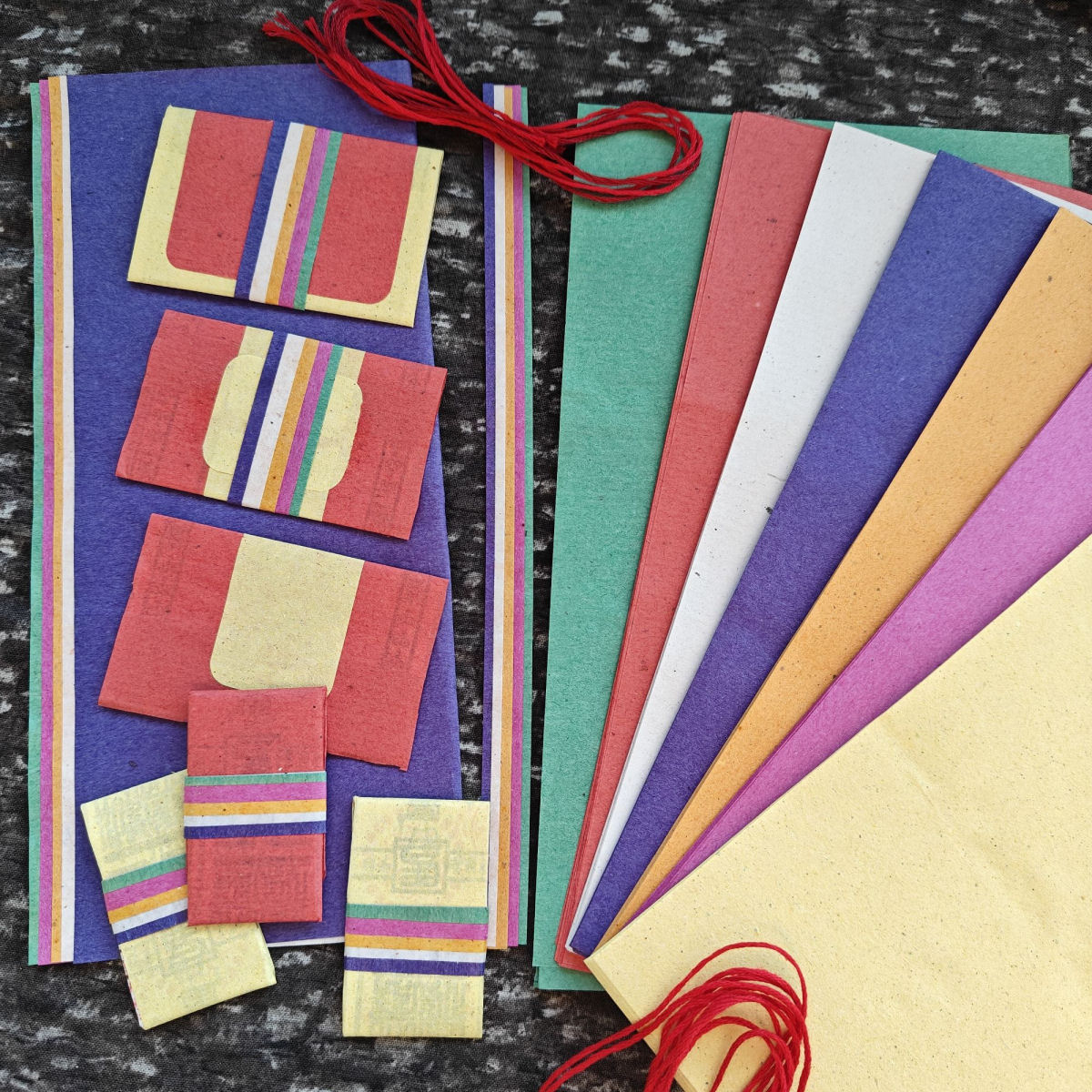
What I definitely do is craft an “envelope” or sealed wrapping for natal year Fu talismans, and even the envelopes or wrappers themselves need to be consecrated and blessed via prayer invocations and incense smoke accounting for auspicious astrology on the day of the ritual.
By the way, because of the importance of astrological timing (in my personal opinion), to craft these Fu talismans, I have to plan way, way in advance. More than half a year sometimes almost the whole year ahead, I’ve got to look through that coming year’s ephemeris data to note best days for consecration of the raw materials, and best days for the ritual itself.
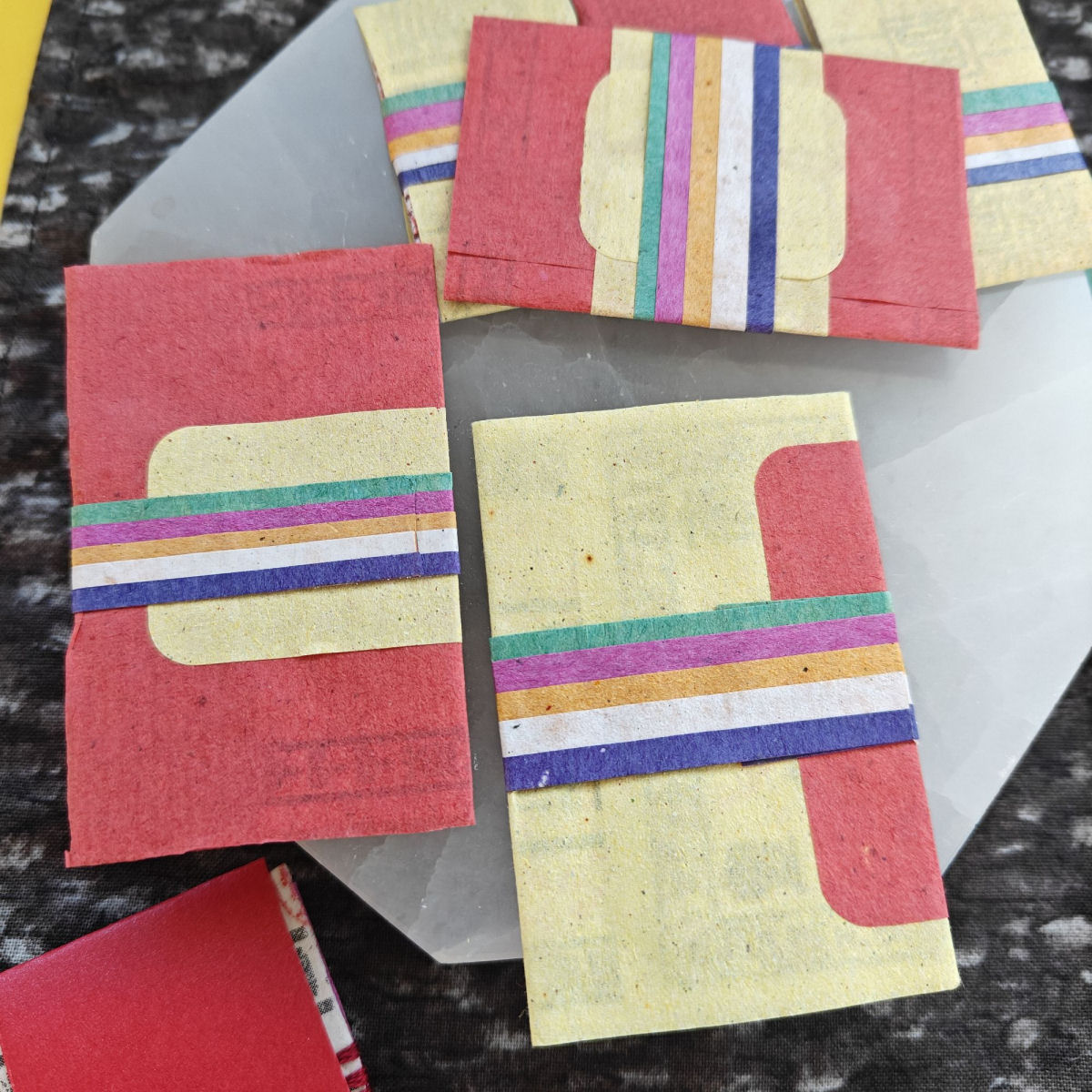
Personally, I enjoy getting creative and craftsy (like mundane arts and crafts craftsy not just spiritual witchy craftsy) with the Fu because I do believe infusion of my deeply personal creativity as a practitioner and artist holds power. So the more intentionally creative and artsy-fartsy I get, the more juice. Not that I’m saying hey look at these cuts of paper I’m so genius this is so original. But for me, to the best of my ability, yah, these are pretty dang crafty if I may say so!
In past years I’ve also gone a more classic route of imperial yellow paper and cinnabar red ink, and then the numerology of the number of folds as you fold up the talisman, so one can be tucked into a wallet or coin purse, is symbolic. Sometimes the whole thing is hand-crafted and painted by hand, or written with a calligraphy brush and inkstone. Other times, especially if it’s one of those years where I have to create over a dozen of them, it’s gonna be with a printer, but with its own dedicated set of ink cartridges. The set of ink cartridges go onto my altar for three full lunar cycles where active, routine rituals and dedications take place, I consecrate the entire printer, too, and the area the printer is placed in, and then put in the ink cartridges, and then I only use that set of ink cartridges for talisman printing, and nothing else.
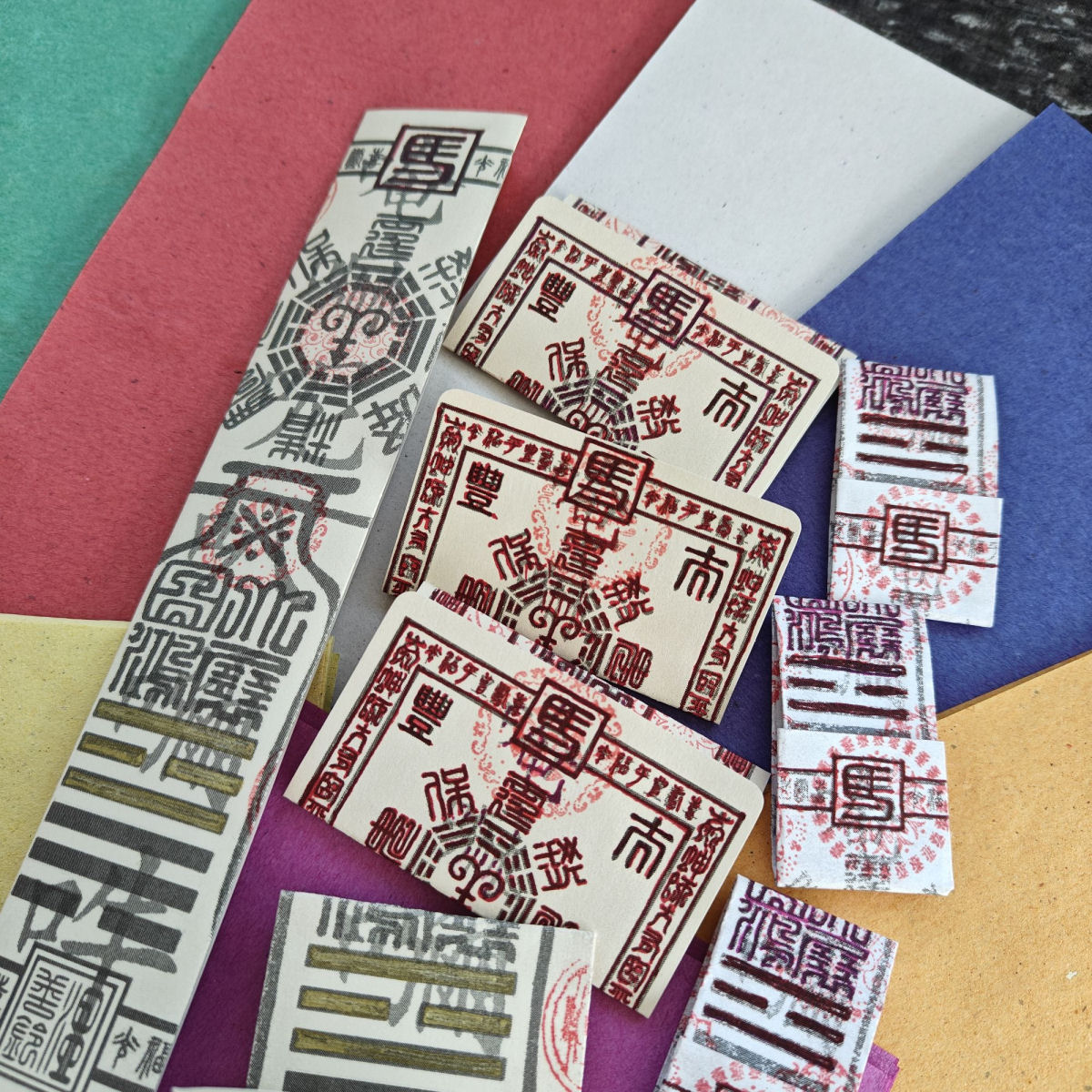
Each red ink seal stamp I use is also symbolically and spiritually significant. And then they each will get stamped with my personal practitioner’s seal. And no, they are not toxically laced with mercury (can you tell I’m being preemptive because I get asked a certain question maybe a bit too frequently)? Asians get woke and evolve, too, and almost all ritual ink we use nowadays are plant-based and mindfully non-toxic. It’s been a while since folks have used actual toxic cinnabar. Alright we good here? Moving on?
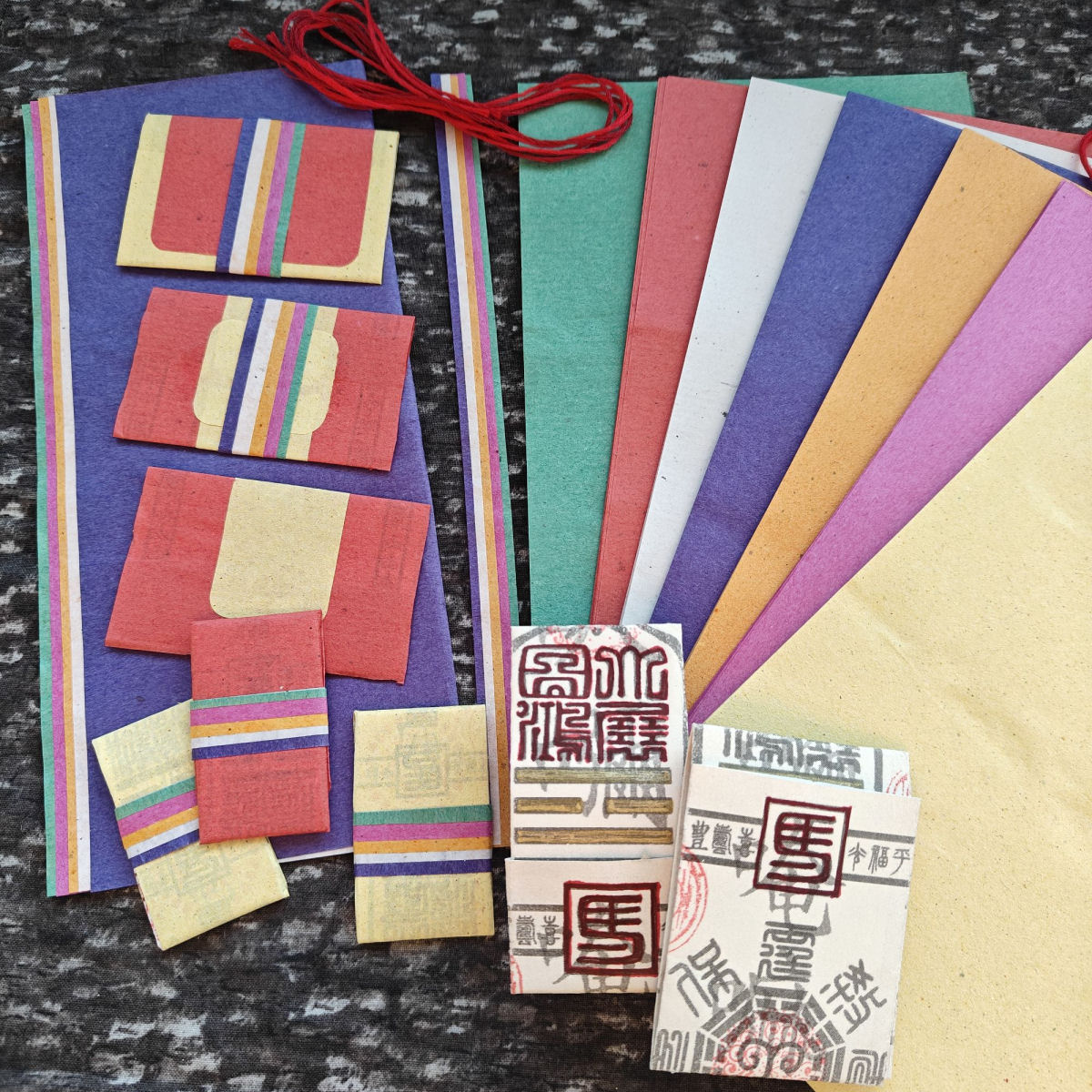
Here in these photos, and this year’s particular batch of protective natal year talismans, I’m using ceremonial rice and sandalwood paper. These types of ritual paper are typically found in sets of five or seven colors, five for the Wu Xing, seven still for the Wu Xing + a very dark and a very light paper set for primordial Yin and Yang respectively. Color symbolism then gets utilized in the crafting of the Fu.
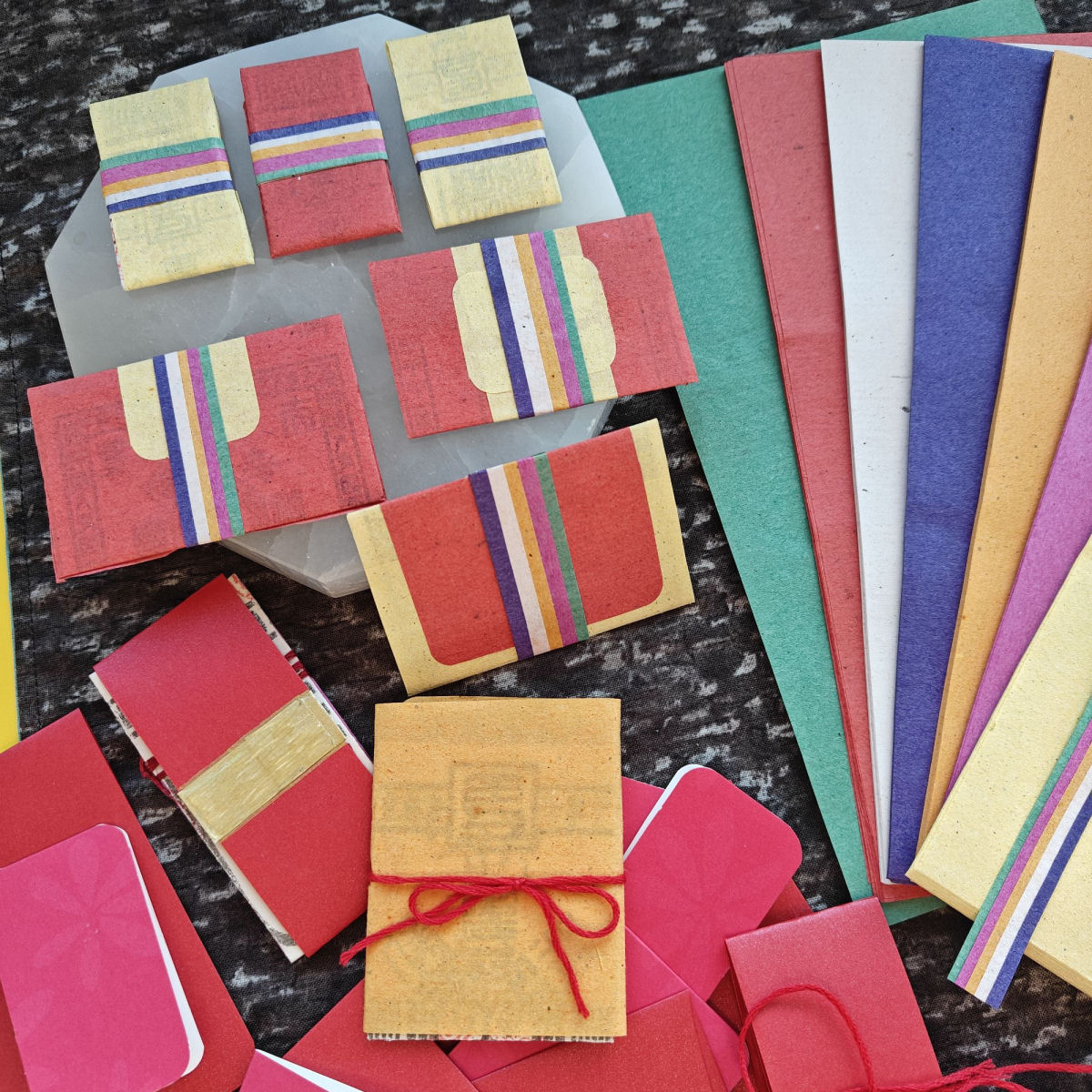
This type of ceremonial paper is commonly found in Taoist mysticism and regional folk practices. It’s a very thin, plant-based, biodegradable paper that burns easily in fire, dissolves easily in water, and yet when written on, holds the ink well (it doesn’t bleed or blot). This type of paper is believed to hold on to channeled or directed Qi well, which is why they’re used in Fu talisman crafting and rituals.
About the Cultural Observation of Natal Years
First, I’m not saying for sure I was the one who normalized the English translation of “ben ming nian” to “natal year.” Maybe lots of people collectively just started using it, I dunno. All I know is when I first arrived on the internets, there wasn’t an English translation palatable to English speakers, and it was just directly called “ben ming nian.” I thought I was the first to call it “natal year” or at least I independently on my own came up with the term “natal year” for its English reference, and at the time nobody used that term, so every time I used “natal year,” I had to pause and explain “ben ming nian.” Now I feel like the term “natal year” has been normalized! Anyway…
Okay, so natal years refer to when the current year’s governing zodiac sign is the same as your birth year. And since the lunisolar zodiac is on a 12-year cycle, we also know that this is a personal milestone that happens when you’re 12, 24, 36, 48, 60, and 72, and now that we’re living longer lives, etc. But those were the six major life milestones, traditionally, with 72 being a very celebrated and significant one, because if you’ve gone through all six natal years, your life has, well, formed a six-line I Ching hexagram! =D
Anyway, the general superstition is that natal years are considered unlucky, but even amongst practitioners, that’s never really been the complete view.
Grand Duke Tai Sui 太歲 is the Jupiter god’s emissary here on earth, and so Tai Sui controls temporal affairs and your day to day fate. Tai Sui is the Supreme Timekeeper god, or lord.
Tai Sui, the term, also refers to 60 Tai Sui deities, or lords, each corresponding with one of the years of the 60-year sexagenary calendar cycle (because 10 heavenly stems and 12 earthly branches together mathematically form 60 unique pairings). Each pairing of a heavenly stem plus earthly branch is one Tai Sui lord’s dominion. So there are 60 Tai Sui lords, but also Tai Sui is one Supreme Timekeeper lord.
When the given year (transiting year)’s earthly branch (there are twelve, each governing one of the zodiac signs) is the same as the earthly branch of your year of birth, the astrological phenomenon is viewed as creating a lot of volatility for you. Your personal stability gets disturbed and every time you try to stabilize yourself, a gust of energy comes and blows you off your center. There are more oppositional forces at play during your natal year. And so, naturally, unless you’re carefully dodging the hits, these forces make impact, causing potential upheavals and involuntary transitions, more so than usual, that year. That’s why it often feels unlucky.
However, there are ways, according to folk practice, to dodge those oppositional forces and “placate Tai Sui 安太歲.”
My favorite common folk superstition is wearing red. You get the advice from grandmothers to wear red underwear and red jewelry, lots of red agate, red jasper, getting gifted rubies and spinels, and also, red tiger eye. That red agate tends to be a really, really popular one.
Weirdly like tarot, there’s the superstition that you need to be gifted these forms of protection because they’ll “work better” and are more effective if it’s gifted to you than if you purchased them yourself.
You’re going to be told not to make major life decisions during your natal year. If you can do it before the natal year or put it off for after the natal year, you’re advised to do so.
Forms of Fu talismans and certain types of rituals can also appease or placate Tai Sui. This tends to be my go-to approach, only because Fu talismans and sigil-crafting are kinda my thing.
You’ll also see people visiting temples to pray to or pay for elaborate ceremonies for the invocation of the Big Dipper Mother via recitations of the Big Dipper Canon 北斗經, asking Her to intervene on your behalf and put in a good word for you with Tai Sui.
Another one of my favorite superstitious practices is when people capture wild animals, cage them, and then have those whose experiencing their ben ming nian to release those captive animals out into the wild as a form of “good karma” or merit-making to give them a boost of good luck. To which I’m like, okay. I guess not all practices need to make sense.
Finally, while the first four of your natal years (ages 12, 24, 36, and 48) are considered precarious, it totally shifts by age 60. Your age 60 natal year is celebrated as auspicious and it’s believed that the gods will endow you with a very special gift of some sort during your 60th year, the fifth natal year, kinda similar to how the fifth line in I Ching hexagrams are the ruling lines.
I try to keep my superstitions in check, though I gotta admit, when I reflect back on ages 12 and 24, those were fairly volatile years of my life, memorably so. Although age 36 was good for me. My third natal year was in fact very auspicious.
Which is just to say, my messaging about natal years is to not be anxious about it. Trust in your own abilities to overcome any challenges that come your way. Make plans according to the weather forecast, but don’t excessively inconvenience yourself over the weather.
 benebell wen
Thank you very much for sharing! However, I figured for myself that my natal years are quite volatile, but more in a good way. While clashing years (饭太岁) really means problems, like loosing jobs, health issues, going bankrupt etc.. What would be your advice in those cases?
LikeLike
Oh no, I guess this offended him even more… I meant 犯 not 饭
LikeLike
“like mundane arts and crafts craftsy not just spiritual witchy craftsy” – this had me chuckle 🙂
Also, I wondered, can these talismans be used even when not in a natal year, as in, used generally for a talisman in any year or time period, or just generally to have on your indefinitely? Thank you
LikeLike
If one was born during the year of the snake (1989), can the fire horse fu sigil you created for 2026 be used in any way like during the snake year (place inside planner or home), or would you advise against this since it is such different energy?
LikeLike
👌.the previous year of the Snake was supposed to be a bad one for me (I am 🐗 Boar) so I put a Tai Sui in my wallet and another on a window between East and South directions of my apartment, after having consecrated them just with frankincense.
It turned out that the year of 2025 went very well for me, including my visit to China.
LikeLike