I wanted to put this out there in hopes that someone googling for this info will find my post. So yes, topically it’s a bit outside my beaten path here on this blog.
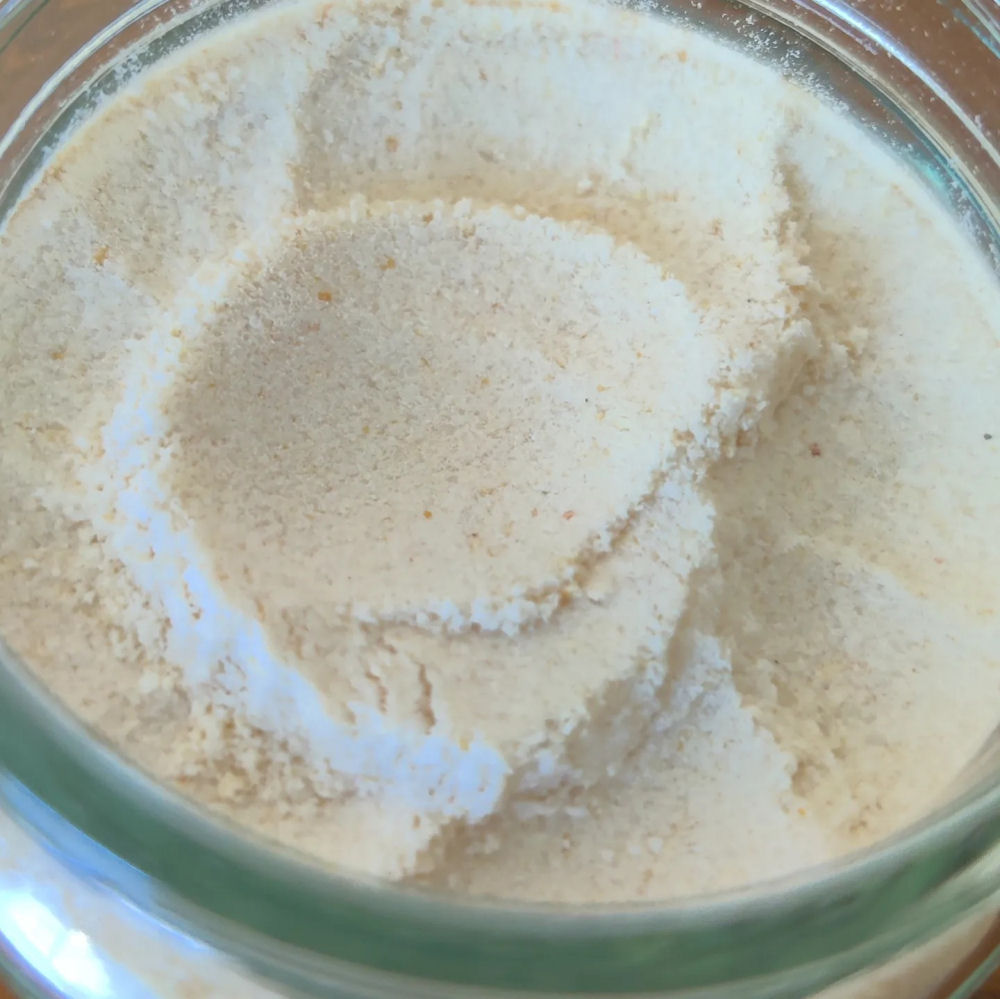
I made my own citrus peel powder + rice grains powder face treatment to deal with hyperpigmentation and texture concerns, applied it twice daily for 100 consecutive days, and am now sharing my thoughts.
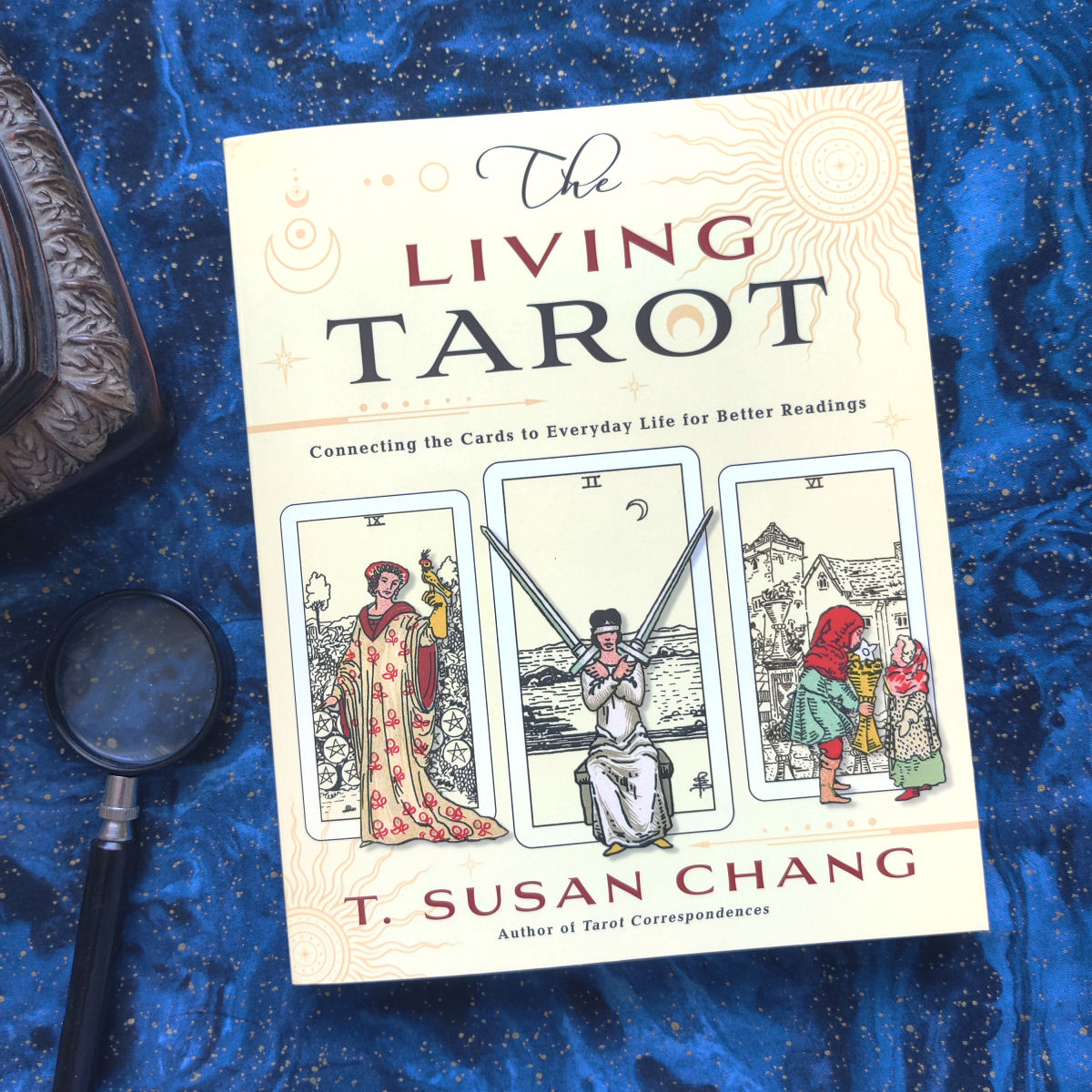
I’m a huge fan of T. Susan Chang’s work. I loved Tarot Correspondences, which I’ve reviewed before here, have and cherish my copy of Tarot Deciphered, co-authored with M. M. Meleen, creator of the Rosetta Tarot and Tabula Mundi Tarot, two of my all-time favorite decks, ever.
So I’m thrilled about the opportunity to review Chang’s latest book, The Living Tarot published by Llewellyn Books. Unlike her previous publications, The Living Tarot is written with the beginner in mind, and more pertinently, how the modern reader can find personal, everyday meanings to the 78 cards.
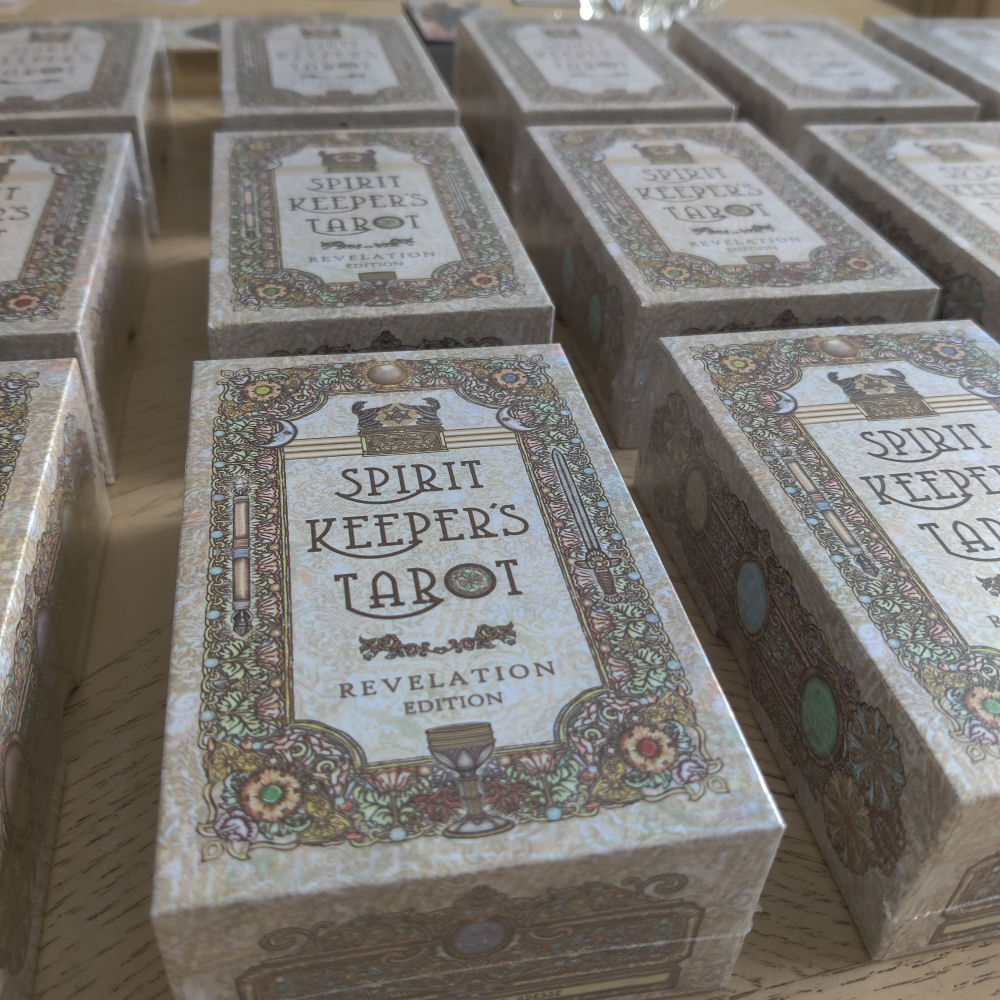
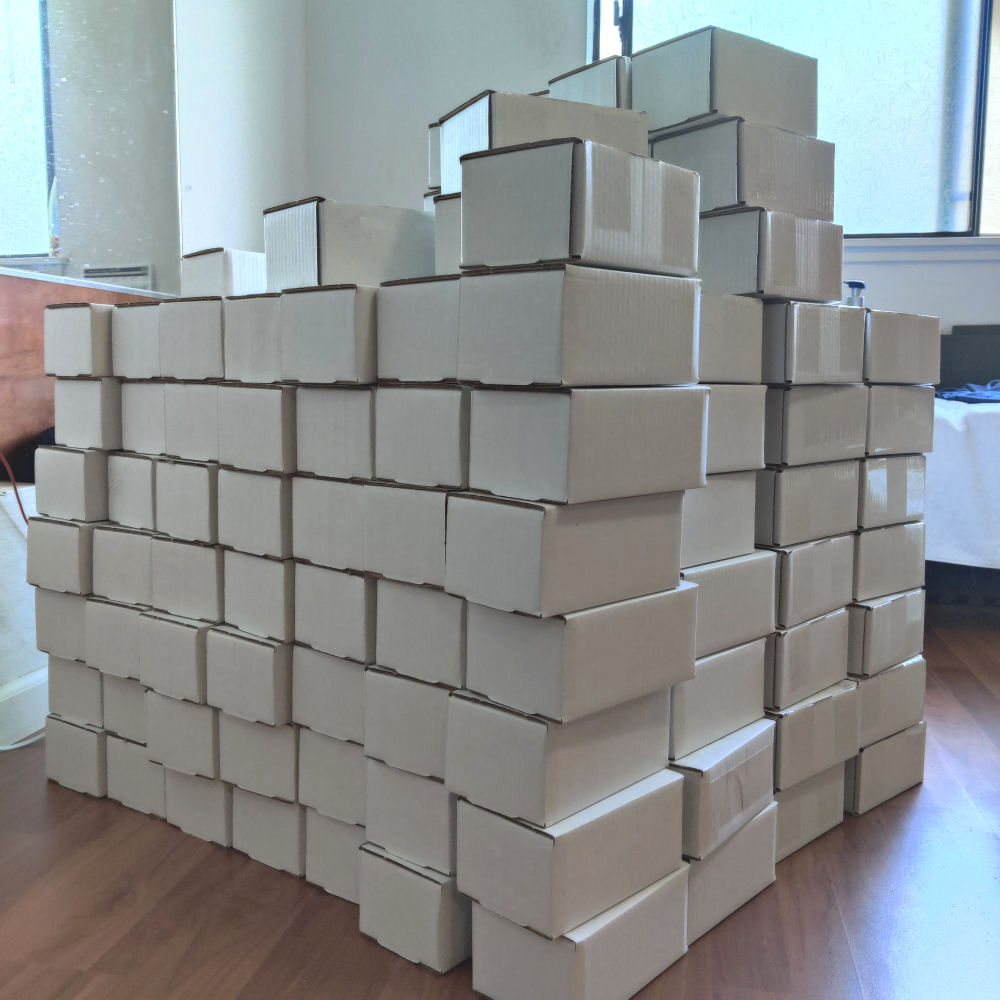
Apologies for not sharing a deliveries update sooner, as I know many of you are waiting anxiously for info on the status of your pre-order.
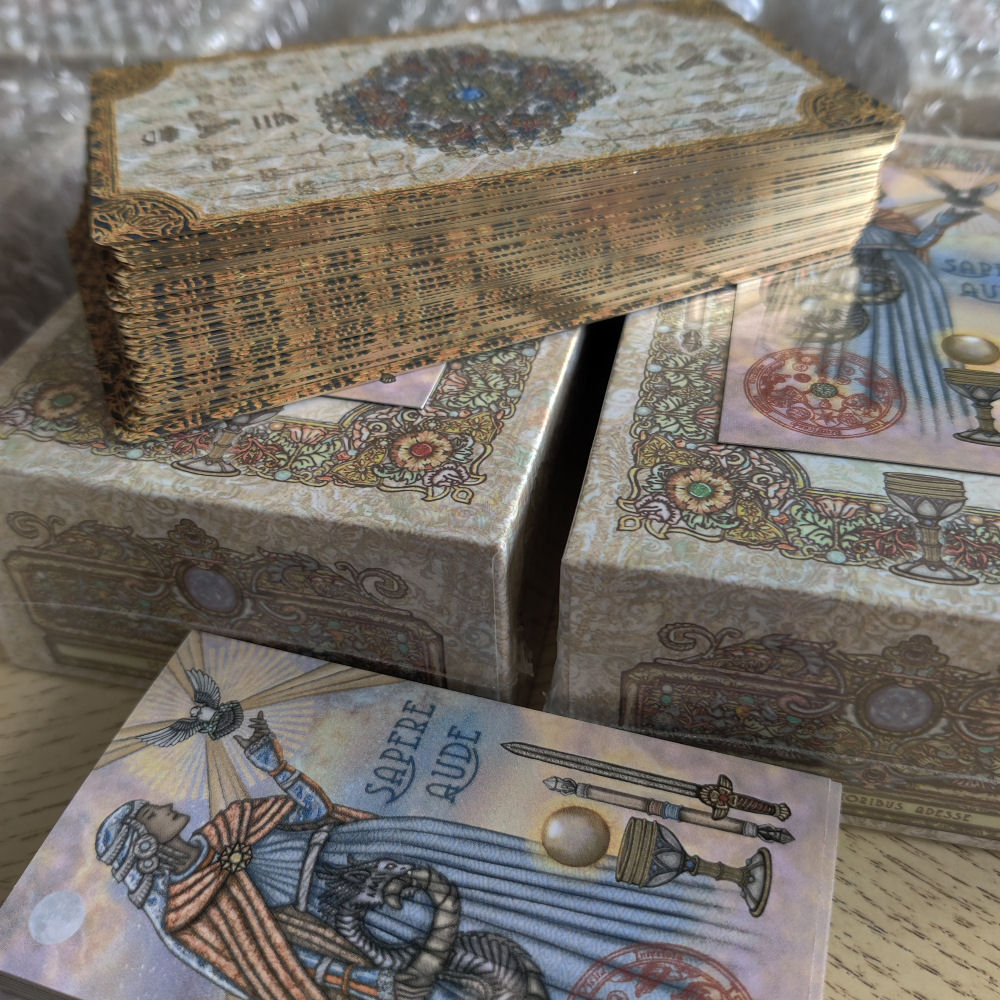
We are now almost two weeks in to having started packing and shipping the decks out. It feels like we’ve done a lot and have made a lot of progress, except then I look at how far we are down the list of pre-orders and we haven’t even finished the first 200 yet. Eeps! So I guess the progress is not as fast as it feels to us! =)
I write up these status updates assuming you are like me and would want all the info that I would want if I were the buyer, but if it’s more than you care to know, no worries, just scroll, skim, and skip around.
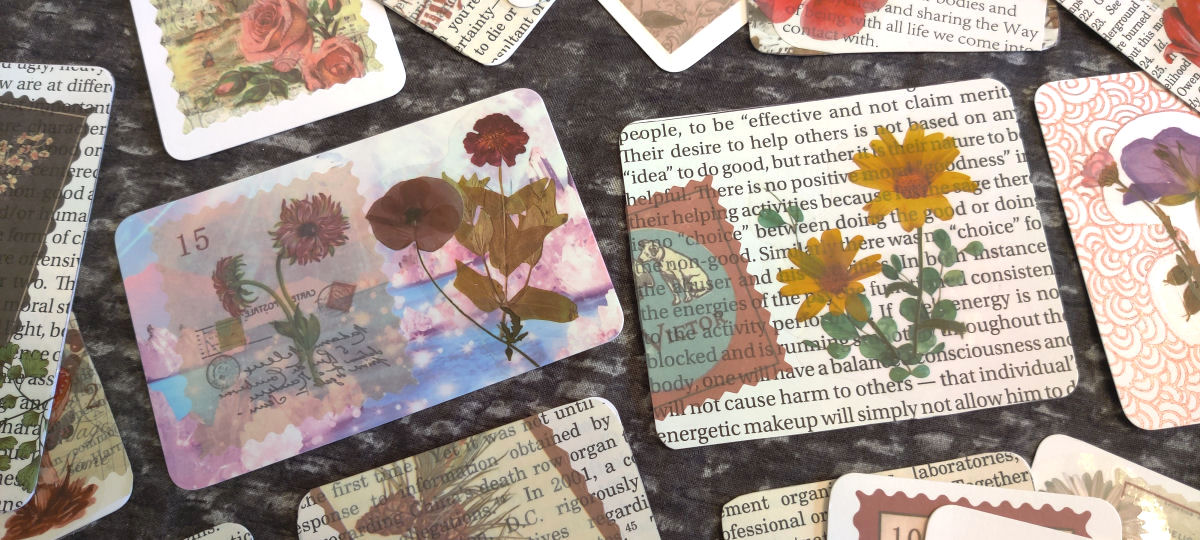
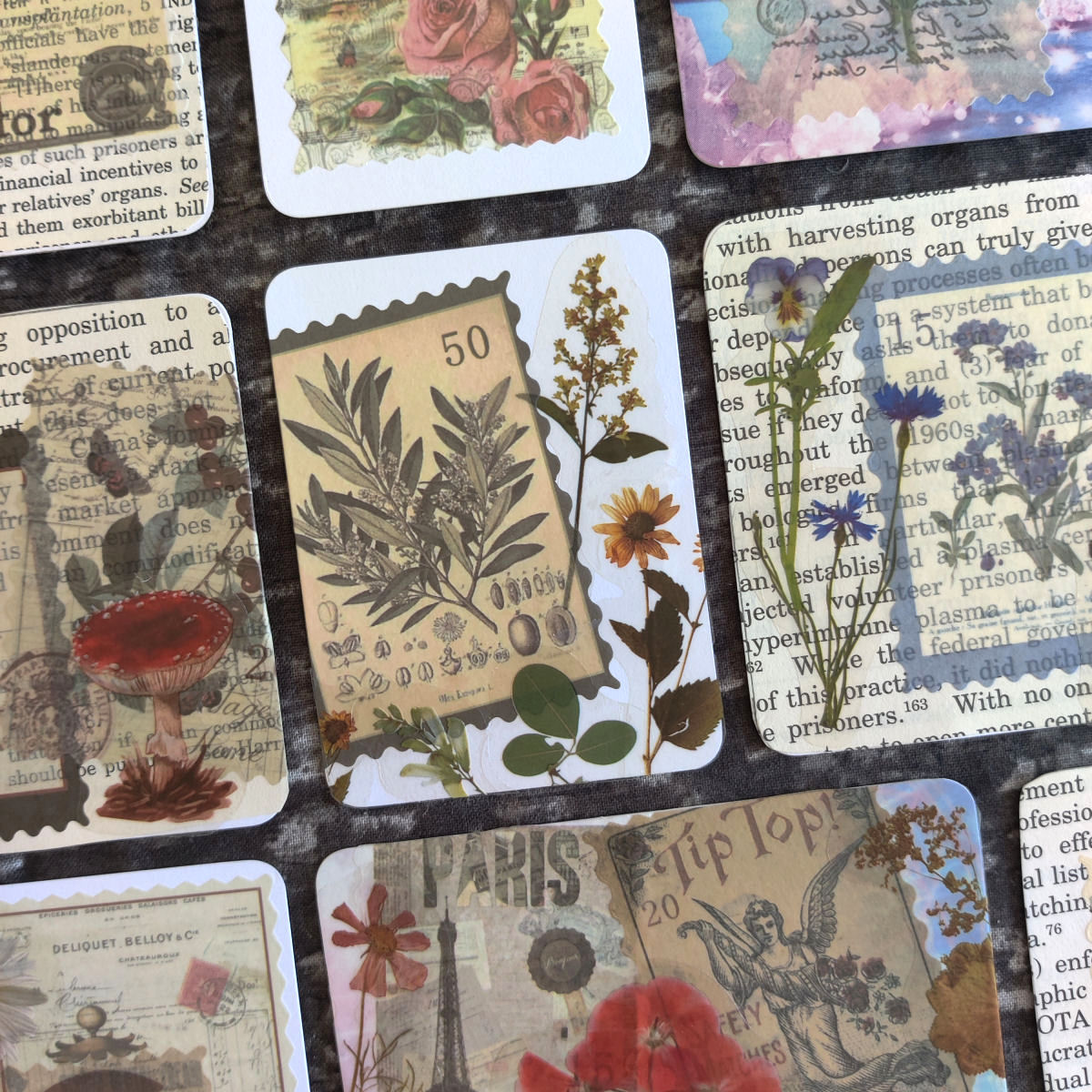
The real reason this post is going up is because I want to show off my cute little arts and crafts project. Otherwise there is no other purpose to them. So permit me to flaunt and brag about my accomplishment. This is where you ooh and ahh, or at least pretend this matters to you. =)
Like, I’m not going to sell them or turn them into an oracle deck (although you totally can, and what a great idea that is!) so what am I going to do with these scrapbook collage art cards I made… oh, I know, flex about it on my personal blog.
I mean. They’re pretty cute, aren’t they? You can give me that much. =)
But I will try my best to force out a more meaningful message for the collective, something you might be able to get out of my personal arts and crafts dabblings. This is a really, really easy craft project you can do at home, and I’ll explain why I believe it’s worth your while.
If you have arthritis, there are arthritic scissors you can use, or invest in one of those sliding paper cutter things. And then instead of collaging with magazine cut-outs, do what I did and buy a ton of stickers. All you’ll be doing is collaging with stickers.
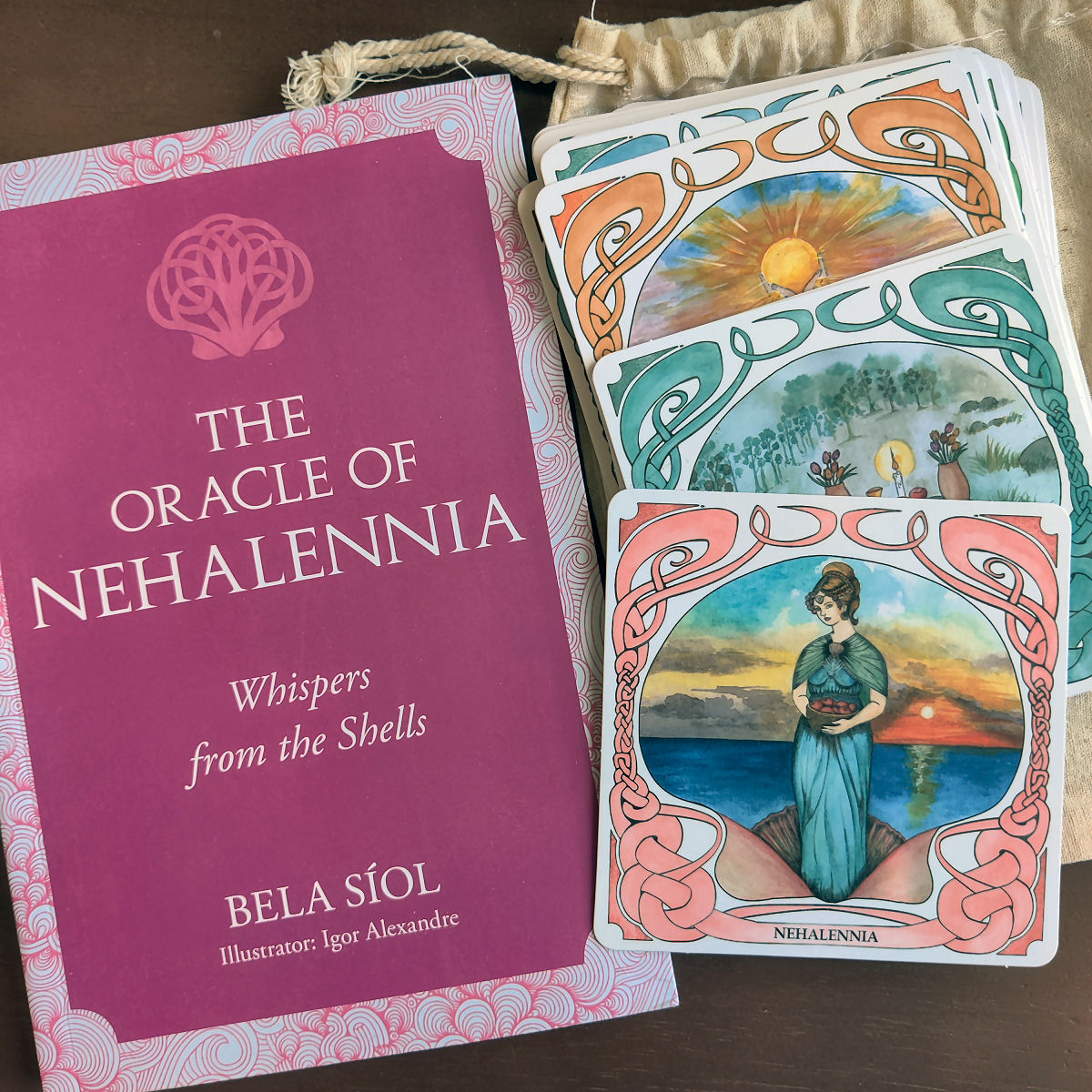
I reviewed Bela Síol and artist Igor Alexandre’s The Transformational Oracle of The Morrighan here previously, and I’m impressed by how versatile Síol and Alexandre are with their style and point of view, because The Oracle of Nehalennia is so distinct from the artwork and point of view in Oracle of the Morrighan.
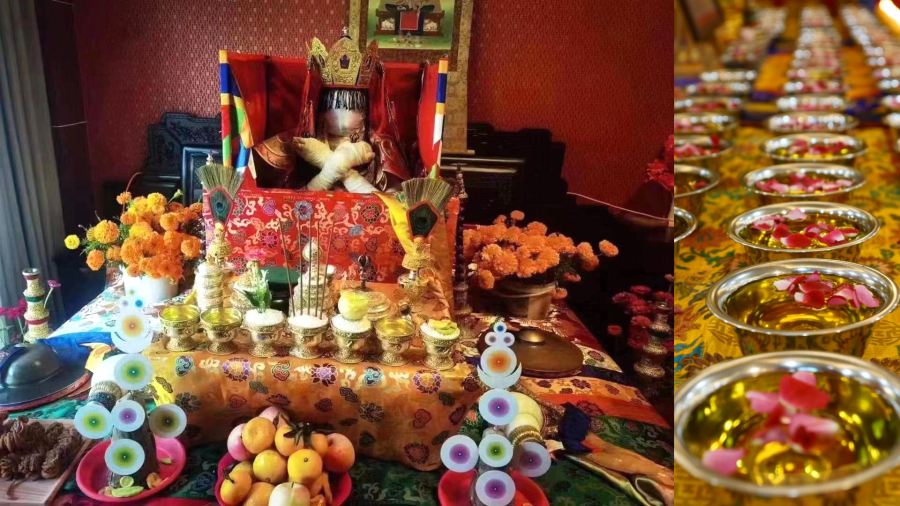
The above video commentary is a short introduction to esoteric Buddhism, covering the distinctions between sutra-based Buddhism and tantric Buddhism. As noted at the end of the video, this write-up will give instructions to the “homework assignments,” practica[I don’t know why I’m such a nerd and called these “homework assignments”] intended to give you a firsthand experience with Buddhist folk magic.
Timestamp 11:39 Addendum: Oops, I cut out too much of the raw video chat and omitted the part where I talked about where I was going with this. =) So if you were left confused, it’s not you, it’s me. =) Continuing from what I am saying at this timestamp, if tantric esoteric Buddhist cultivation is characterized as a “shortcut” to the destination but one that’s far more dangerous and riskier terrain, then endeavoring to take this route all but requires a highly skilled guide to help you navigate the tougher terrain. It’s not a route you’d want to go at on your own or, worse yet, with a guide falsely self-proclaimed as a lama or spiritual leader who will lead you astray, or who isn’t equipped to help you deal with mara. Thus, the framing of the question shouldn’t be “is it open or closed,” but rather as “what, really, would be the most assured path for you?” Can you fully trust someone else’s claim of endowing you with the empowerment you’re seeking?
Taipei Katok Ten Directions Buddhist Association
As a beginner-level introduction, these practices are intended to be general enough for all, so you’ll be encouraged to piecemeal neutral elements often found in esoteric Buddhism and graft it onto your preexisting practice, and most importantly of all, your local environment.
Taipei Katok Ten Directions Buddhist Association
Just like esoteric Buddhism takes on the indigenous practices and magical systems from the land it touches, be that Bön folk magic syncretized with Buddhism in Tibet, Taoist mysticism with Buddhism in China, Shinto in Japan, or tantric Buddhism melded with Tai and Hmong shamanic practices in Southeast Asia, you’ll be working with features of esoteric Buddhism syncretized with what’s native to you.
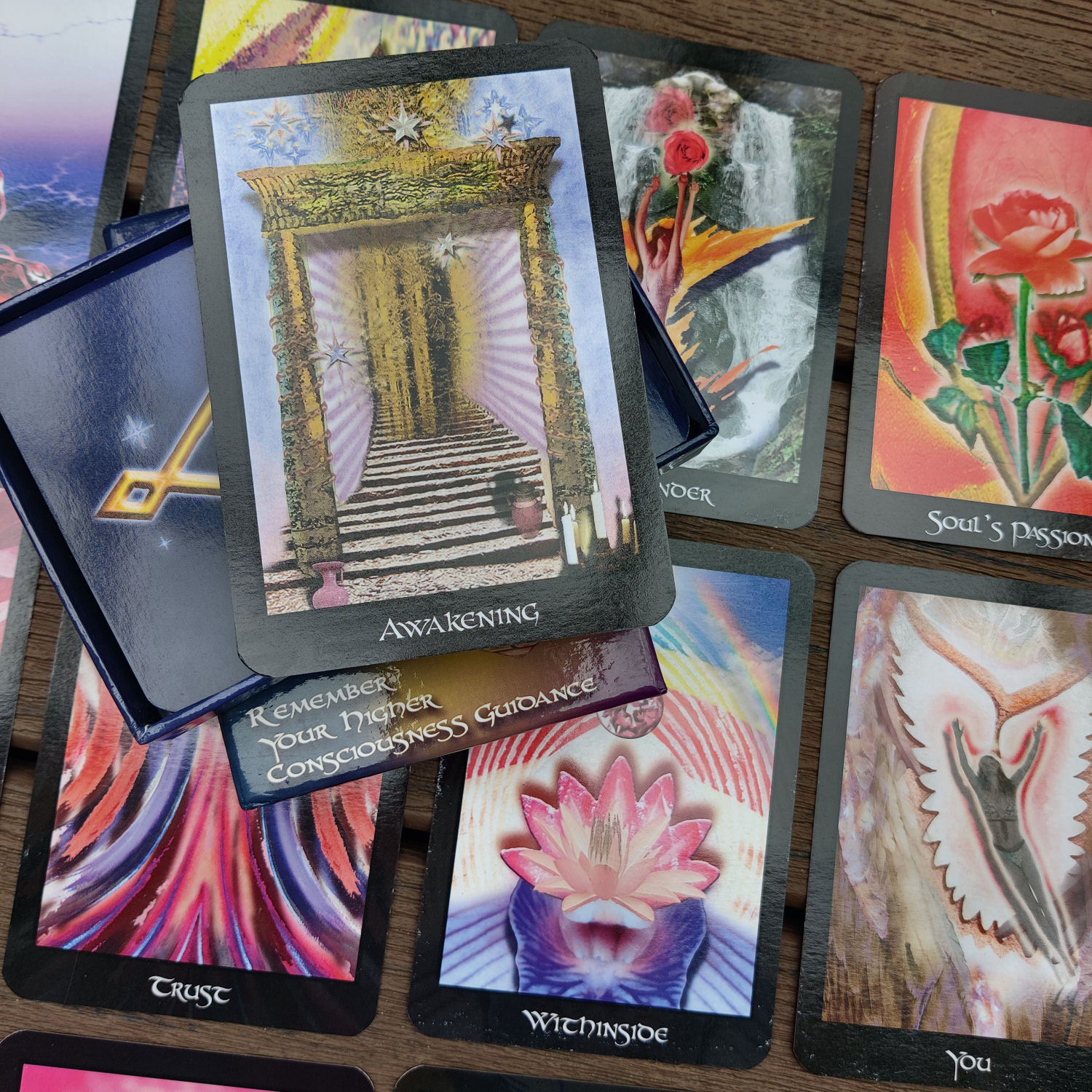
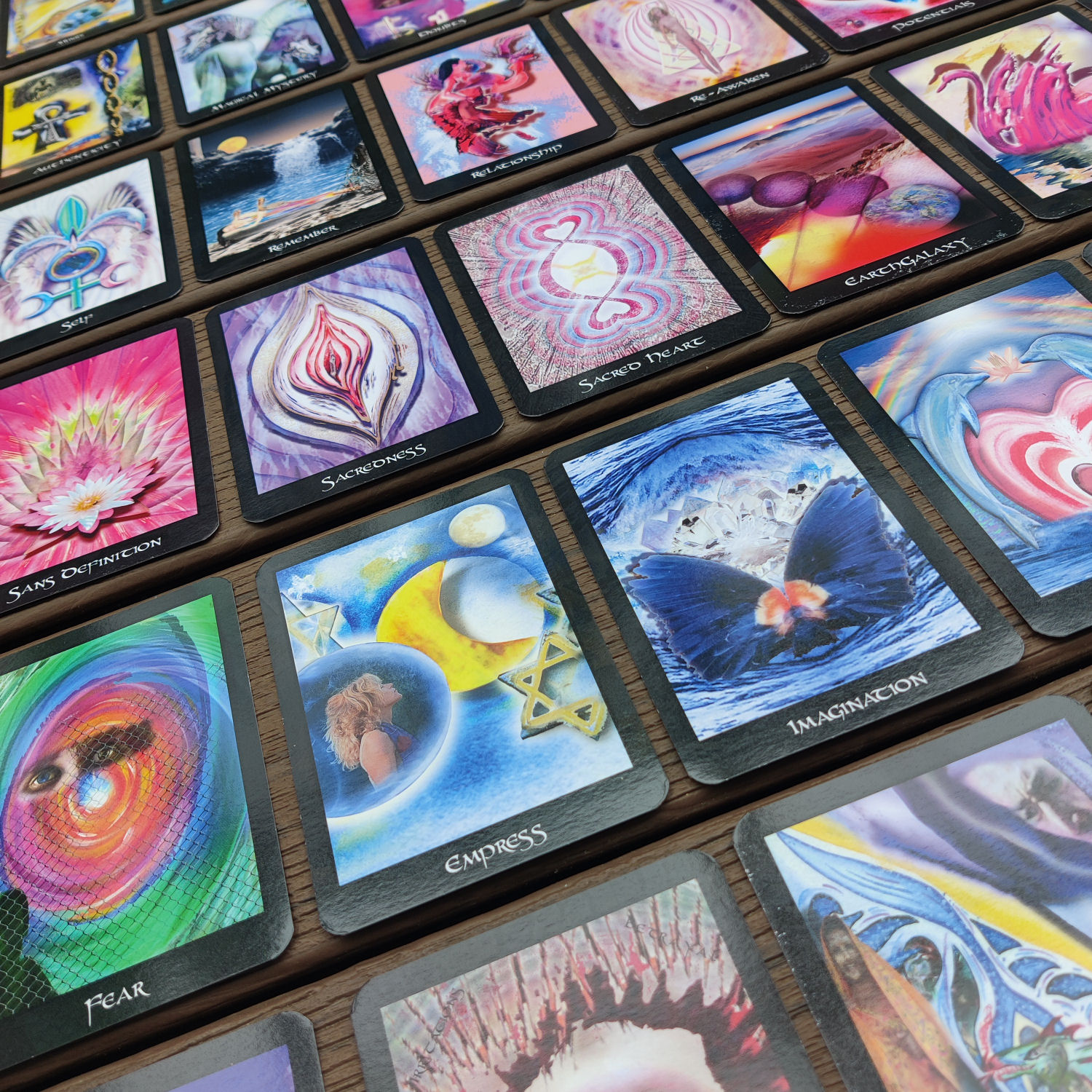
The Sacred Awakening Lemurian Temple Oracle Cards, created by Sa’arah Esther Felix, was first published back in 2013. The artwork created from original paintings by Sa’arah melted with photo-collage.
Production wise, the cardstock is very thin and high gloss. While my copy seems to have sustained quite a bit of wear and tear over the last decade, as you can see from the photographs, they’ve still held up to the test of time.
Each card is intended to be a vessel for an ancient mystery, invoking the divine sciences. Working with the deck helps to activate your higher consciousness and connection to the ascended masters.
The images are designed to hold healing power and the ability to transmit encoded information from the Lemurian Temple.
This is a look-through of Casey Zabala’s Wanderer’s Tarot. It’s a black and white tarot deck published in 2021 by Weiser Books billed as a feminist tarot deck for modern witches.
In terms of production, it comes in a fold-out matte finish box while the cards have a semi-gloss finish with metallic silver edging. The size is more oracle than your typical tarot standard, which elevates the presentation aesthetics when you use these cards on clients for professional readings.
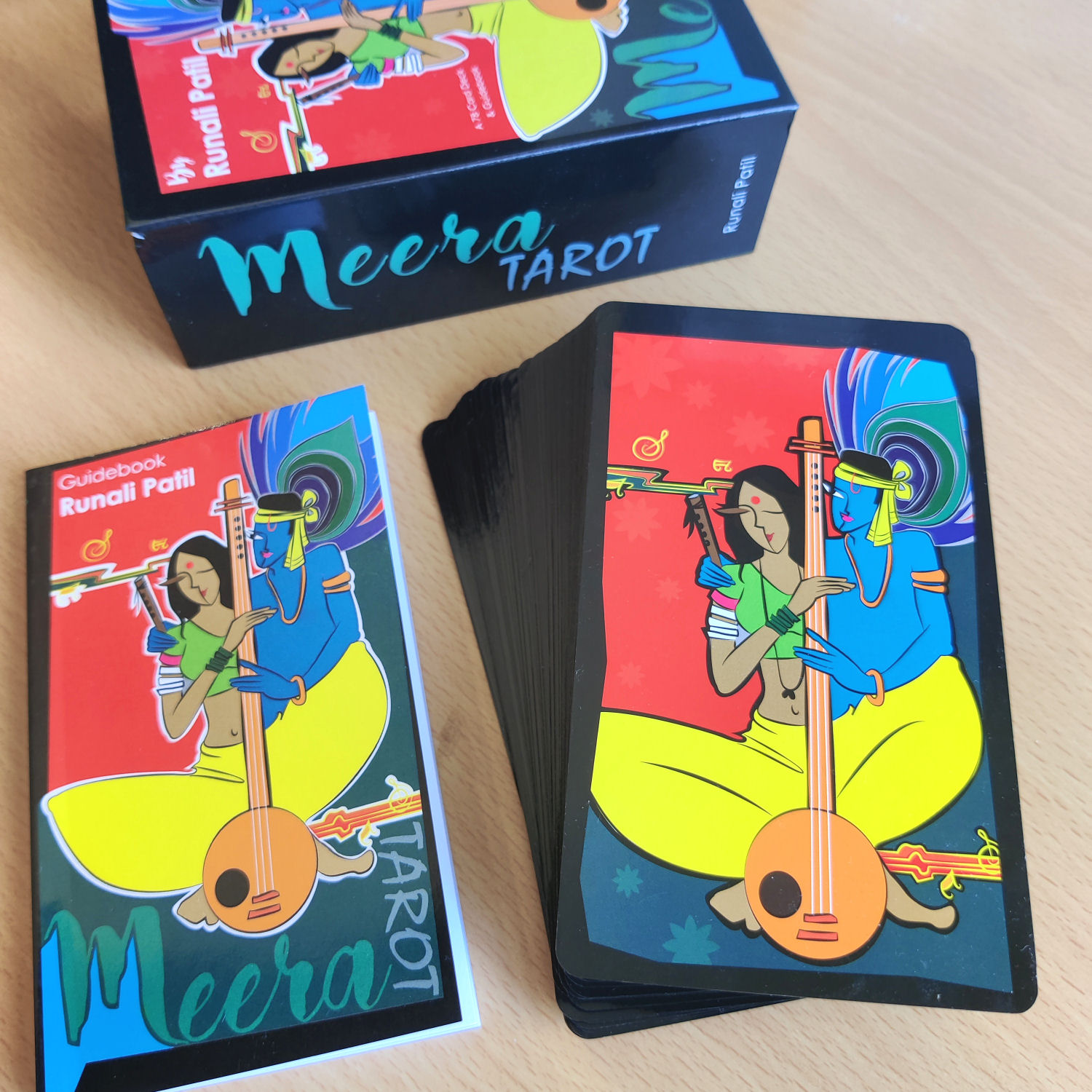
Meera Tarot immediately stands out from the crowd, and as soon as I saw it, I realized I had nothing quite like it in my current collection. The art has postmodern avant-garde somewhat Cubist take on medieval Hinduism, rendered with bold, vivid colors and emotive geometric forms.
The deck’s namesake “Meera” means prosperous, virtuous, and fearless, in disregard of social conventions; it can reference a devotee of Krishna, one who is a mystic and a creative.
From the suit of Cups. Per the companion guidebook, this is the realm of feeling. People connected to this suit tend to be artistically gifted and imaginative. Reversed, the suit of Cups can express emotional blocks and repression.
A compelling thesis of this deck is the binate feminine and masculine within each one of us, and that dichotomy’s ever shifting balance. How do you become self-aware of that internal exchange and how does one integrate the two toward self-actualization? The narratives within these cards express the Twin Flame Journey not as one soul in two bodies, but two souls within one body–thus you’ll see the recurring symbolism of the yin and yang.







 benebell wen