Chinese Shamanism Meets Taoism: The Hidden Link in 3,000 Years of Magic and Mysticism

Course Description

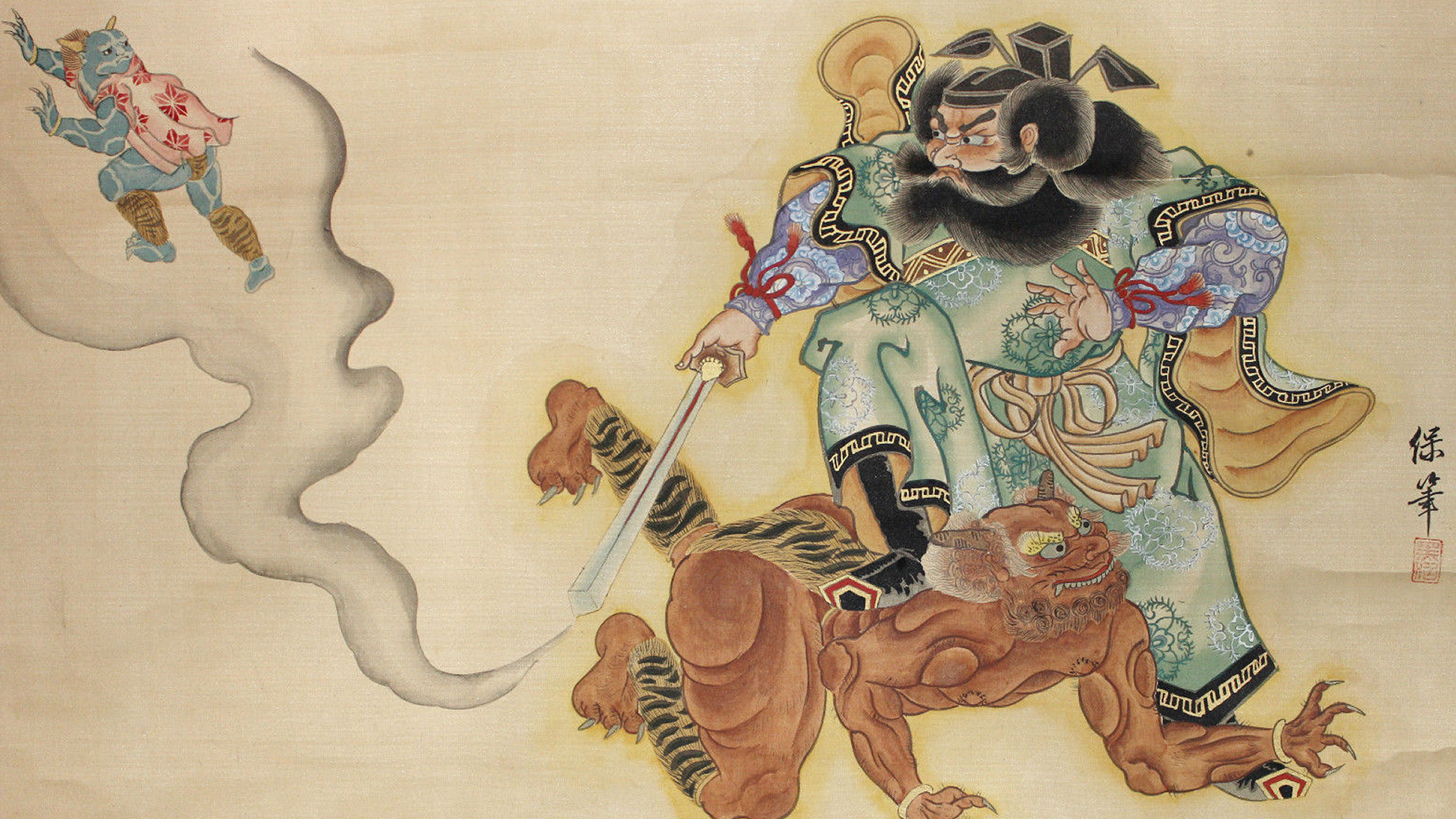
Let’s time travel and step into the mystical lineage of the Neolithic Wu 巫 shamans that laid the foundation for Taoist mysticism. This free public video lecture explores the birth of Taoist magic and the enduring legacy of Wu shamanism. We’ll decode Taoist occultism as it is practiced today to reveal the hidden history of how shamanism shaped the mystical practices of East Asia, preserving and refining early shamanistic techniques into a structured magical system, giving rise to Taoist mysticism.

Taoism is the enduring legacy of the Wu 巫, and how their oft-forgotten roots and history have shaped the modern practices of spirit mediums, Asian modalities of witchcraft, and Taoist ritual magic today. We’ll bridge the gap between the ancient traditions we’ve inherited from the Yellow River cradle of civilization and modern mystical practices, presented in a way rarely explored in the English language.

This is Taoist witchcraft decoded, in reclamation of the Wu 巫’s shamanic practices of the Tao 道.

Continue reading “Chinese Shamanism Meets Taoism: The Hidden Link in 3,000 Years of Magic and Mysticism”

The Semantics of Devil, Demon, and Ghost: 鬼 Guǐ

I stumbled upon an online discussion criticizing Fabrizio Pregadio’s translation of gui 鬼 to “demon, devil” [in Encyclopedia of Taoism (2008)], calling this translation inaccurate and problematic. The commenters in that discussion thread preferred the translation of gui to “ghost,” emphatically declaring that gui as ghost is the right approach, and that equating gui to demon or devil is wrong.

The rationale was that demon and devil have a connotation of evil in the West, which the term gui does not have. The term “ghost” is a bit more neutral – they say – and so gui as ghost is the better translation.

Continue reading “The Semantics of Devil, Demon, and Ghost: 鬼 Guǐ”

The Guan Yinzi

also known as the Wen Shi Zhen Jing: Sutra of Magical Spells and Aphorisms for Attaining Primordial Truth

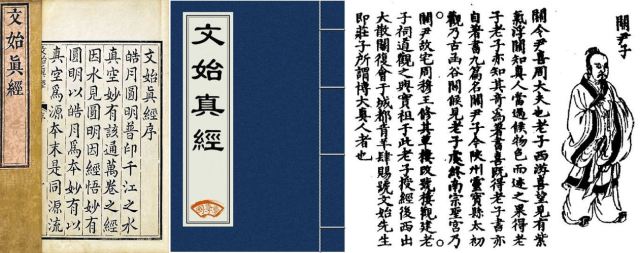
The more recognized naming convention for the sutra is the Guan Yinzi (闕尹子) or Wen Shi Zhen Jing (文始真經) attributed to the gatekeeper who Laozi encountered.

The Guan Yinzi (or Wen Shi Zhen Jing)

According to lore, the gatekeeper at the Western Pass, named Yinxi 尹喜, later given the name Wenshi (文始), transcribed the teachings of Laozi and that text became the Tao Te Ching (道德經). Alternate tellings have Laozi writing the teachings down into two books himself, which the gatekeeper then receives.

Continue reading “The Guan Yinzi”

Descent into the Underworld: Guan Luo Yin, a Wu shamanistic practice

Guan Luo Yin 觀落陰 is a practice of wu shamanism 巫術 found primarily in the South Pacific. While methodologies will differ, one approach is as an astral journey to the underworld to see the spirits of those who have passed on; another is as a method of “remote viewing.”

Some traditions conceptualize the descent as beginning from the entrance to a cave at the base of a mountain (associated with the Kunlun Mountain). Others conceptualize it as a palace with many floors descending (as opposed to ascending the way floors of a building are constructed in the physical earthly world).

This video serves as an introduction to the practice.

See also: