
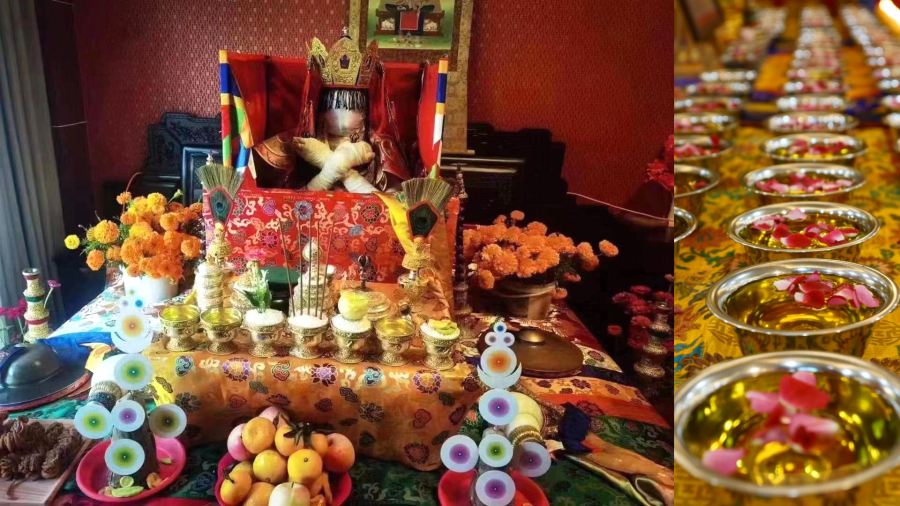
The above video commentary is a short introduction to esoteric Buddhism, covering the distinctions between sutra-based Buddhism and tantric Buddhism. As noted at the end of the video, this write-up will give instructions to the “homework assignments,” practica [I don’t know why I’m such a nerd and called these “homework assignments”] intended to give you a firsthand experience with Buddhist folk magic.

Timestamp 11:39 Addendum: Oops, I cut out too much of the raw video chat and omitted the part where I talked about where I was going with this. =) So if you were left confused, it’s not you, it’s me. =) Continuing from what I am saying at this timestamp, if tantric esoteric Buddhist cultivation is characterized as a “shortcut” to the destination but one that’s far more dangerous and riskier terrain, then endeavoring to take this route all but requires a highly skilled guide to help you navigate the tougher terrain. It’s not a route you’d want to go at on your own or, worse yet, with a guide falsely self-proclaimed as a lama or spiritual leader who will lead you astray, or who isn’t equipped to help you deal with mara. Thus, the framing of the question shouldn’t be “is it open or closed,” but rather as “what, really, would be the most assured path for you?” Can you fully trust someone else’s claim of endowing you with the empowerment you’re seeking?
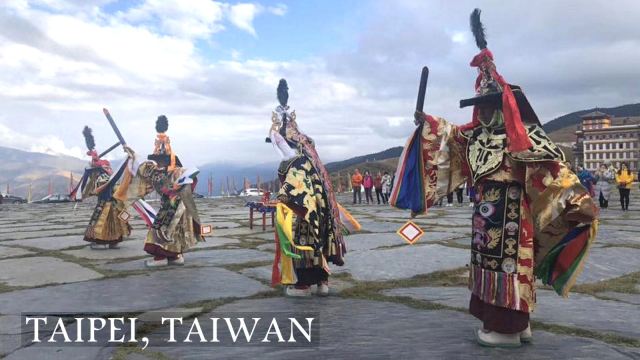
As a beginner-level introduction, these practices are intended to be general enough for all, so you’ll be encouraged to piecemeal neutral elements often found in esoteric Buddhism and graft it onto your preexisting practice, and most importantly of all, your local environment.

Just like esoteric Buddhism takes on the indigenous practices and magical systems from the land it touches, be that Bön folk magic syncretized with Buddhism in Tibet, Taoist mysticism with Buddhism in China, Shinto in Japan, or tantric Buddhism melded with Tai and Hmong shamanic practices in Southeast Asia, you’ll be working with features of esoteric Buddhism syncretized with what’s native to you.


 benebell wen