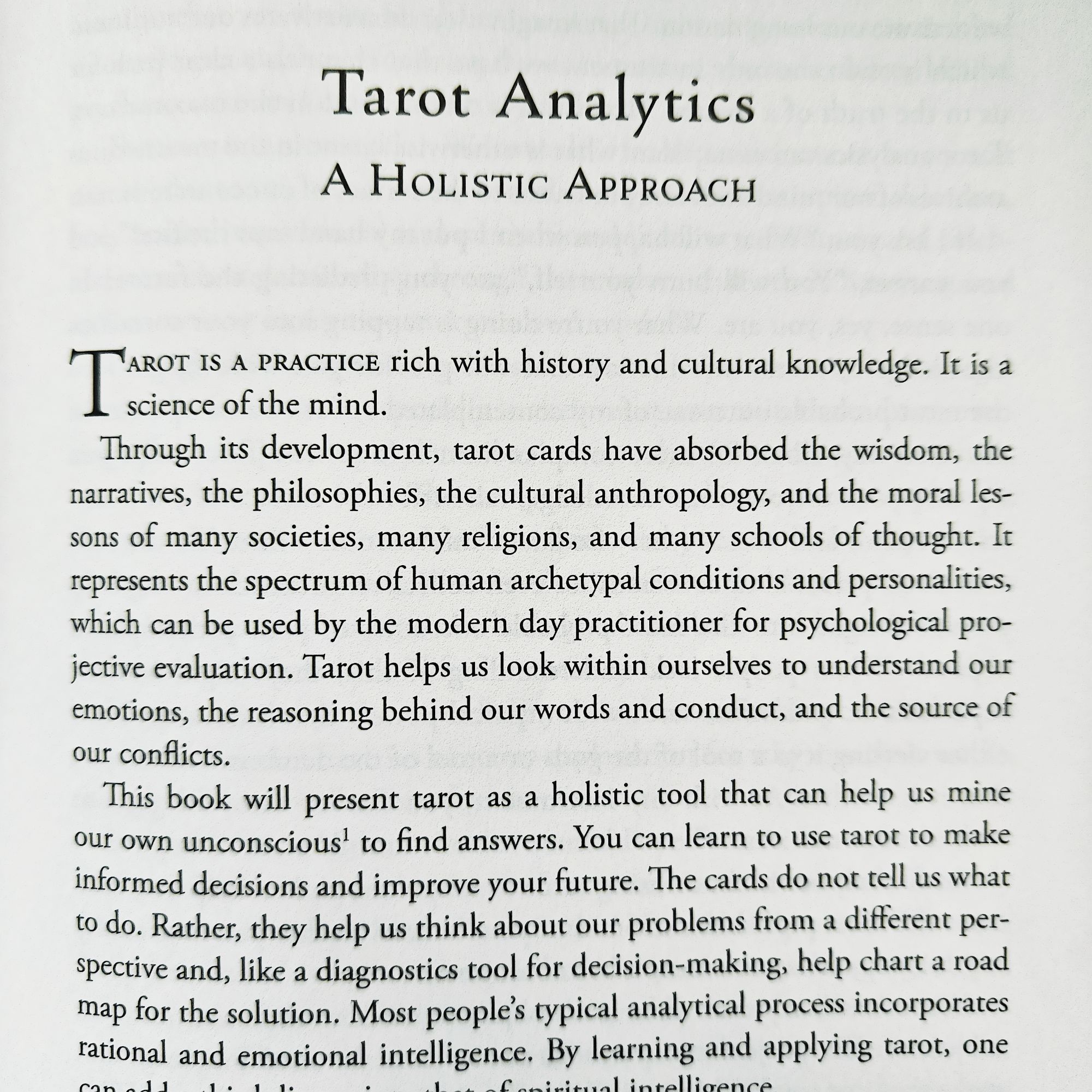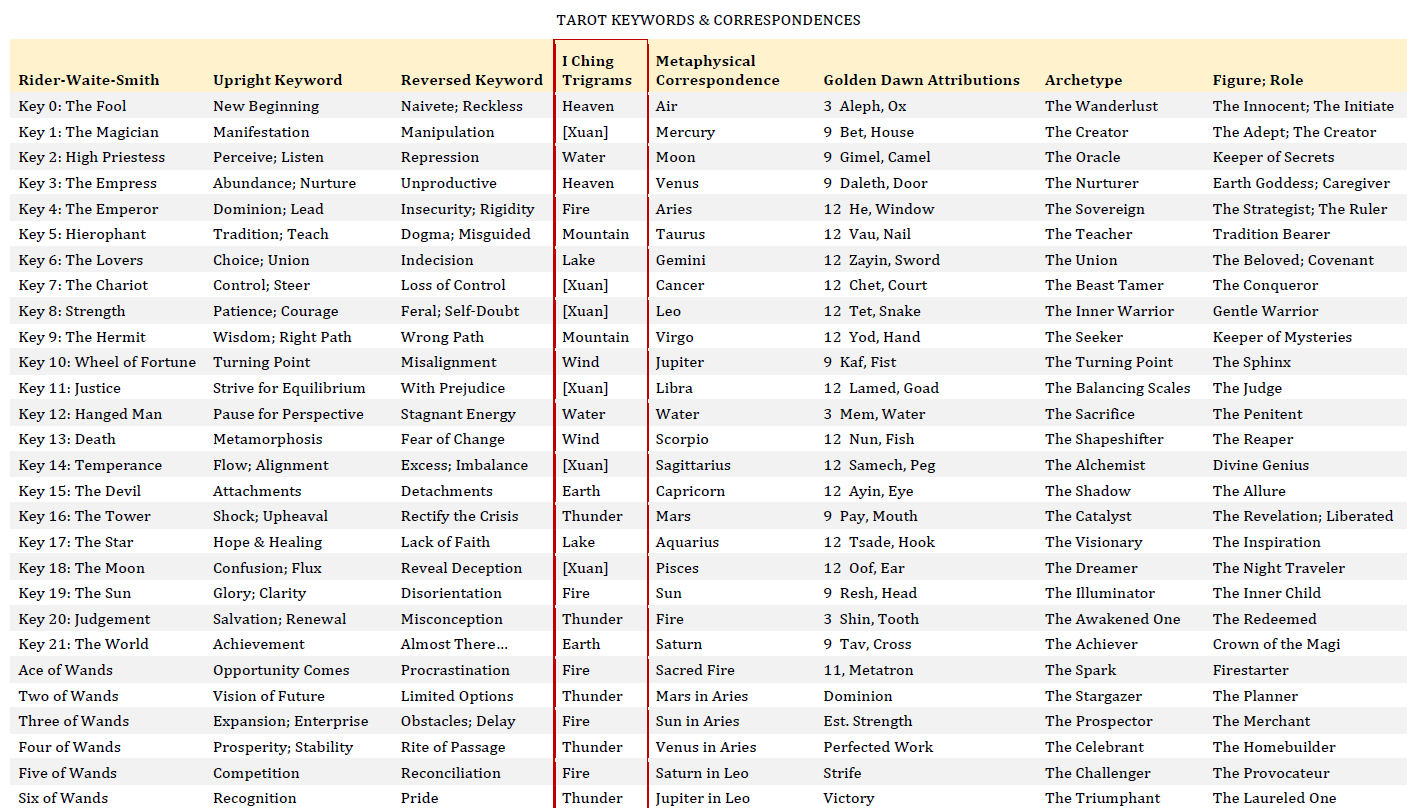
I’m an I Ching aficionado and also a tarot aficionado, wrote chonky books on both subjects, so naturally I’ve thought long and hard about how the two systems reconcile. This page is a download of a tarot and I Ching correspondence table for your easy go-to referencing.
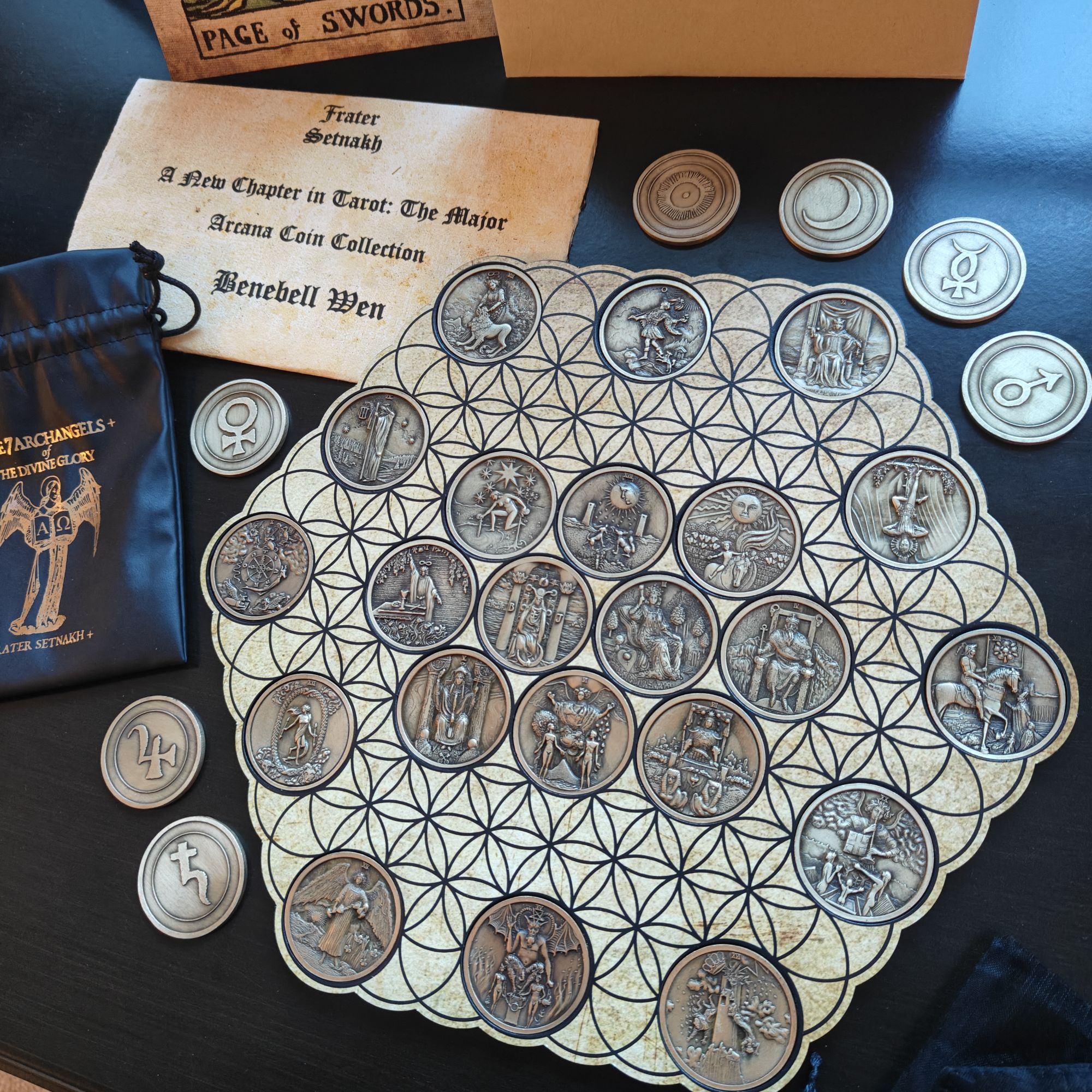
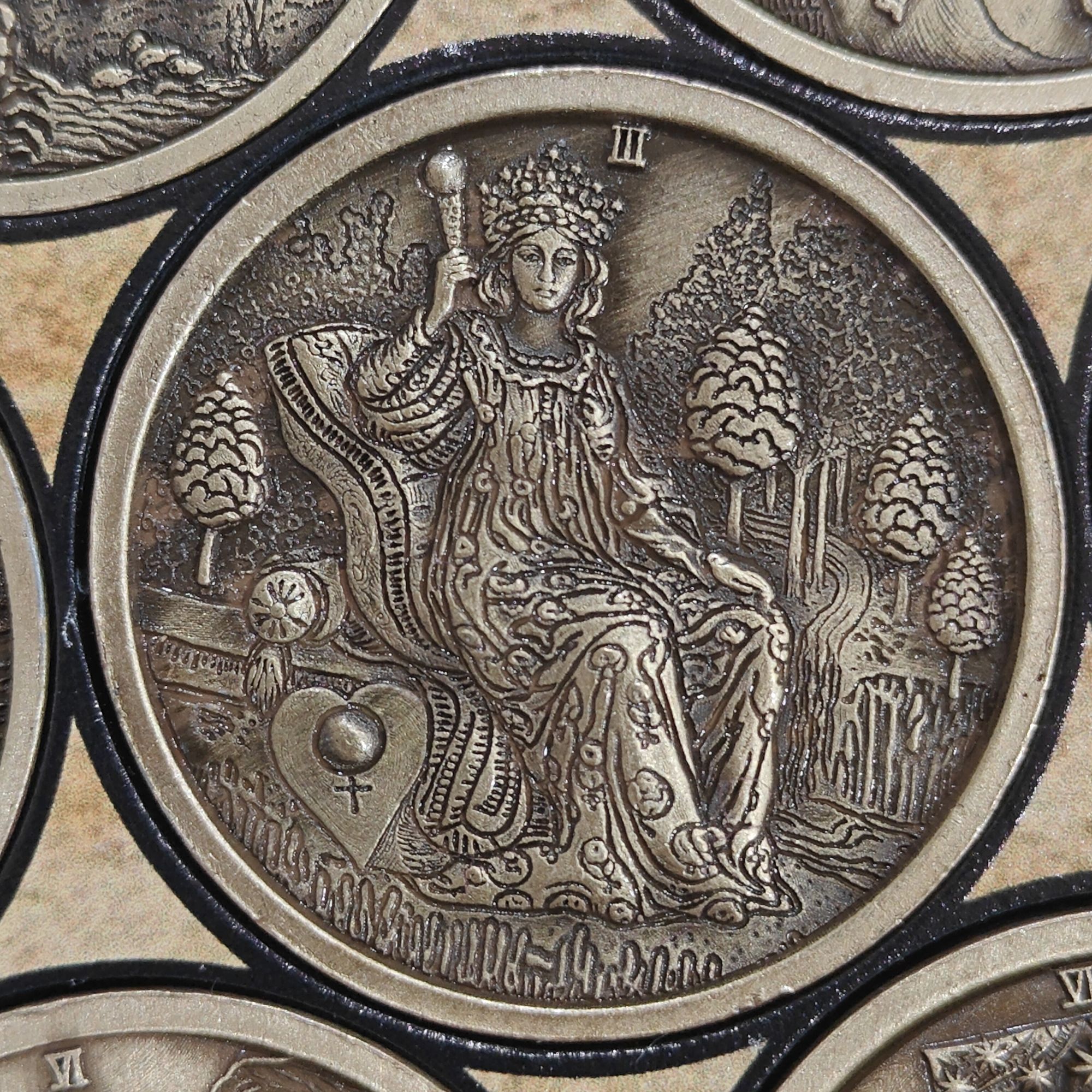
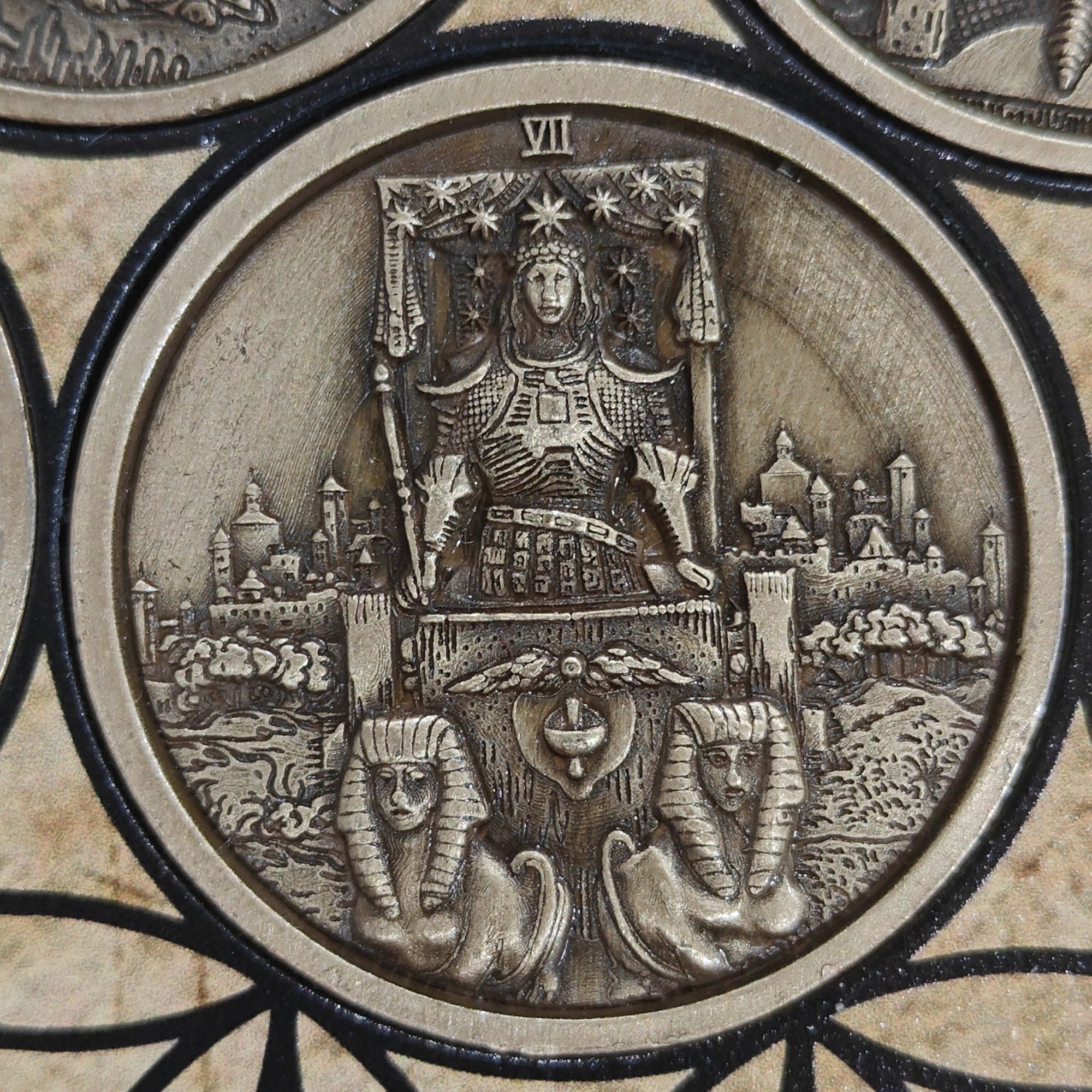
Frater Setnakh is one of the most incredible, detail-oriented artisans of ritual artifacts I’ve come across. I’ve previously reviewed the 72 Angels Talisman Coins and Cards he sent me, which I keep on display in my sitting room. Here I’ll be showcasing his latest offering, Tarot Coins, along with the Guardian Angel Coins, or Seven Archangels.
The detailing on these coins is incredible, so I’ll also be showing a zoomed-in view of several of the coins, photo essay style. You can click on any of the images and magnify the photo to see just how fine the craftsmanship is here and each coin’s delicate engraving.
Per the ritual artifact description, this is the “world’s very first collection of tarot coins inspired by the Rider-Waite deck.” And personally I have yet to see tarot coins crafted at this level of detail and intricacy. They’re simply exquisite.
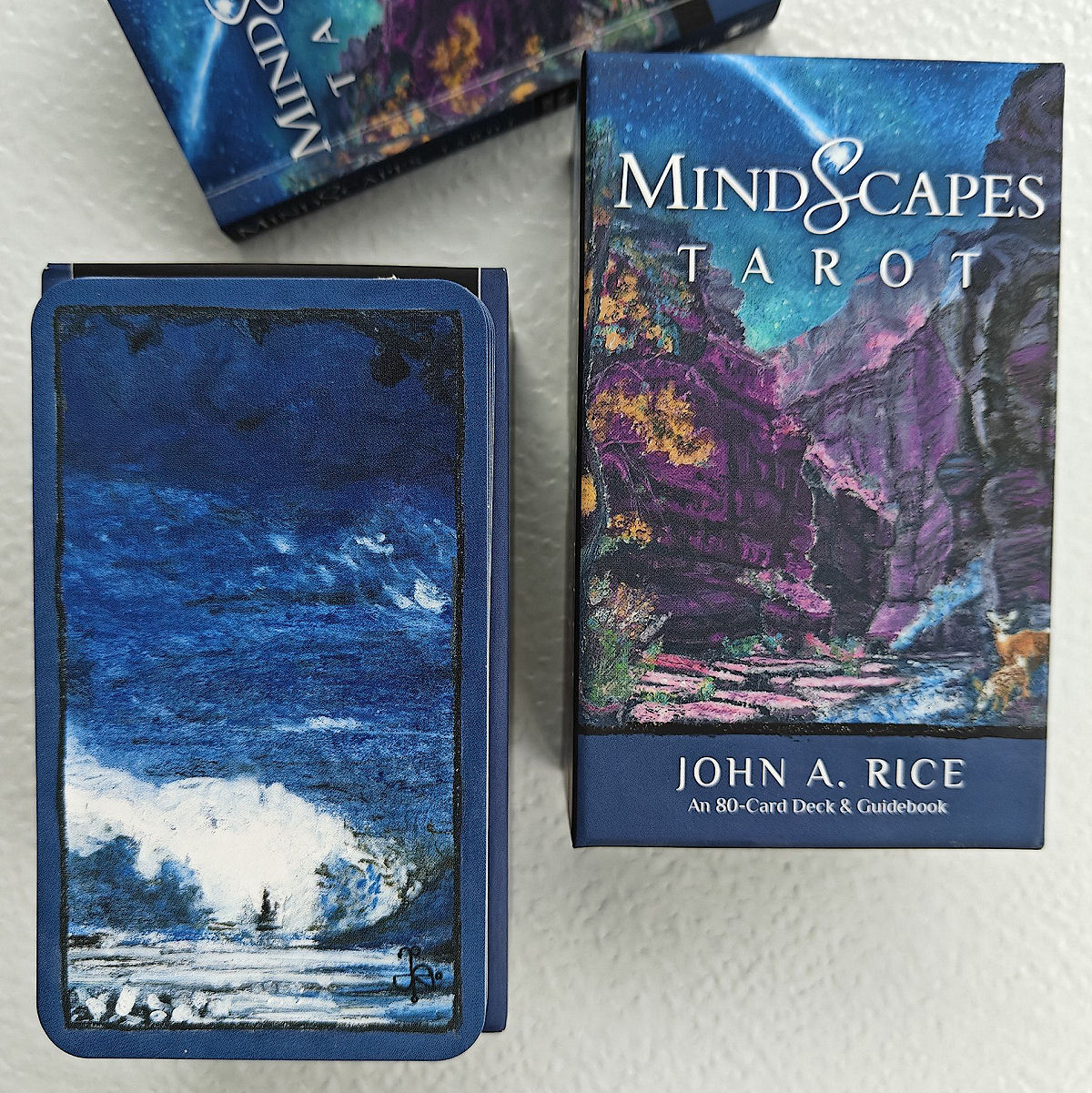
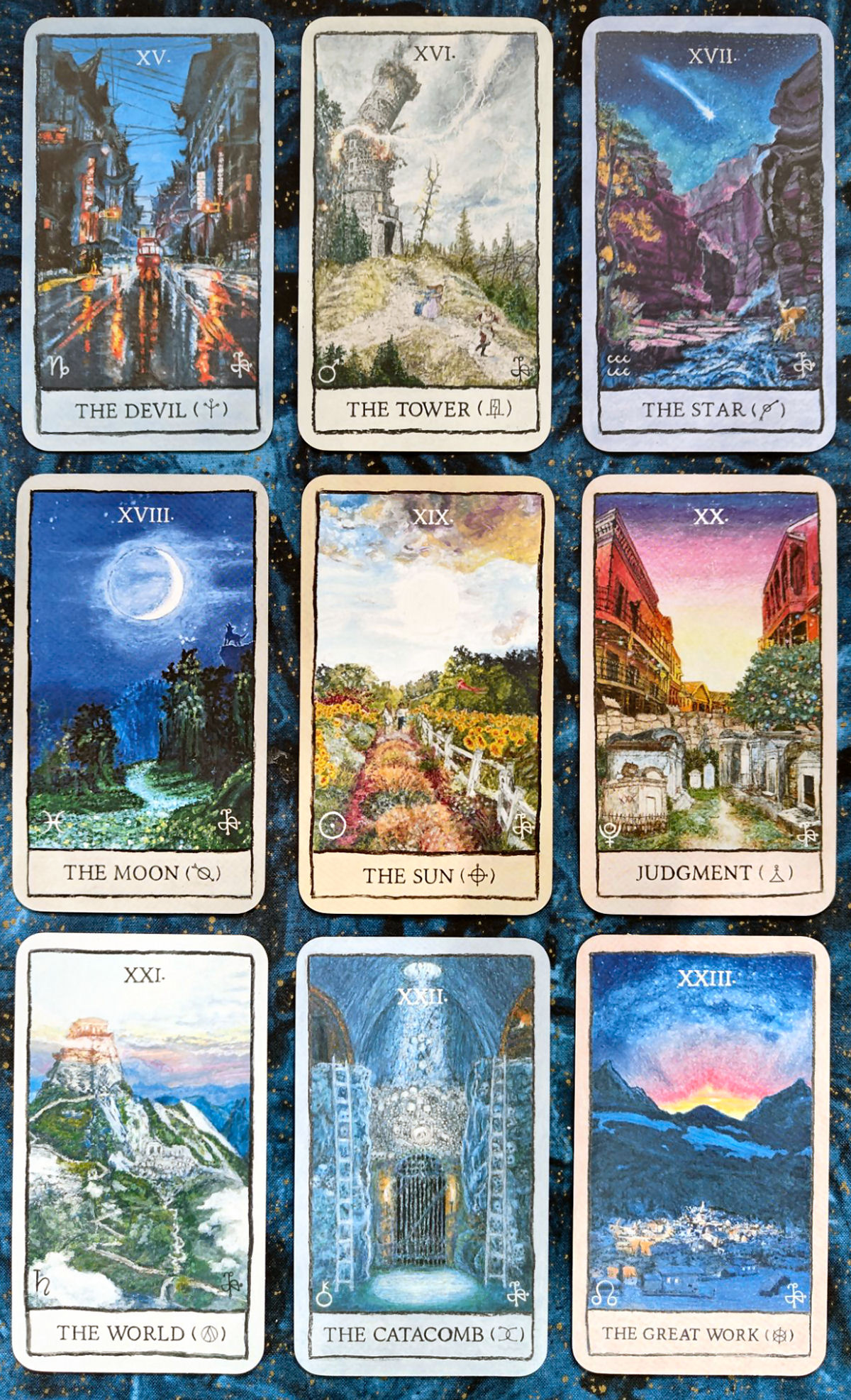
The Mindscapes Tarot by Jon A. Rice reimagines the seventy-eight archetypes of the tarot as genii locorum, spirits of place. Each card becomes a landscape imbued with its own consciousness, where the environment itself embodies the message. Rather than relying on human figures, Rice lets terrain, light, atmosphere, and color palette serve as the language of the archetype. The result is a meditative exploration of how spirit expresses through land, with each card a window into an immersive world.
Like many tarot decks conceived in recent years, Mindscapes Tarot was birthed during the pandemic. It feels especially poignant that a deck devoted to landscapes and many worlds was born during a time when we were all sheltered-in-place. When travel was restricted and the physical world felt distant and uncertain, the artist turned inward, journeying through imagination rather than geography. The resulting images captures a longing for openness and connection.
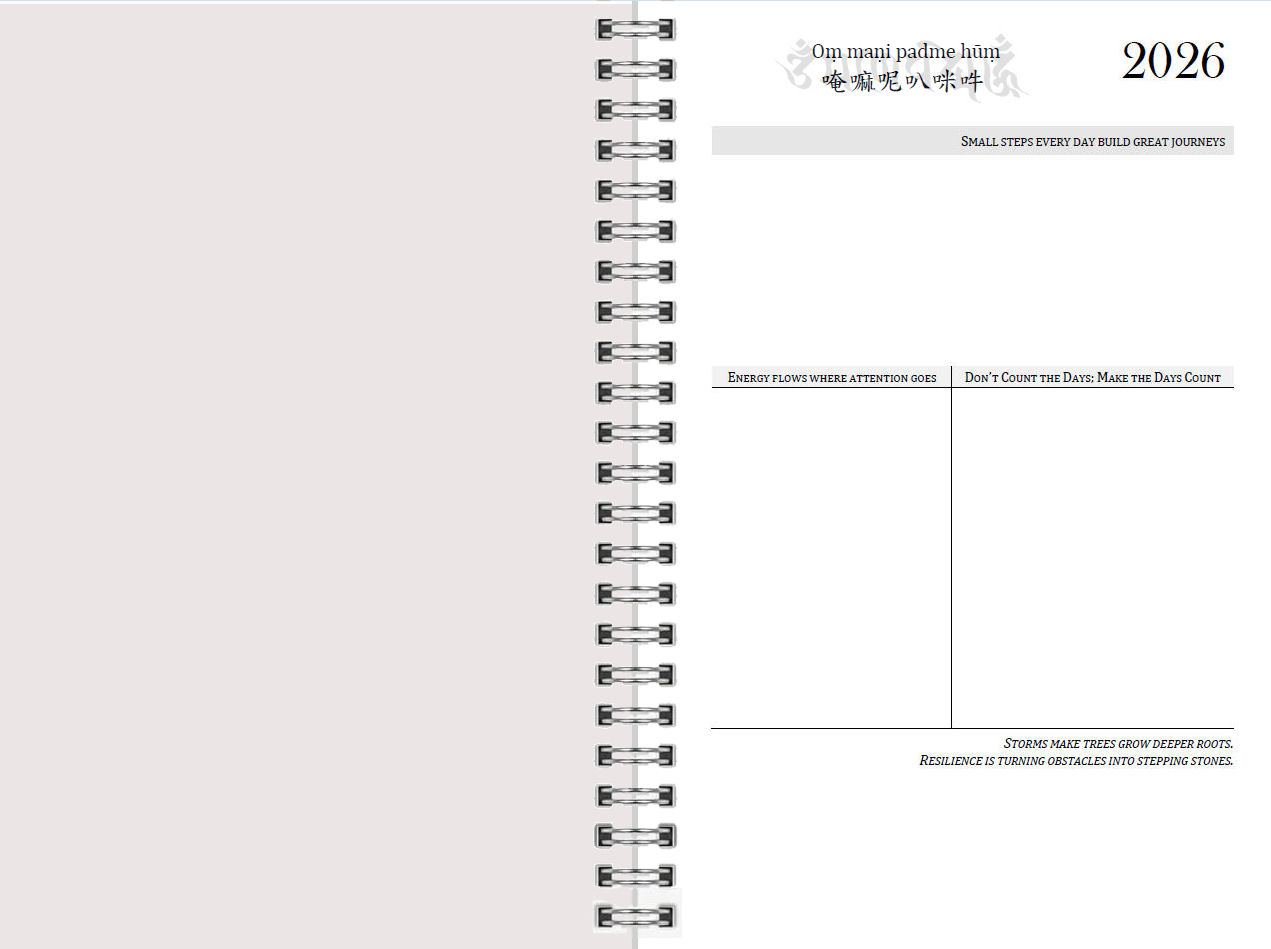
This is a walk-through of the 2026 Metaphysician’s Day Planner (MDP), highlighting new changes and edits from previous years’ MDPs and how I use my MDP. Just a reminder: If you’d like to order your 2026 MDP, go HERE.
But also, I’ve provided all the digital MS Word templates that I use to create the MDPs year to year so that you don’t even have to buy mine, but can build your own. You can download all the digital templates HERE.
My favorite part about the MDP offering is you choose your own cover art design. On THIS PAGE where you can find the template downloads, you’ll also find Dropbox links to download various cover art design options, or take the specs (you’ll find this in the MDP General Guide PDF) to design your own from scratch.
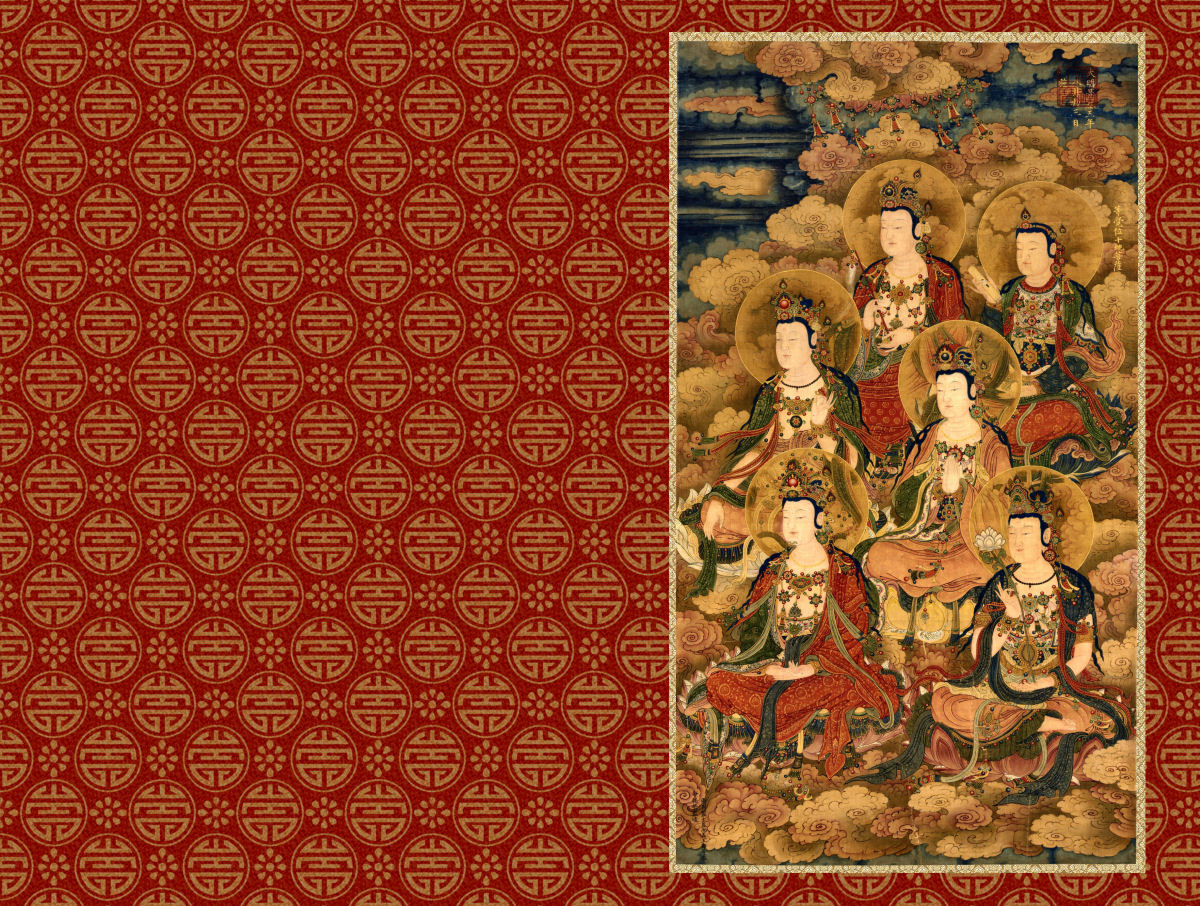
For my 2026 MDP, I’m going with this 15th century ink scroll Buddhist art of the Six Paramitas, which in Mahayana Buddhism often gets associated with the Six Bodhisattvas. This then inspired one of the journaling self-reflection page spreads that I added to this year’s MPD.
I would consider the very red cover design out of character for me. For the last three years I went with very blue choices, and heck, didn’t even get all that creative this year for my 2025 cover. I just thought, hey, this worked for 2024, I’m just going to re-use it for 2025.
NOTE: we will be out of the country and without access to our email from November 22nd to December 10th. We will process any orders received during this time by December 12th. Thank you for your understanding and patience. Apologies for any inconvenience.
The Metaphysician’s Day Planner (MDP) is going to continue, at least for another year, though for 2026, as a “Lite” scaled back offering. It’s $17 for the personalized day planner customized with your natal chart and 2026 solar returns chart, e-delivered to your e-mail address as a digital file (PDF). We recommend using Lulu.com (not sponsored) a third-party print-on-demand site to print the physical spiral-bound copy of your MDP.
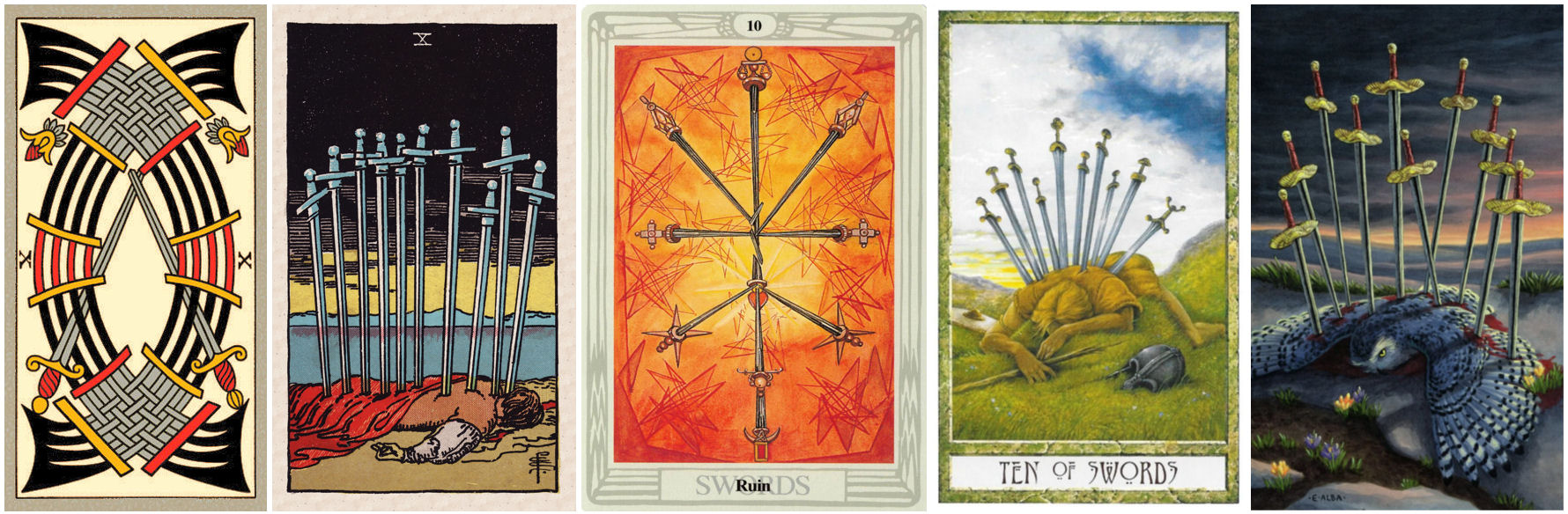
Left or Right – Which one do you prefer? The left G-rated version that leans more into psychological pain? Or the right bloody version that leans more into the physical manifestation of our suffering?
First three left to right are representative of the TdM, RWS, and Thoth, respectively; fourth is from the DruidCraft Tarot, and fifth is from the Tarot of the Owls by Elisabeth Alba and Pamela Chen
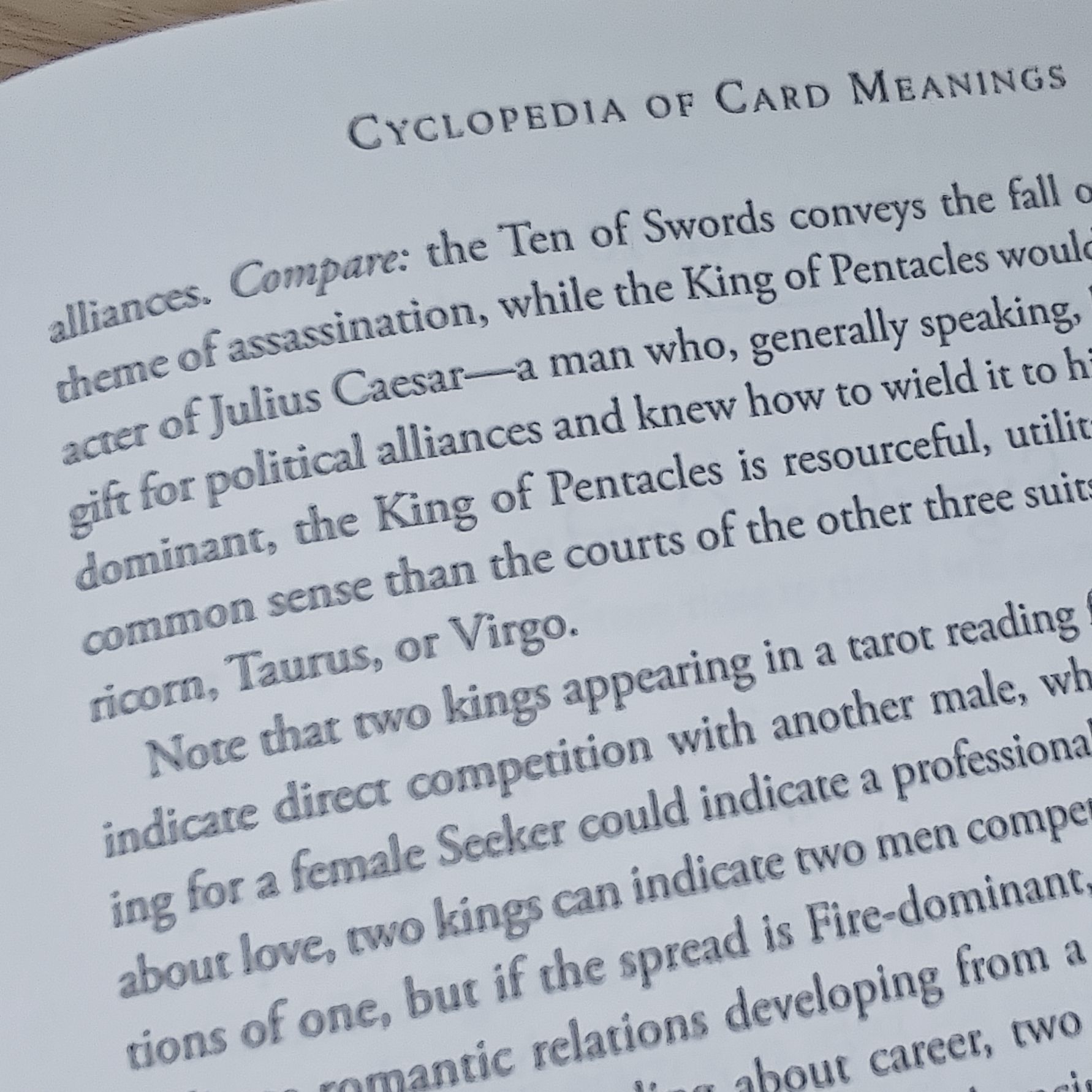
The Ten of Swords in tarot has come to be associated with betrayal, treachery, backstabbing, the pain of being double-crossed, and the breach of trust. So how a deck creator illustrates the Ten of Swords reveals a lot about their unconscious processing of these themes.
It’s also the soul wound, a crisis of faith, where faith and reason are at war. It’s the mob mentality vs. individuality. Seeing an artist’s rendering of the Ten of Swords will reveal to you that artist’s relationship to the archetype of the ego-death.
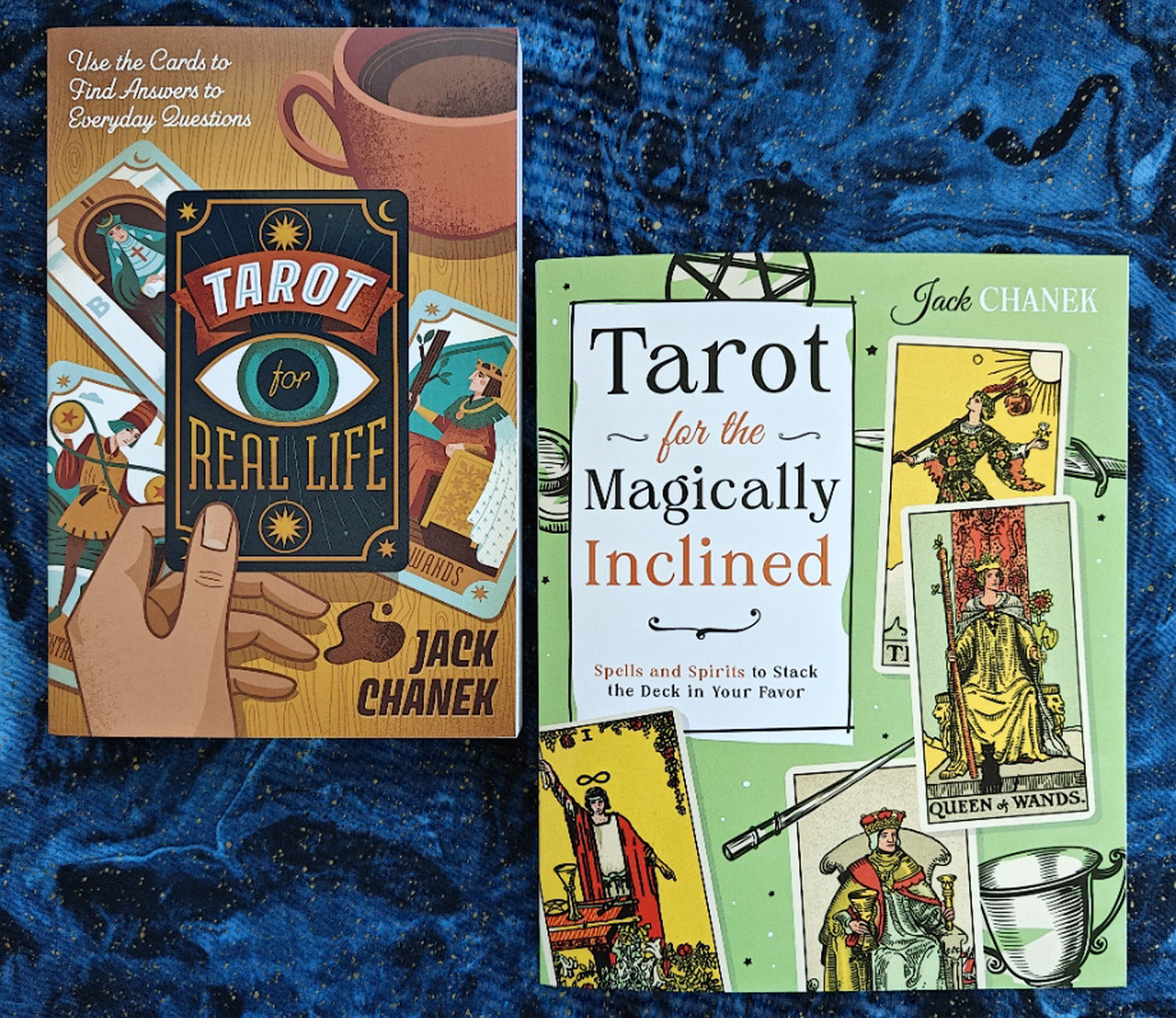
This is a wonderful sequel to Jack Chanek’s Tarot for Real Life, a down-to-earth primer that de-mystifies the tarot, whereas here in Tarot for the Magically Inclined: Spells and Spirits to Stack the Deck in Your Favor, we delve straight into the mysteries of the tarot.
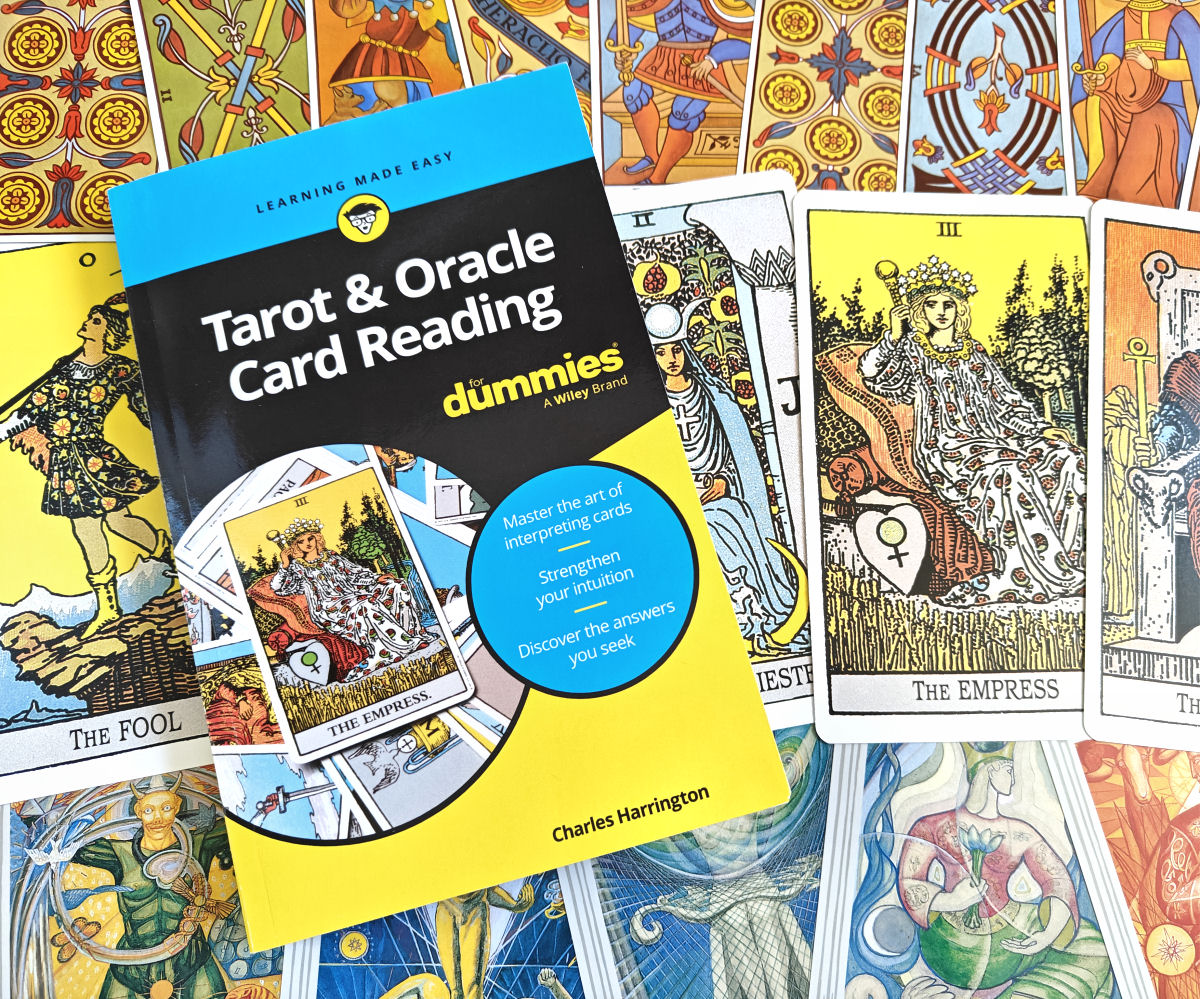
You’re probably quite familiar with the “For Dummies” learning series that were popularized in the 90s. The book series published by Wiley & Sons de-mystifies difficult subjects and is known for accessible, easy-to-understand, plainspoken writing. Wiley could not have chosen a better author for the task than my dear friend Charles Harrington.
Although the “For Dummies” series catches a kitschy rep, this is in all seriousness a legit, no-nonsense, superb beginner’s book on tarot and oracle decks — and I love the dual coverage this compact yet comprehensive book packs for you.
Just a note for those who might be interested: the “Learning the Opening of the Key” video and workbook course from 9 years ago is now freely available.
You’ll first want to click onto the below hyperlinked page to download the workbook PDF and all supplemental materials:
Random photos of my Spirit Keeper’s Tarot deck, Revelation Edition, because I didn’t know what else to use as images for this blogged reflection…
I think it was in 2022 that I first realized what it is I was witnessing: the tarot community as I’ve come to know it was dying, though it was also making way for the rise of something else.
Archangel of Mysteries, Key 13: The Reaper, and The Defector (Eight of Chalices) from the Spirit Keeper’s Tarot, Revelation Edition
The “Dying Internet” Theory
First, tarot trends don’t happen in a vacuum, immune to sociopolitical movements. In fact, we can often tie tarot trends to exactly what’s happening in the global mainstream society. Which is why we’ll start by laying the foundation and address the trending theory of a “dying internet.”
There’s this speculative idea that’s been whispered (or maybe more than whispered as of late) in tech circles here in Silicon Valley about how an organic, people-driven internet that echoes physical society is being replaced by manufactured template content and occupied by bots, more and more being generated by AI rather than written from scratch by a human, resulting in decaying authenticity and homogenization. As they put it, “the internet is dying.” It’s a slow, systemic collapse of feral, original human-authored (can’t even believe we now have to clarify) content being outrun by outsourced content mills, ad-driven clickbait drowning out the authentic individualized voices, monoculture, fake engagement, faked popularity, and more and more paywalls.
The theory isn’t so much saying the internet is dying dying, but rather, the internet as Gen Xers and Millennials have become familiar with is quietly fading away and morphing into something that will be unrecognizable to us. What was refreshingly democratizing about the world wide web is what’s dying.
A “Dying” Niche Tarot Community
I think I need to explain myself here. It’s not that I think the tarot, as a niche interest and esoteric study, is dying or will ever die. That will always reinvent itself and persist. It’s the form of the niche tarot community as those of my generation have known it that’s dying and soon to reincarnate into something we may find unrecognizable.
When the tarot first went online (at least as I recall and per my personal participation) back in the 90s, it was almost entirely conversational. We were discussing tarot, and often in a very nerdy, niche way. We were engaging in dialogue, debating, debunking, sharing, and not merely broadcasting canned information about it.
I feel like discourse used to be more in-depth, whereas now, online content about tarot is keyed to quick consumer consumption, because if you don’t, then your content doesn’t generate high engagement, whereas when you do play the SEO game, your content rises to the top. We’re rewarding homogenization.
And again, this isn’t something that shifted overnight. Any of us who’ve been here a bit have watched it happen right under our noses. Many have griped about it, especially back when the online tarot community was still more conversational. Nowadays there’s no more griping or controversial “drama,” no more raw TMI personal ramblings, because it’s all highly-edited strategically produced vanilla content keyed to generate ad revenue, rather than for sincere interpersonal discourse. The disintegration and morphing into the (to me) unrecognizable didn’t happen like a Tower moment; oh no, it’s been slow, gradual, in a normal wear-and-tear sort of way.