I previously showed the above in a #54321tarot tag. Whether you get the coins or cards, if you’re interested in the 72 angels correspondences, there’s a free download from me at the very end of this walk-through.
The download is so you can do a direct comparison between the 72 angels and tarot correspondences per Christine Payne-Towler’s Tarot of the Holy Light and the tarot correspondences per Frater Setnakh.
The Gold Lyre Tarot is a feminine spin on the classic RWS, representing the divine feminine of today’s blended American culture and gender-fluid evolution. It is the exquisite creation of two best friends, Lacy Martin and Christine Scanlon, who combined their talents in art and divination to produce this tarot deck that balances the scales between modern and traditional.
The deck’s namesake is attributed to Apollo’s lyre, Apollo being the god of prophecy and music, and the lyre a symbol of wisdom and moderation. Hermes was the creator of the golden lyre. Later merged with the Egyptian god Anubis to create the syncretized Hermanubis, the namesake also calls upon the god of translators, interpretors, and conductors of souls. Likewise, the Gold Lyre Tarot holds songs and messages that only you can hear.
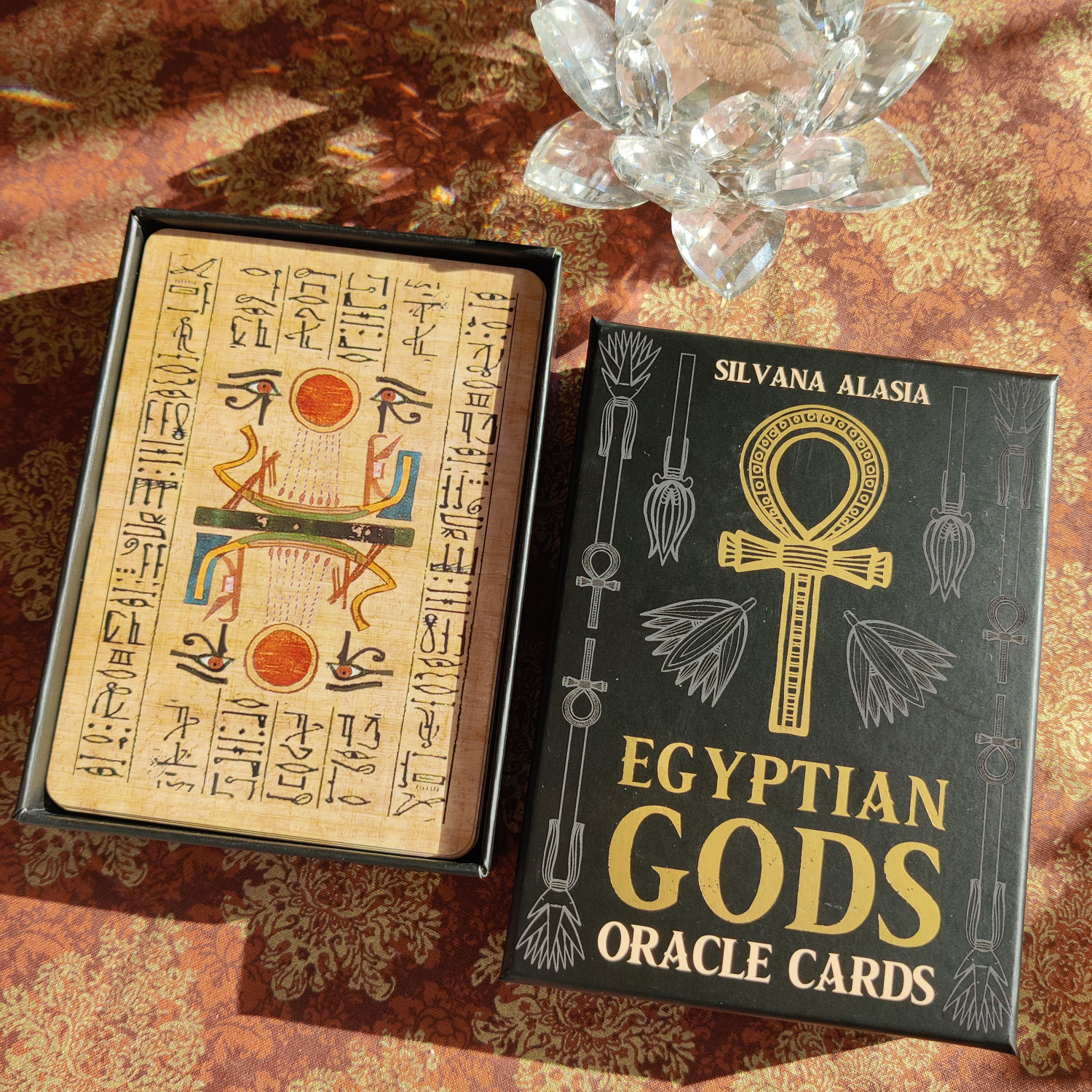
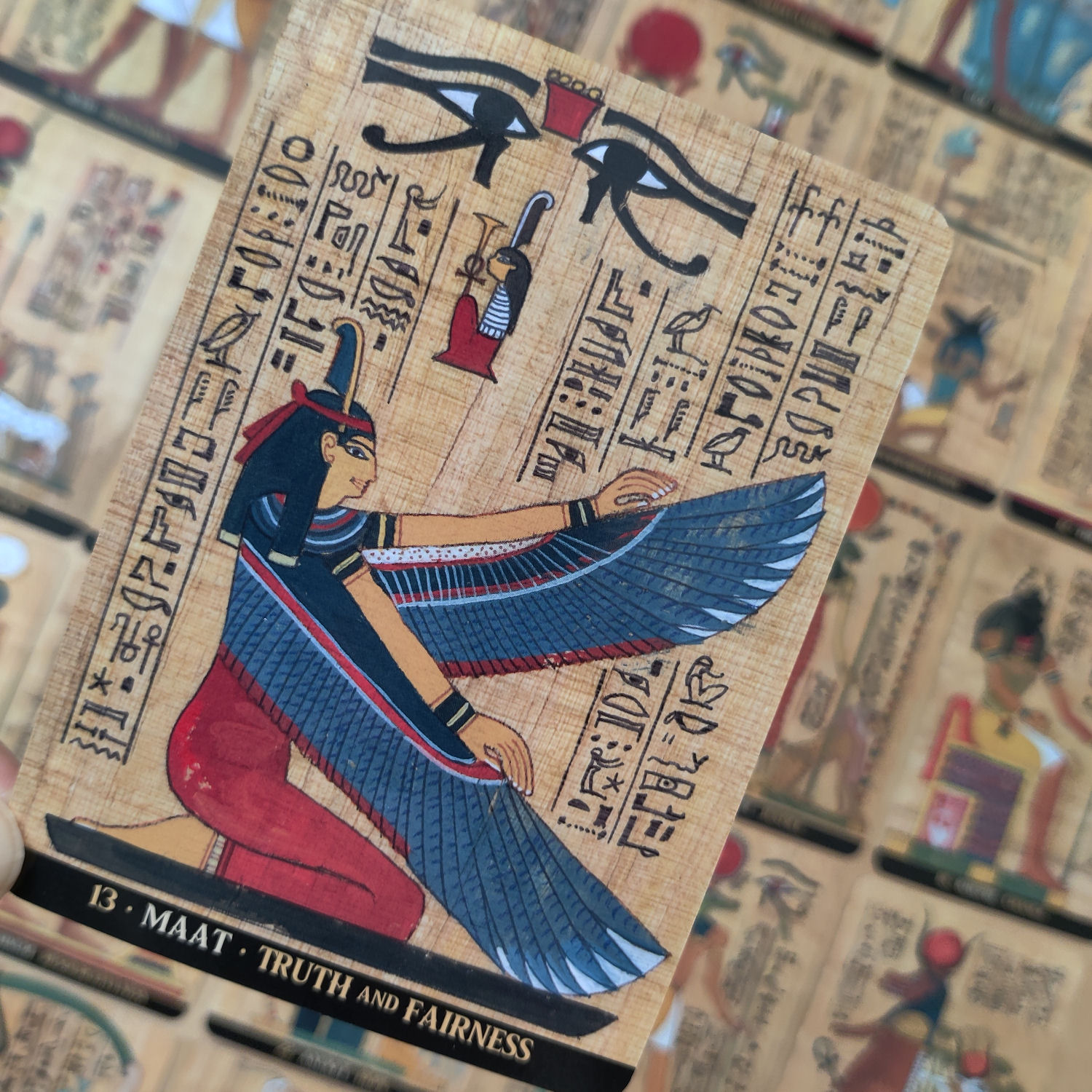
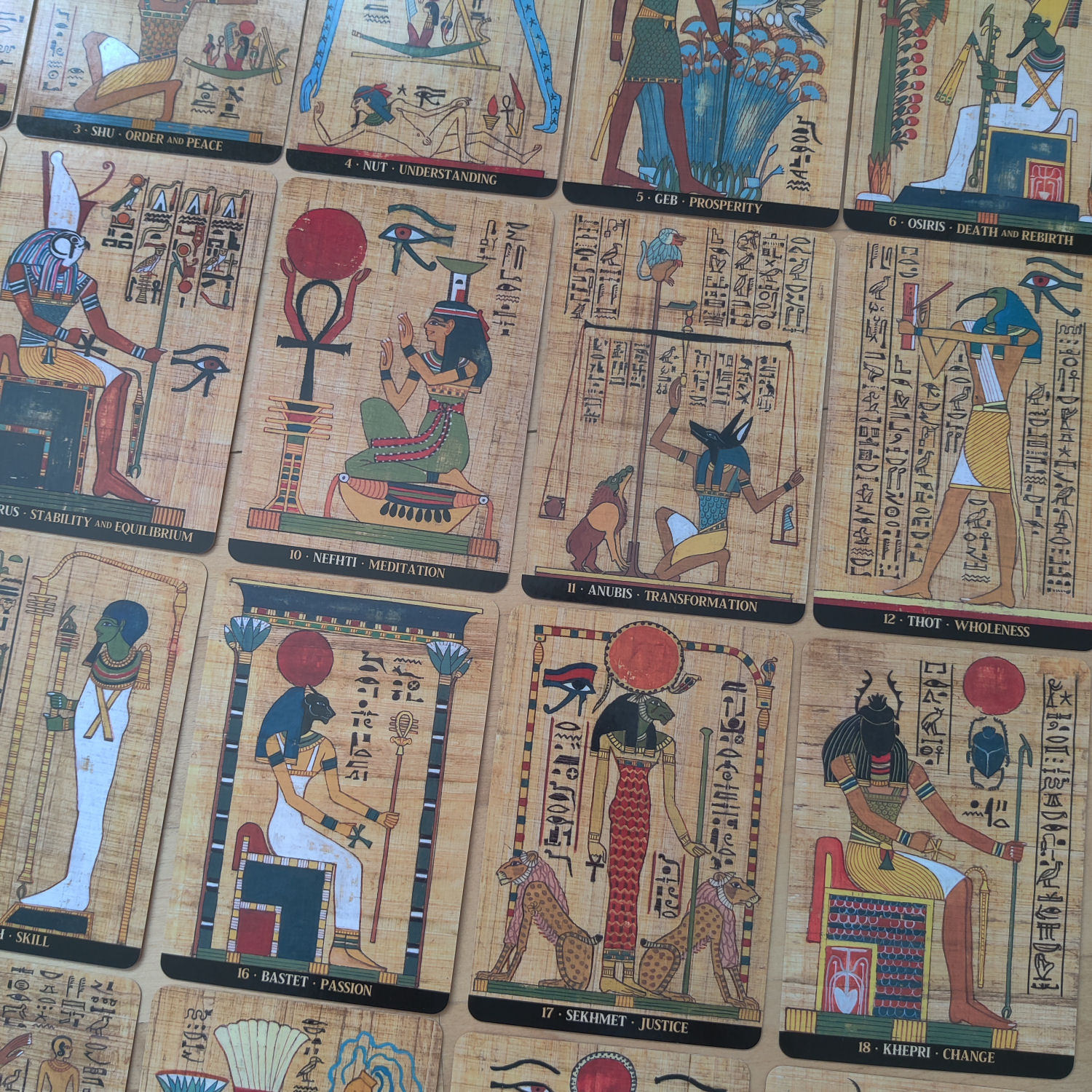
Oracle of the Egyptian Gods by Silvana Alasia features portraits of Egyptian deities painted in tempera on papyrus in the ancient Egyptian drying method.
It was the art style really captivated me, and then as I explored the deck further, it turns out to be of the most well-done Kemetic-themed decks I’ve seen in a while.
This is a deck of 36 cards, each bringing messages of wisdom, warnings of danger, advice, and protection. Each card features a god or goddess from the Egyptian pantheon.
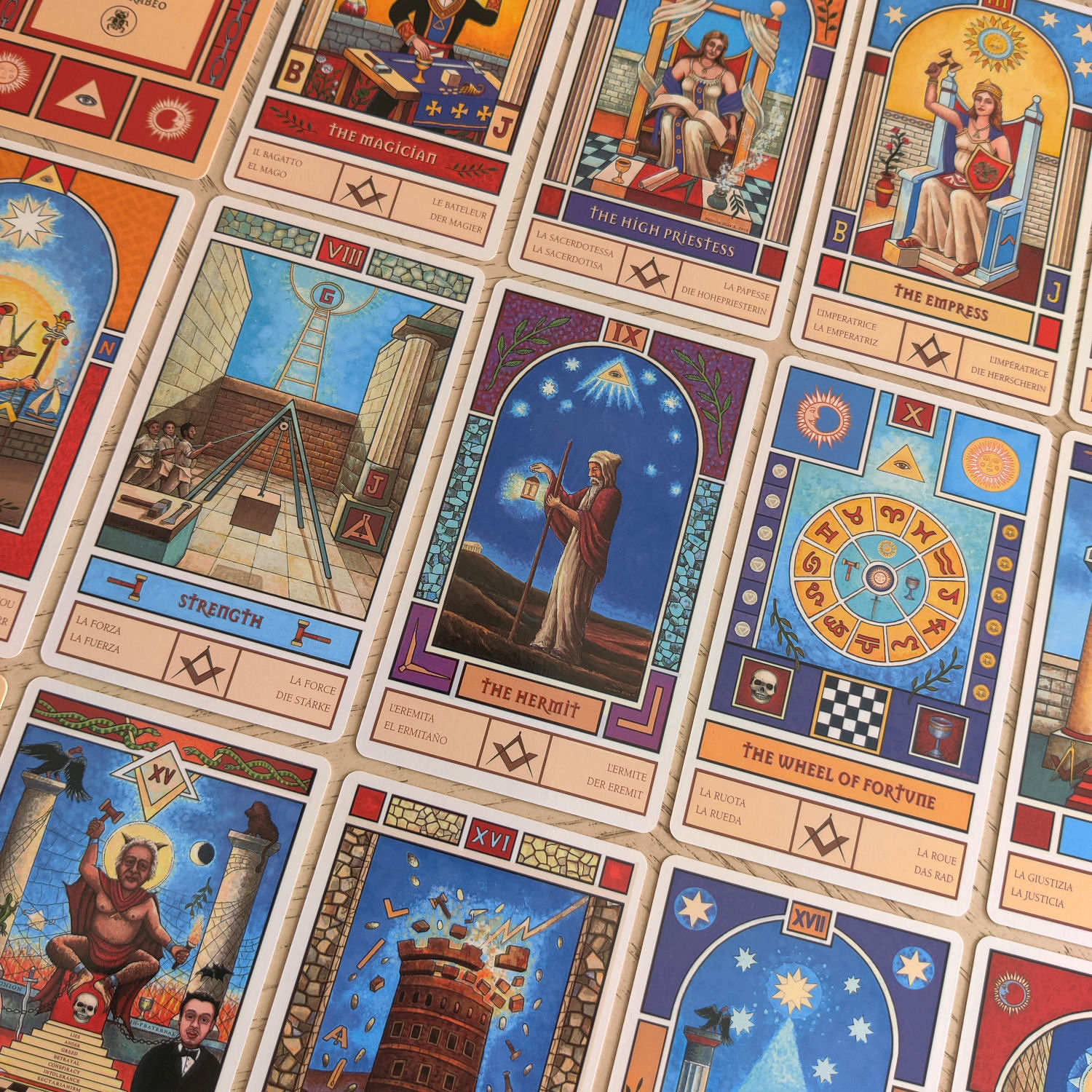
The Masonic Tarot came out in October 2022, created and illustrated by Chilean artist and academic Patricio Diaz Silva, and it is in the top 10% of the most well-done tarot decks in recent years. The illustrations for the Major Arcana are exquisite, as are the court cards.
Do note, however, that this deck has elected to go with non-narrative illustrations for the pips, which works for the Masonic Tarot given its ceremonial leaning purposes.
The deck is designed as a “gateway into the secret mysteries of the soul” integrating the sacred symbolism of Freemasonry. The premise melds together the arcana of the tarot with models from Masonic rites, with heavy emphasis on alchemy.
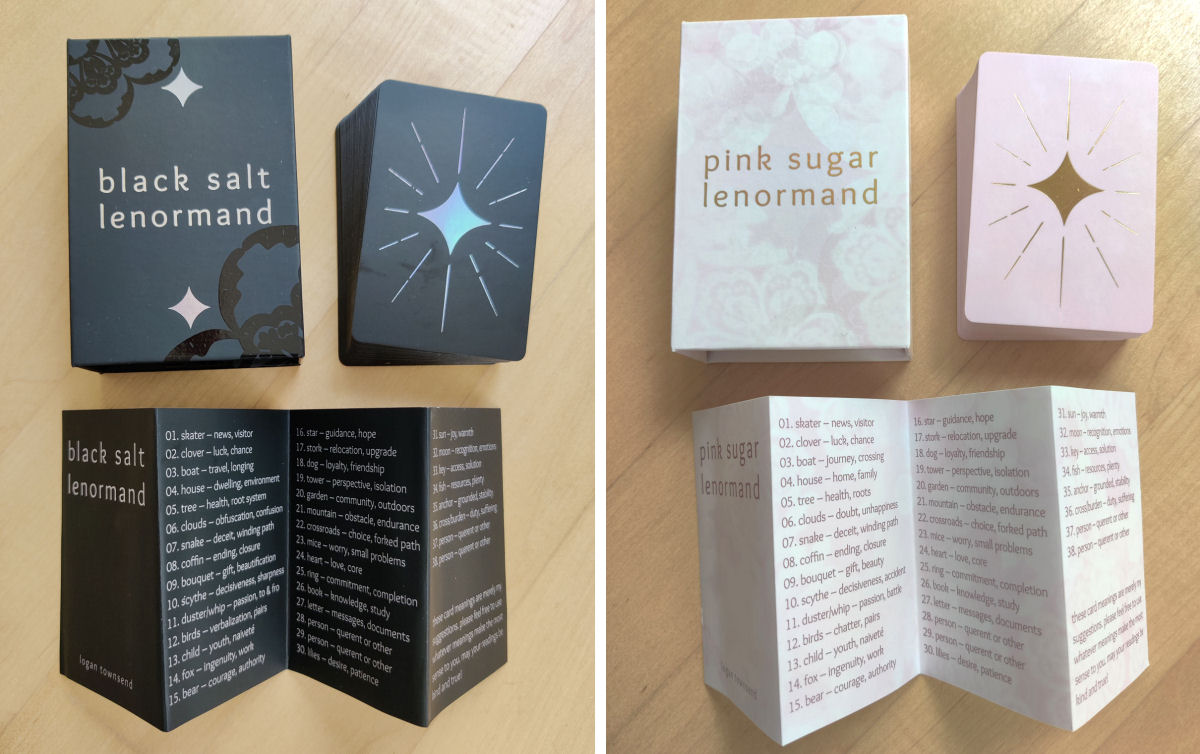
The Black Salt Lenormand has the emblems printed in metallic silver while the Pink Sugar Lenormand has the emblems printed in metallic gold, though both have that rainbow holographic effect. Both come with a fold-out pamphlet of keywords for card meanings and a beautiful magnetic clasp keepsake box.
There is a nostalgia to this deck for 90s kids. I love that the first card is Skater instead of Rider, reminiscent of the skating rinks we’d hang out at in junior high and high school.
The selfie function is hard. I never know where to look…
This is a TarotTube tag started by @Kelly Bear but I’ll be participating via blog post. =) I was tagged by the lovely and precocious @JessReadsCards. The prompt is to share 5 tarot decks, 4 tarot books, 3 tarot spreads, 2 tarot reader habits or tarot reading paraphernalia, and 1 piece of advice (or alternatively, 1 tarot card you’d like to embody).
Ack. You can see my Invisalign attachments in the above photo. And of course now that I called it out, it went from 50% chance you’d see it to 100% chance you’ll see it. Also, shameless off-topic plug for my new book, I Ching, The Oracle. The first few months after an author has released a book, you’re just gonna have to brace yourself for a lot of promo. =D
I don’t have a dog in this fight, no skin in the game as they say. There is more benefit to me opting out of this conversation and staying quiet. In fact, speaking up would be ill-advised; I only stand to lose.
First, a quick statement about my personal background, as that will be context for my perspective. I am a self-taught illustrator and in the late 90s was highly skeptical of using digital art in tarot. Everything people who are against AI are saying right now about AI in tarot art was exactly my perspective of digital illustrator tools in tarot 30 years ago (because I did not understand digital art).
At the time I was alarmed to see how many digital artists could create something with the computer that looked almost too perfect, and do it so quickly, but then if you take away their tech and put a pencil in their hand, they could barely do freehand sketches.
However, my judgmental opinion was on the basis of a very superficial understanding of digital art. As I learned more about the process and was exposed to more digital artists as individuals, getting to know the intricacies of their creative process, the more my opinion evolved. I met more and more digital artists who could do phenomenal freehand sketching, and who had simply chosen digital software as their medium, not unlike deciding on acrylics, or pastels, or watercolor, or clay.
The author, Argus Kaldea, is an astrologer and tarot reader based out of Greece. You might have heard of him or seen his popular videos on TikTok as @MoonPriest.
Not only will you learn the astrological correlations connected to all 78 cards in the tarot, but also how to integrate these two tools– tarot and astrology– together. The tarot reader will learn astrology, and the astrologer will learn about the tarot.
Since the opening premise of the tarot deck I created, the Spirit Keeper’s Tarot, was to explore and experiment with the concept of animism, I thought I might chime in. To that end, I’d like to separate out the discussion on deck personification and the discussion on animism.
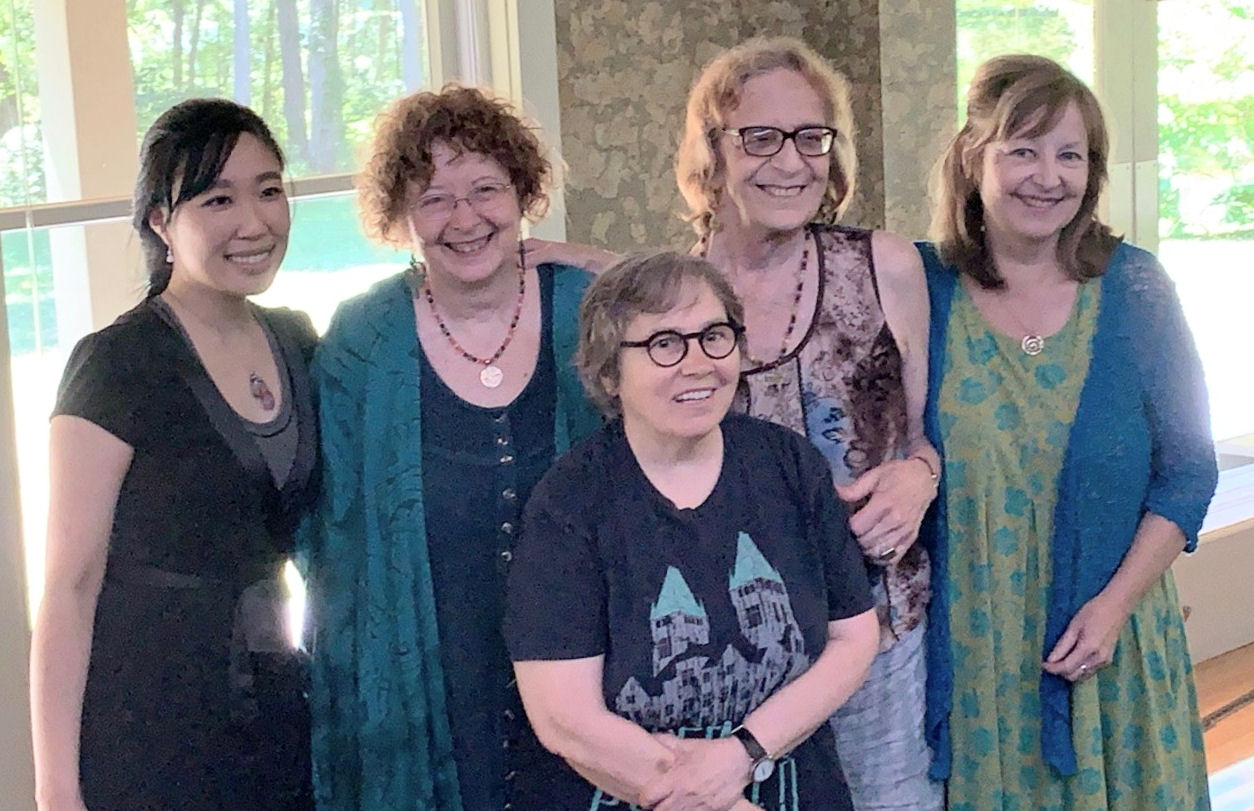
2019 Masters of the Tarot Conference. Left to Right: Me, Mary K. Greer, Terry Iacuzzo, Rachel Pollack, and Joanna Powell Colbert
I was first invited to present at the Masters of the Tarot Conference back in 2019. The Conference takes place every July at the Omega Institute in upstate New York, and was founded by Rachel Pollack and Mary K. Greer.
Opening ceremonies and introductions happen on Friday evening, with a starter workshop or master class as your night cap. Then the keynote speaker events begin first thing Saturday morning and go until Sunday noon. Interspersed throughout are discussion panels for Q&As and moderated topical conversations. The event ends with all of us having lunch together.
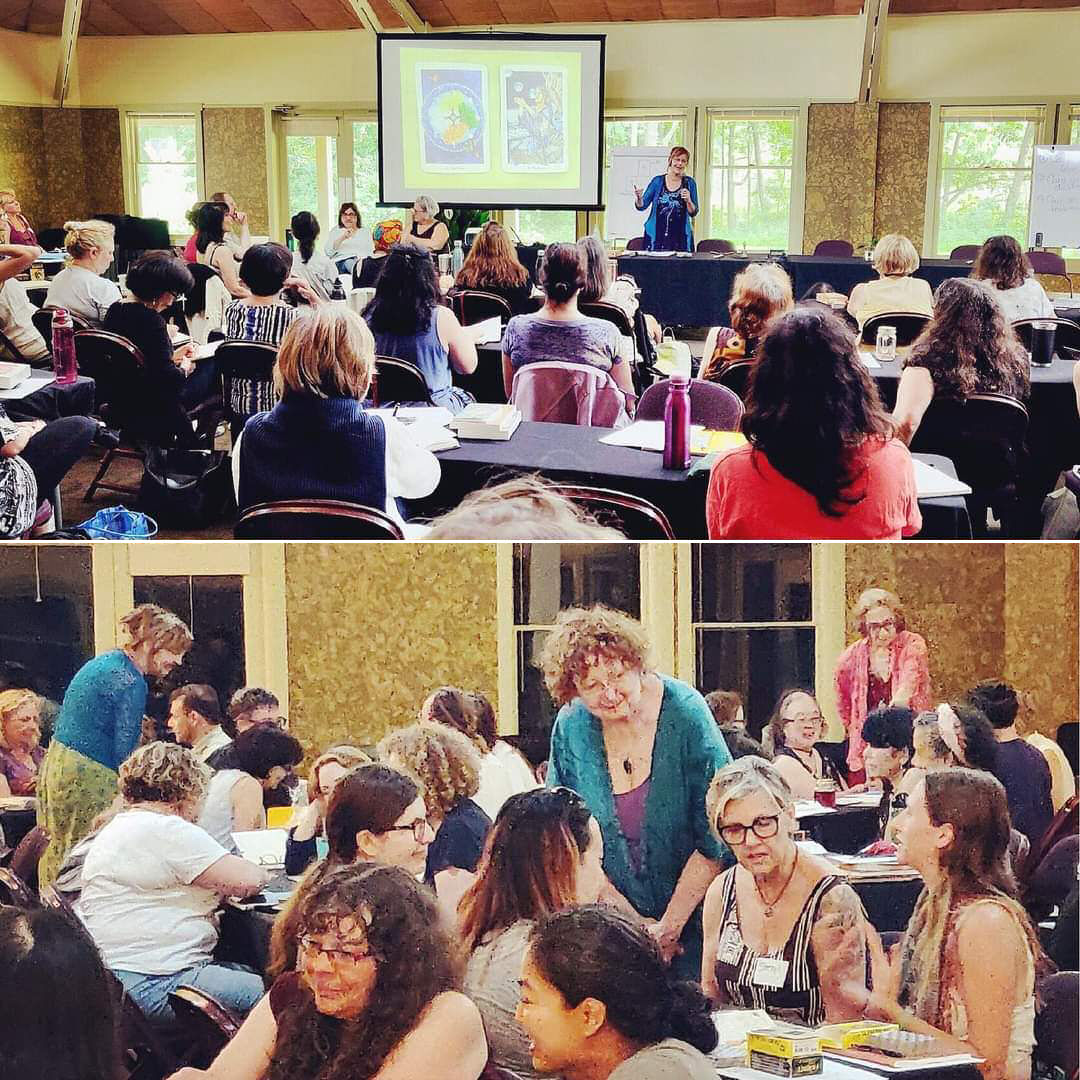
From the 2019 Masters of the Tarot Conference. Photo courtesy of Joanna Powell Colbert (IG: @joannapcolbert)
I’ve had an incomplete draft of a post-event write-up since July 2019 that I never got around to finishing and posting onto this blog. Sigh. And now the 2023 Conference has come and gone, which was the second time I’ve presented at Omega.
So this blog post is going to cover both the 2019 and the recent 2023 events.








 benebell wen