
I guess I’ll start with the ending spoiler: this was not for me. Yet if keto was a cult (sometimes I think it is), the Hubby says he’d join in a heartbeat (he jokes, but you get what he’s saying). The Hubby now swears by keto.
Everything about having to be on a ketogenic diet fundamentally runs against my impulses, inclinations, my intuition, my preferred lifestyle, my joie de vivre, like this was 30 days of stripping away the meaning of life from me.
Also, at the tail end of this blog post I’ll share some woo thoughts on keto, and what I felt like was the impact of a ketogenic diet on those who are psychic or hyper-intuitive.
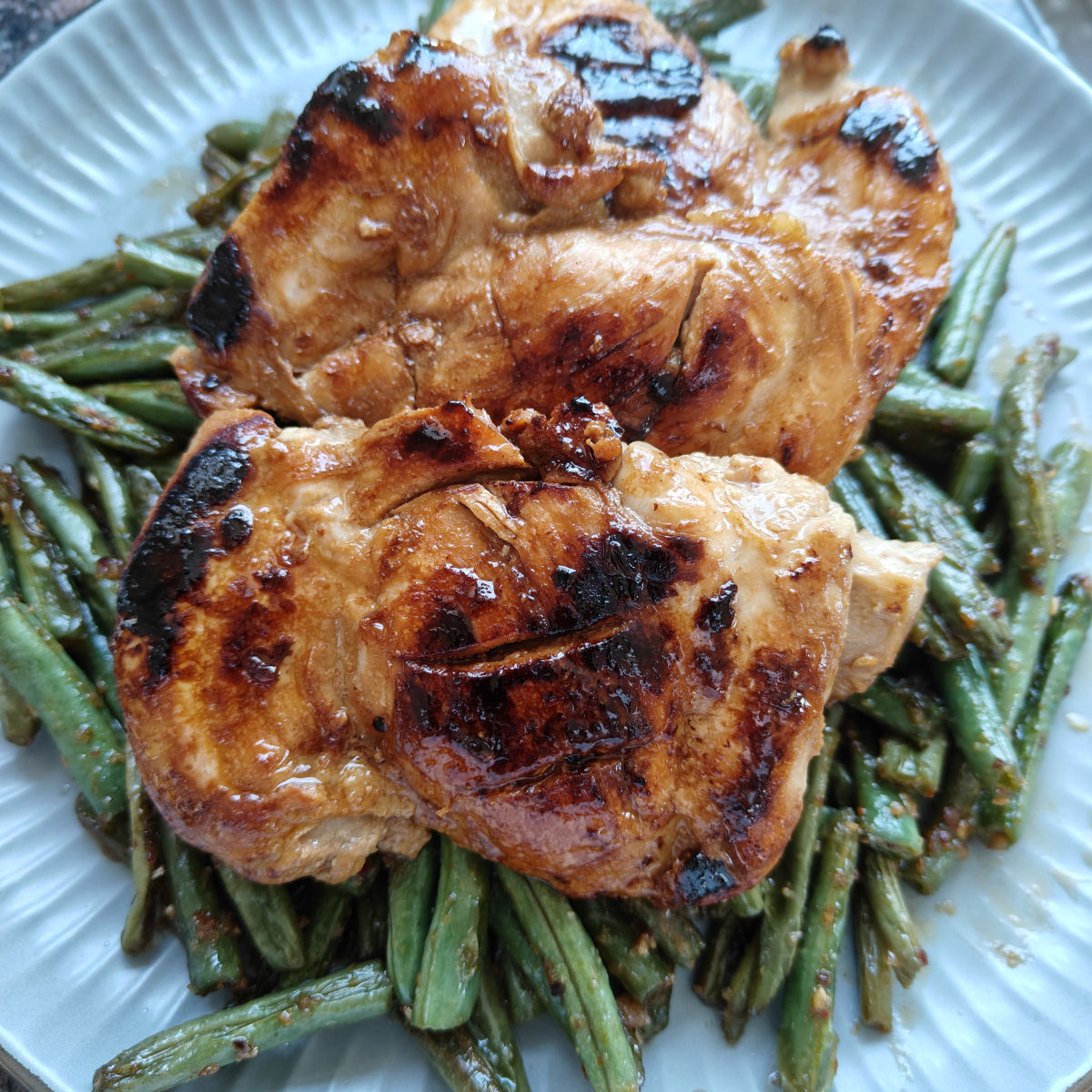
Balancing out the text reviewing my 30 days of keto will be keto food pics. I’ll also share a pdf download of 30 days of keto dinners. On weekends I meal-prepped for weekday breakfasts and lunches, i.e., fridge fully stocked with soft-boiled eggs, various seasoned ingredients to easily build salads, foods cut and at the ready for easy charcuterie boards.
30 Days Keto: Meal Plan Print-Out
In case you’re curious, here’s a print-out of what we ate for 30 days:
Click here for the PDF
To any keto purists reading this, yes, our meal planning included several vegetables considered “not keto-friendly,” but are nutrient-packed. I found that I had to integrate “not keto-friendly” vegetables into our meal planning to avoid vitamin deficiencies.
The problem with the keto diet (if I may…) is the high risk of nutrient deficiencies, and if you eat “dirty keto” (more on that later), then you’re probably taking in way too much sodium, way too much bad fats, etc. If you aren’t hyper-aware of what exactly you’re eating just to stay keto, you’re putting yourself at a much higher risk for elevated cholesterol, liver stress, kidney stones, and if you already have digestive issues and lack of gut microbiome diversity, you’re gonna exacerbate those conditions if you’re not super-careful on keto.
Before we continue, in case it’s not overtly obvious to you already, I’m not a nutrition scientist, I’m not an anything at all that would remotely qualify me to talk about dieting or ketogenesis. This is just a lay person cooking food in a lay people kinda way and sharing my lay person opinions on something I know nothing about (but experienced for 30 days).
Oh, and one more thing about that print-out of meal prep. Cuisine-wise, it’s primarily East Asian, but California (specifically Bay Area) influenced, as “farm to table” as practicable, local and seasonal. If that’s not your palate, then the print-out is going to be quite useless to you. =P

First off, interestingly, Hubby and I, eating the same exact foods for 30 days, had totally different experiences on keto. He loved it and is ready to drink the keto cult kool-aid, all-in. Whereas I hated it.
Hubby’s feedback: While he did experience “keto flu” that first week, he promptly bounced right back the week after, and loves how energized, how revitalized, how alert and sharp being on keto made him feel.
Meanwhile I’m grumbling, yeah, because you weren’t the one exhausting your brain on meal planning and nutrition balancing, and having to do exhausting weighing, calculating, all the maths. Keto is a lot of maths.

Trying a 30-day keto challenge was Hubby’s idea, not mine. For those of you who know me a little bit, I bet you guessed that already. Any doctrine that basically says fruit is bad is not going to sit well with me. My natural diet is very fruit-oriented.
The average North American diet consists of about 225 to 325 grams of carbohydrates per day, and the average East Asian diet is similar, about 250 to 350 grams of carbs. Keto means slashing that down to no more than 50 grams per day.
My rice-eating ancestors were not having it. I was missing carbs so much!

When James first explained keto to me, I looked back at him like he was a sociopath. But sure, I can try it for 30 days. Plus, apparently keto is a good diet for those with diabetes, which the father-in-law has.
On the positive, trying keto for 30 days got me to permanently cut down on my sugar intake, oh and also alcohol intake. I used to pour a ton of sweet creamer into my coffee every morning, dumping it in with abandon, and will have taken in 20 grams of sugar before 10 am. As I said, I eat a lot of fruit, I like honey with everything, and I have a very bad sweet tooth. There is more cavity filling in my mouth than real teeth because of how much I’ve loved sweets since childhood. But the keto challenge motivated me to find alternate, healthier ways to get my sweet fix.

Likewise, we’d go through a bottle of wine weekly, Hubby liked a night cap of bourbon, single malt whiskey, moutai, or kaoliang liquor. Also, we often have huge fruit harvests from our fruit trees, and when that happens, I make a year’s supply of fruit liqueur that we also drink weekly. On keto, basically all alcohol got eliminated. After the 30 day keto challenge, we both cut back on the quantity of alcohol we had weekly.
30 days of keto helped me to establish a permanent reduction of sugary and alcoholic drinks. Not to mention I typically bake cookies from scratch every 3 days and between James and I, eat a dozen in that time. 30 days of keto helped both of us significantly curb our nightly cravings for sweets. Also, I now no longer need highly-processed candies and pastries to feed a sugar craving; fruits, even carrot pudding, will suffice. So to me, that’s a win.

Packaged keto bread from Costco was the one processed food we allowed ourselves. Apart from that, we tried to keep it “clean keto” (as opposed to “dirty keto” … this is the lingo that the keto cult uses…). Keto bread is surprisingly delicious. Even if I weren’t on keto, I would still of my own volition choose to eat keto bread.
“Dirty keto” using the keto cult’s lingo, is the easier approach to staying keto, where you eat highly processed foods, because all you care about is zero to low carb, and not caring about how you stay zero to low carb. It’s like eating burgers with no buns, bacon, sausages, using artificial sweeteners to still get your sweet fix and “macros over ingredients.” Meaning all you care about are the numbers.
“Clean keto” means you prioritize ingredients over macros. It’s almost all cooking from scratch, as “farm to table” as you can go, and focusing on nutrient-dense, anti-inflammatory whole foods.

Our operating specs for “clean keto” was fresh whole vegetables, wild-caught fish, trying to source the fat from so-called “healthy fats,” lots of dark leafy greens, no artificial sweeteners at all, and keeping close tabs on micronutrients and fiber intake. Instead of artificial sweeteners for getting our sweet fixes, I would make carrot puree (literally just mashed carrots), which became our “dessert,” along with berries and, for a very special, special treat, sparingly, dried persimmons.

As for carbs, personally I don’t get the current trending phobia around carbs. But I do think it’s helpful to not over-rely on carbs to get full, and instead, diversify your food palate and get full on a wider assortment of ingredients and food groups. Actively monitoring my carb intake for 30 days helped me to be more mindful of not getting full through just carbs.
Likewise, I remember back in the early 90s, it was fat we feared and we were taught the food pyramid where you were supposed to eat, like what was it, 8 to 11 servings of carbs, like breads, pasta, and rice? And now fashionable diets like keto are all about embracing fats. But me personally, if I’m going to try out a high-fat diet like keto, then I need to be ever mindful of what kind of fat, i.e., emphasis on monounsaturated and polyunsaturated fats, esp. omega-3s (e.g., salmon and keto; keeping a bag of chia seeds on hand for snacking).

For anyone who does want to try keto, you have to be hyper-vigilant about monitoring your cholesterol levels. It’s by nature a high fat diet, and while fats aren’t on their face bad for you if you are consuming it in a healthy, balanced way, the higher percentage of fat in your macros, now that you’ve taken out carbs, puts a person at a significantly higher risk for cholesterol-related problems.
Keto is not for the lazy, and not for those who don’t like planning, tracking, counting, accounting, and adhering to strict, narrowly-tailored regimens. It’s so much maths!!
Now let’s review process.

In Asian home-cooking, it’s common to sprinkle in a little bit of sugar into, well, most dishes you’re cooking, even if it’s a totally savory dish. You won’t even know there was sugar added, but that little sprinkle goes far. It neutralizes any bitterness, tempers anything sour, and enhances the umami of savory dishes. Likewise, adding a spoonful of honey to most sauce recipes is a staple.
Now that we were going keto, no more sprinkling of sugar and no honey.

To not fall off the wagon when on a keto diet, I would say it’s a must to do a lot of advanced planning, meal and snack prepping, and tracking your macros and nutrient intake (by the gram) like it’s a bank account and you’re in poverty.
I had to do a ton of math, take out a scale to weigh all my ingredients every morning, input everything into an app (like MyFitnessPal) and check the carbs against the fiber to calculate net carbs, and check sugars to make sure all of it in sum was under 50 grams.

And then on top of that, since your macros are now coming from either fat or protein and not carbs, you have to be super careful that it’s a healthy balance between fat and protein so you don’t end up with a cholesterol problem. That further limits your menu options.

Keto is an extremely (in my opinion) restrictive diet and the consequence of that is higher risk of nutrient deficiencies if you’re not careful.
For instance, a keto diet commonly means deficiency in magnesium, potassium and Vitamin C since you’re severely restricting fruits, fiber and the B vitamins you would otherwise get in whole grains, and — especially for those who lean toward an Asian and keto diet — likely calcium deficiencies as well.

So in addition to everything I just said about what you have to track and plan in advance, I also had to closely monitor nutrient intake, and make sure our diet was including certain keto-friendly foods to offset risk of deficiencies. There are nutrients you have to monitor daily that you otherwise would never even think of if you were on a more balanced diet.
Like Vitamin C. Before, I never had to monitor Vitamin C because I always ended up with a surplus. My natural, intuitive go-to diet contains a ton of Vitamin A and Vitamin C, but on keto, no more. Now suddenly I would have been chronically malnourished if I wasn’t tracking it daily.

That meant every single day, I had to plan exactly what we would eat, use a kitchen scale to weigh every ingredient to ensure that we were staying keto, and enter everything into an app ahead of time to check nutrient levels and macros, and then check again afterward to confirm we had stayed on track.
I had to make sure we hit our targets and make adjustments as needed — which was almost always the case — to ensure we were not just staying keto, but also staying healthy. Often, I had to modify the meal plan to increase fiber, magnesium, or Vitamin C, all while keeping us under the 50 grams net carb limit required for keto.

On top of all that, Hubby doesn’t eat pork (often a staple in keto diets) and cannot eat any form of ground meat. Any pork you see in the keto dinner plan print-out was for me only.

Hubby and the father-in-law are northern Chinese, and funny enough, a lot of the staple dishes they eat are also Korean dishes. So even though the more recognizable English translated names for these dishes are Korean, they’re also commonly eaten in northern Chinese households. I’m Taiwanese, and due to Japanese imperialism, a lot of the staple dishes I eat are Japanese-influenced, so you’ll see that as well.
For anyone who does eat and cook mainly California East Asian and you’re thinking you might want to try out keto, then that downloadable print-out cuts down some of that troublesome meal-planning homework you’d otherwise have to do.

I didn’t write out plans for breakfast or lunch because what I would do on weekends was meal-prep and also make sure our fridge was stocked with keto-compliant foods that we could grab for our breakfasts or lunches. I did have a “bank” or list of keto lunch ideas, however, and then would scan through the list, choose what I wanted that day, and make it.
Staples would be hard-boiled or soft-boiled marinated eggs stocked in the fridge for the week, various forms of Korean banchan and Chinese cold dishes, and a whole roast chicken cut up into parts so you can easily add protein.
Every breakfast and lunch food was prepped in advance, the net carbs calculated in advance, so that James (the Hubby) could do easy math on his own and ensure he was staying under the carb limit. That also meant before the day even started, he already knew what the projected net carbs would be for our dinner that night.

There was a whole lotta avocado toast going on. Buying avocadoes was a weekly staple. The toast was that Costo keto bread. Or we’d just eat the avocado straight, with a sprinkle of salt, pepper, and some hot sauce. Avocado and wasabi is also delicious.

Another favorite snack was to slice zucchini, arrange them into little triplet pods, top it with sliced gruyere cheese, and then broil until the cheese is melted, browned and crispy. This was a recipe idea I got off TikTok. Zomg, sooooo good.

We had B-vitamin electrolyte drink thingies and vitamin supplements on standby, which we only took if we were severely deficient in a certain vitamin or mineral for 5 consecutive days, like iron, magnesium, or vitamins D3 + B12.
Sidebar note: Unless you are well-informed in nutrition science and are actively and accurately monitoring your dietary intake and nutrient levels, it’s generally not advisable to take vitamin supplements casually. Misuse or overuse is far too easy, which can lead to adverse health effects. That’s why it’s always recommended that you consult with a qualified healthcare provider.

For anyone trying keto, may I strongly recommend adding daily doses of freshly squeezed lemon into your diet. Add it to you water (which you should be drinking plenty of) or integrate it into salad dressings.
On keto, it’s hard to get enough Vitamin C, so this little routine helps to meet your daily Vitamin C needs. Lemon water helps improve hydration and with electrolyte balance, which alleviate keto concerns like loss of potassium and magnesium. Finally, there’s some research evidence suggesting that it enhances fat metabolism, which is kinda the whole point off keto.

If reading all this is giving you information overwhelm, imagine actually having to do it. Daily. For 30 days straight. Yah. Please send condolences.
Here’s what I intensely dislike about the keto diet: the burden of decision fatigue and how much it exhausts your brain so you don’t have the mental bandwidth to do the things you actually love, to pursue bigger missions and lofty goals.

You’re so stuck in the mundane world of calculating grams of net carbs and monitoring what’s in every single food that by the time you succeed at keto, you have no motivation or drive left to pursue higher ambitions in life, or hell, to even enjoy life. All your brain can think about is net carbs and being keto-compliant that emotionally you don’t have the space to, I dunno, just be absent-mindedly happy.

You’re expending all your brain cells (or at least I was) on what I would consider stupid stuff that I typically put zero brain cells into that by the time I wanted to do things like write books, finish producing a research-backed educational course on soul retrieval and indigenous healing rituals, negotiate hundred million dollar contracts, and complete my Great Work, I didn’t have the brain cells for it, because I wasted them all on counting carbs.

Decision fatigue is real. This is the psychological phenomenon where you deplete your cognitive resources on certain things, and therefore are unable to achieve other things because you’ve already expended all your cognitive resources on the former.
Which means you need to really prioritize what you choose to make choices on. You can’t make smart choices in every single area of your life. So to have enough cognitive resources to expend on the Big Stuff, you need to automate or operate intuitively on the smaller stuff.
With keto, I was throwing all my cognitive resources into staying keto, which ultimately I would categorize as “smaller stuff,” that I did not have the cognitive resources to invest in the Big Stuff.

I guess if you have 30 days to “go on vacation” from your Big Stuff pursuits, a short, concentrated period of trying out the keto lifestyle can help establish some permanent dietary improvements.
And yes, I call it a lifestyle not a diet because it’s an effing lifestyle. To actually achieve keto, it’s not just about the food you eat, because to effectively monitor what you’re eating, it’s your behavior, your habits, your routine, and the choices you’re making, like what you end up having to prioritize in order to stay keto.
That said, I don’t think keto is required to implement the desired improvements. Just start moderating your sugar intake. Maybe don’t eat a dozen cookies every week. Maybe honey or a spoonful of brown sugar doesn’t have to go into every sauce you make. Instead of scarfiing down three cupcakes in one sitting, how about just one. (To be clear, this is me talking to myself, not me admonishing you.)

Okay now for some “on-brand, in-scope” ramblings about my experienced effects of keto…
So the ketogenic diet has been found to be effective in controlling epileptic seizures. The temporal lobe of your brain is implicated in both epilepsy and experiences such as auditory or visual hallucinations (clairaudience? clairvoyance?), altered states of consciousness (disembodiment, time distortions, trances) intense spiritual or religious experiences, out-of-body experiences, and that sense of being watched by an unseen presence. Which means maybe if keto stops epileptic seizures, maybe it also stops these psychic experiences.
If you’re a professional psychic or spirit medium, I wonder if going keto could dampen that neurobiological predisposition for experiencing what we call psychic phenomena, or entering into trance-like altered states of consciousnesses.

Funnier yet, in many different conversations I’ve had with fellow tarot readers, psychics, mediums, and shamanic workers, there’s this joke but not a joke that after intense reading sessions or spiritual experiences comes the strong hankering for some carbs and sugar. The “psychic hangover.”
In traditional Asian divinatory circles, I’ve always heard that after these sorts of sessions and experiences, the spirit medium must be mindful of what they eat and do qi cultivation exercises to replenish the lost or heavily-modified qi. Which is to say from a TCM perspective, we’re often taught, “Yes, you’re gonna want fast carbs and sweets immediately after a long day of fortune-telling work, but instead, what you need is some nutrient-rich herbal bone broth soup and healing meditation.”
I personally found that, on keto, I felt more… what’s the right word I’m looking for… normal? My experience of ketosis was like something in my brain switched into a different gear. I felt more like a “normie” and less, I dunno, mystical. Less psychic. Less hyper-sensitive. Less hyper-aware-of-the-unseen.

In summary, trying keto for a month affirms my stance that restrictive dieting is not for me, and is not in alignment with my approach to a healthy, wealthy lifestyle. I add “wealthy” here because restrictive eating is almost like actively adopting a poverty mindset. Instead of feeling indulgent and satiated in an environment of surplus, you’re constantly operating on scarcity mode and counting your pennies (i.e., every gram of net carb).

Have you ever experimented with a wackodoodle diet trend and how did it go for you? Me, this was my first in decades, decades — I think I recall in college I may have tried that good ole’ Slim Fast diet for a month because I was a moron and thought I needed to stay a size 0 – 2.
Ultimately, I’m learning to make peace with my reality that in my 40s, I’m just not going to look like I’m in my 20s anymore, at least not in that wu wei (that Taoist philosophy) au naturale sorta way.
 benebell wen
Amen!
LikeLiked by 1 person
Okay, well now I demand that your next book be a cookbook. Seriously. Every one of those dishes looks amazing.
That said, sounds to me like you got the exact right thing you needed from the experience which seems like a win to me.
LikeLiked by 1 person
Nah, the sheer amount of cruelty involved in this lifestyle would screw my energy way too badly and I would see and experience the poor dead creatures even before I pass. I just have no reason to kill so very very much just to survive, even as epileptic, even as psychic and medium and all that.
I was really sort of surprised by this post and wondered if your blog had gotten hacked. Oh well. We all do our thing but to me it would only do harm.
best wishes
LikeLike
Hi there,
In my experience ketogenic diet one should be careful with. It can backslash on your kidneys, gallbladder and other organs. It is useful for patience’s before surgeries, and for extreme obese folks. And it beneficial only for a short period of time.
It is no doubt you can cut on refined products and make healthier choices for your nutrition habits, and if you especially cut on seed oils and nuts that would be the best choice.
LikeLike
Odd. I have gone full carnivore in the past and am close to full carnivore these days and don’t have an issue with vitamin or mineral deficiencies. Though that may relate to my mainly eating fatty grass-fed red meat here in New Zealand, which is sufficiently rich in both vitamin C and B vitamins and most minerals, and supplementing that with eggs occasionally. But as you say, a lot comes down to your culture. I’m very much from a ‘food is not entertainment’ background and so can happily grill a ribeye steak (on cast iron, no oils) for breakfast every day and not worry about lack of variety.
LikeLiked by 1 person
Hm. Very interesting… I suspect that most diets co-opted from their original purpose to the all-too-pervasive cultureal goal of ‘weight loss’ will be all-consuming in other areas of life. It may be what some people need from a personal or medical perspective but nutritionally, in my opinion, most diets serve to teach people dysregulation rather than diversified & sustainable skills/patterns for self-nourishment. …On a lighter note, as a non-sweet tooth umami lover I reeeeallllly struggle to force myself to eat fruit and the only added sugar I include in my cooking is a small amount of maple syrup in certain dressings or curries. And I hate honey!!!! ^_^ We also often roast a chicken at the start of the week for easy added protein in our lunches (which tend to be various salads with brown rice as a base)… and when I remember to, the rest gets used for bone broth. Yummmmmm.
Also, Bruch. 😉
LikeLiked by 1 person
Addendum – we definitely drink a bit (red wine, gin, absinthe mostly for me… can’t drink beer anymore but I miss it. Partner is mostly gin and beer) This as the added risk of getting take out or pizza way too often. Heh! Working on that one!
LikeLiked by 1 person
Would I have certainly learned and come to understand as true is different strokes for different folks. Hubby, for example, says he benefits from the strict discipline of a restrictive diet, whereas I would say I benefit more from feeling freedom of choice and food diversity.
You are lucky! I would be so much better off if I did not have this dang sweet tooth! 😭
It’s also super interesting to me how the diet — and by that I mean the type of foods we prefer — seems to be so connected to our ancestry. Hubby’s North Asian plains ancestry means he doesn’t really miss not eating fruit nor does he need diversity of vegetables. Whereas I think my tropical ancestry feels incomplete without a huge diversity of fruits in my diet. 🤷 These photos probably make it seem like I eat a ton of meat, but it’s really mostly cooking for the hubby and the father-in-law. If left to my own devices, my meat consumption is pretty minimal, and majority seafood.
Yes, Bruch!! One of my favorites!
LikeLike
Thank you! I’ve been going on and off keto for the last several years—usually three to four months on keto, then back to eating whatever’s available while traveling and working out of state—and your post gave me some great menu and dish ideas.
LikeLike
I have been a follower on your YT and this is the first post that I have read here. I think Ketosis is good for weight loss and building muscle mass, and I agree that it does zap all fun out of life. The popularity of the carnivore diet due to Jordan Peterson is astounding, and I have tried it myself. I lose weight effortlessly, but I also eat lots of meat, like 2lbs or more of beef a day. I would get whole cuts of meat and trim the fats and chewy parts and fry those up as a snack, and marinate the beef in Johnny’s seasoning and do a hotpot/fondue style. I do feel very different while I am on this diet.
I also feel that 唐人 without sugar makes a person feel like the The Grinch. As a chef, I wholeheartedly believe we should eat accordingly to the moon cycles and what nature have in abundance for us and not just what is on sale or convenient. That being said, mono meals is what I usually go with as a single 41 year old, and I change my taste accordingly to my cravings. I don’t think it’s a coincidence that we have these taste buds and we could grow sick of eating something even if they’re super tasty. I will have sweet cravings that could only be satisfied with some Portuguese egg tarts and sweet fizzy drinks; however, I would try to eat those during the day so I don’t sit on fast burning calories.
I look forward to you next video.
LikeLiked by 1 person
Pingback: My 30 Days on the Ketogenic Diet – Brain disorders & other General topics of the day