Building Your Identity Capital: Personal Spirituality Edition

In an executive leadership workshop I attended, I learned about identity capital and how people leaders need to help their teams cultivate identity capital. It’s a concept popularized in The Defining Decade by Meg Jay, which in short summary is the collection of professional and personal assets that define why you’re great. This is subdivided into four categories: (1) skills and credentials, (2) social networks, (3) life experiences, and (4) personal qualities.

Identity capital is what sets you apart in your marketplace or industry. It attracts more opportunities, builds your credibility, and empowers you to be more persuasive. Even when headhunters don’t consciously realize it, they’re looking for candidates with identity capital in abundance. Those who stand out in competitive environments are the ones who are rich with these assets.

I found the workshop useful, so I want to share what I learned. And of course I thought, how fun would it be to combine those professional development learnings with divination as a tool for self-reflection.

Below is a free downloadable Identity Capital Workbook.

Continue reading “Building Your Identity Capital: Personal Spirituality Edition”

On Preventive [Spiritual] Care: Nine Precepts of the Healer

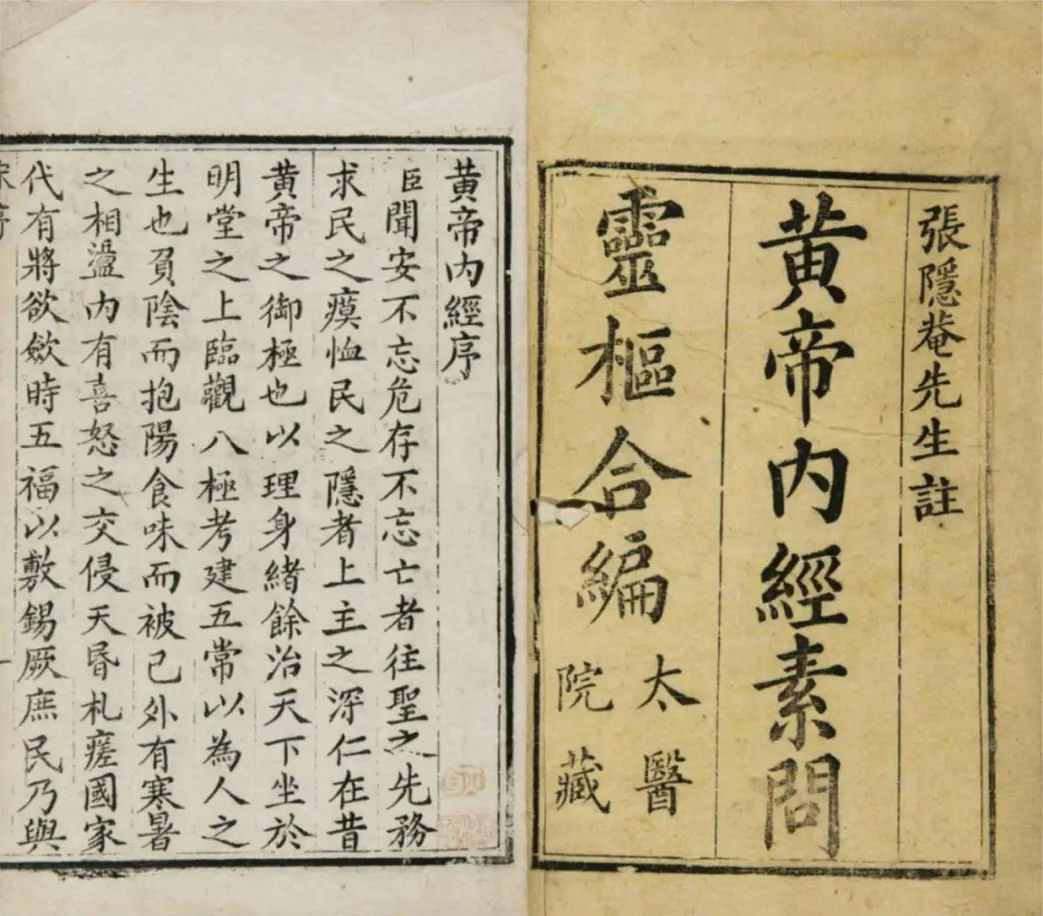
There’s this section in Chapter 9 of The Spiritual Axis (Ling Shu) from the classical medical treatise Inner Canons of the Yellow Emperor (Huangdi Neijing), which in canonical versions is often designated as Verse 27 that I love for many reasons.

Nine universally applicable precepts of healing can be extracted from Verse 27. The way they’re worded, you can interpret them through different lenses and they still hold true. The verse functions as axiomatic to acupuncture, and to both the ancient and the modern healthcare provider.

You can read it through the lens of how to ensure physical health, and also how to ensure mental, emotional health, and — as to the primary scope of work I operate in — to spiritual health.

If you’re looking at it as a road map for your own healing journey, it works. If you’re a healer of any stripe, these are nine clinical axioms for guiding patient care. You can look at these nine precepts as applied medical wisdom, or heuristics for clinical decision-making. They work as key tenets for helping a practitioner refine their diagnostic and therapeutic approaches.

And finally, in my view, these nine precepts can be instrumental to helping anyone set the foundation of their personal spiritual practice. It’s designed in such a way that you can account simultaneously for mundane physical health and hygiene tenets and for basic considerations in ritual or ceremonial magic.

Continue reading “On Preventive [Spiritual] Care: Nine Precepts of the Healer”

Chinese Shamanism Meets Taoism: The Hidden Link in 3,000 Years of Magic and Mysticism

Course Description

Let’s time travel and step into the mystical lineage of the Neolithic Wu 巫 shamans that laid the foundation for Taoist mysticism. This free public video lecture explores the birth of Taoist magic and the enduring legacy of Wu shamanism. We’ll decode Taoist occultism as it is practiced today to reveal the hidden history of how shamanism shaped the mystical practices of East Asia, preserving and refining early shamanistic techniques into a structured magical system, giving rise to Taoist mysticism.

Taoism is the enduring legacy of the Wu 巫, and how their oft-forgotten roots and history have shaped the modern practices of spirit mediums, Asian modalities of witchcraft, and Taoist ritual magic today. We’ll bridge the gap between the ancient traditions we’ve inherited from the Yellow River cradle of civilization and modern mystical practices, presented in a way rarely explored in the English language.

This is Taoist witchcraft decoded, in reclamation of the Wu 巫’s shamanic practices of the Tao 道.

Continue reading “Chinese Shamanism Meets Taoism: The Hidden Link in 3,000 Years of Magic and Mysticism”

My Recap of ConVocation 2025, Michigan

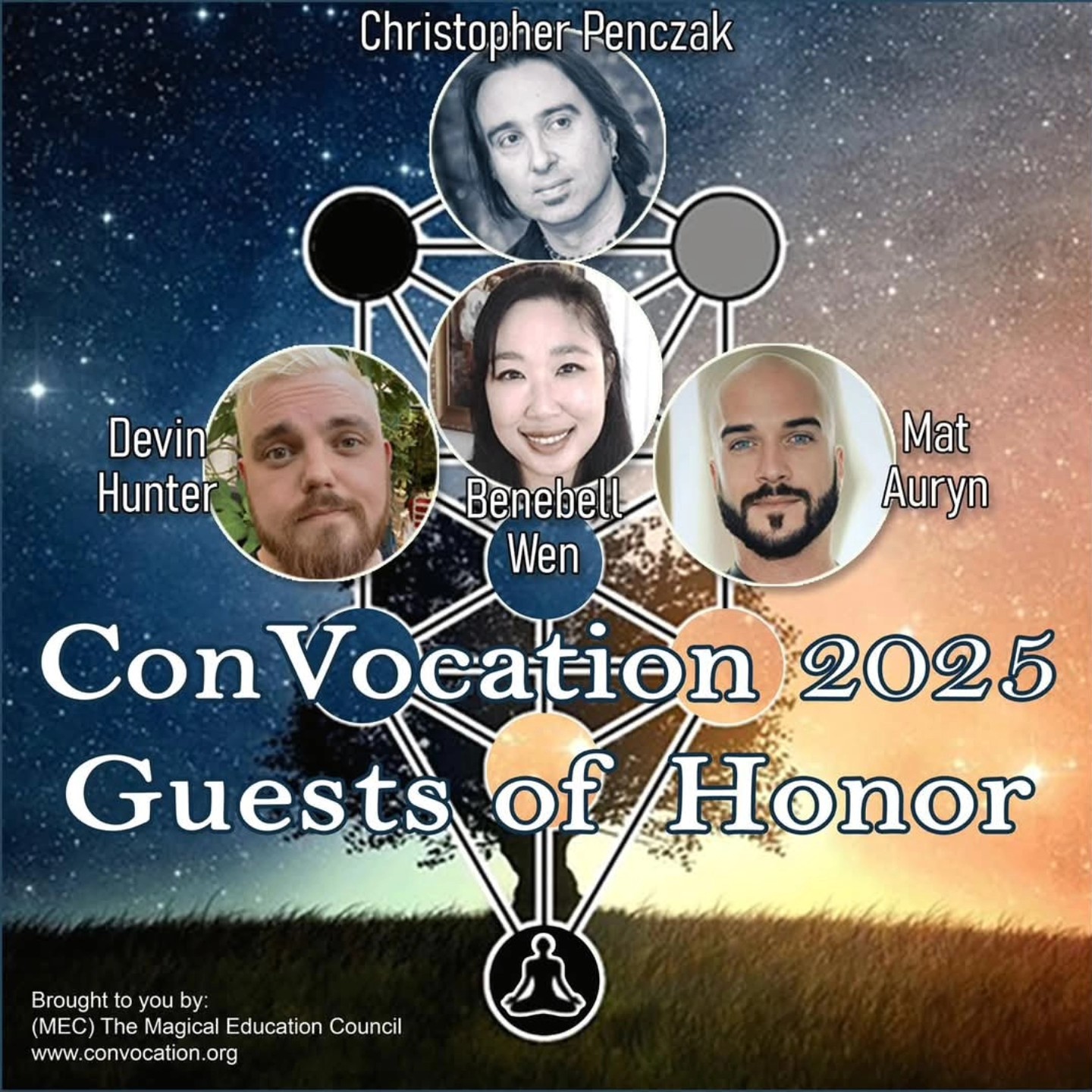
I was invited as a Guest of Honor Headliner to speak at this year’s ConVocation, and this is my recap of the event, as it was also my very first time (1) attending ConVocation and (2) attending a pagan event in the Midwest. ConVocation is a pagan conference that has been going strong in the Upper Midwest since 1995, and truly what sets it apart is how community-oriented it is.

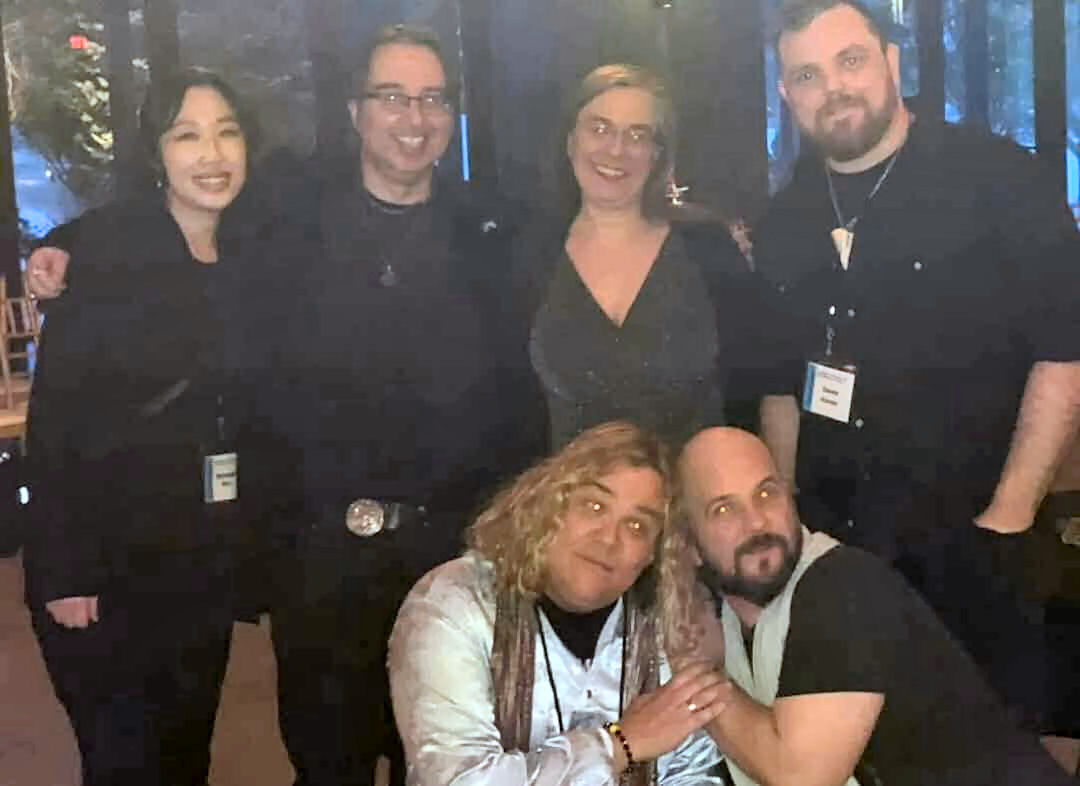
Photo via Barb Milburn Stenger of Celtic Readings (celticreadings.com)

My write-up is coming out a bit later than planned, as I had initially hoped to include some of the official event photos from David Loken-Rozian‘s 2025 ConVocation album onto his Flickr. Since the album isn’t available yet, I’ve decided to go ahead and post this recap, so apologies for lack of people pics. I don’t know why I always forget to take photos of people at events; I have a dozen photos of snow and trees, food, rocks, and clouds, but none of people. Argh.

In the meantime, if you’re interested in a visual highlight of the event, check out his Flickr Photostream later for his amazing photos once they’re up.

Continue reading “My Recap of ConVocation 2025, Michigan”

How Do We Reclaim Space? Challenging the Disproportionate Visibility of White Male Scholars in Indigenous Spiritual Practices

Whew that was kind of a long blog post title.

So here’s my conundrum. Recently I came across a highly visible, highly platformed video on Korean shamanism, by a white male academic. Don’t get me wrong– he did a fantastic job. It’s just that… a part of me does ask the question — why isn’t it an actual Korean shaman or mudang‘s video getting that level of visibility and exposure? Why is it when native practitioners talk about their traditions, their visibility and popularity is a small fraction of the view count that the white male academic gets?

Same goes for YouTube content on Taoism, inner alchemy, or esoteric Buddhism — the channels of white men garner the most visibility and occupy the top-ranking spaces. When it comes to educational content on Taoism and Buddhism, Western scholars overshadow the contributions of indigenous practitioners and Asian scholars. The imbalance has the impact of erasing lived experiences and native expertise, and all insights valued as authoritative are inevitably filtered through a white Western lens.

Worse yet, click into any of the lower-ranking videos on these subjects by native practitioners and skim through the comments section — you’ll find white men correcting the alleged inaccuracies of the native practitioners. Also, funny point — POCs can always spot the white dude in the comments section, irrespective of what profile photo or handle they use.

I call this a conundrum because I don’t have a clear solution — it’s a tension between inclusivity (welcoming all voices and perspectives on my lived tradition) and protecting marginalized voices (when the white male voice and perspective talks over the voice and perspective of the lived tradition). Notice how it’s always a white guy who says he knows the most authentic version of the tradition that is not even his to be authenticating, or how his interpretation of a sacred text that he’s appropriating is more accurate. He hijacks the culture and then positions himself as the expert.

At best, a POC is given secondary, lower-level credit for the purpose of validating the expertise of the white guy standing center stage. Not to mention, a POC voice is only platformed if they agree with the Eurocentric point of view. If a POC expert dare challenge established Western expertise — just watch what happens next.

Continue reading “How Do We Reclaim Space? Challenging the Disproportionate Visibility of White Male Scholars in Indigenous Spiritual Practices”